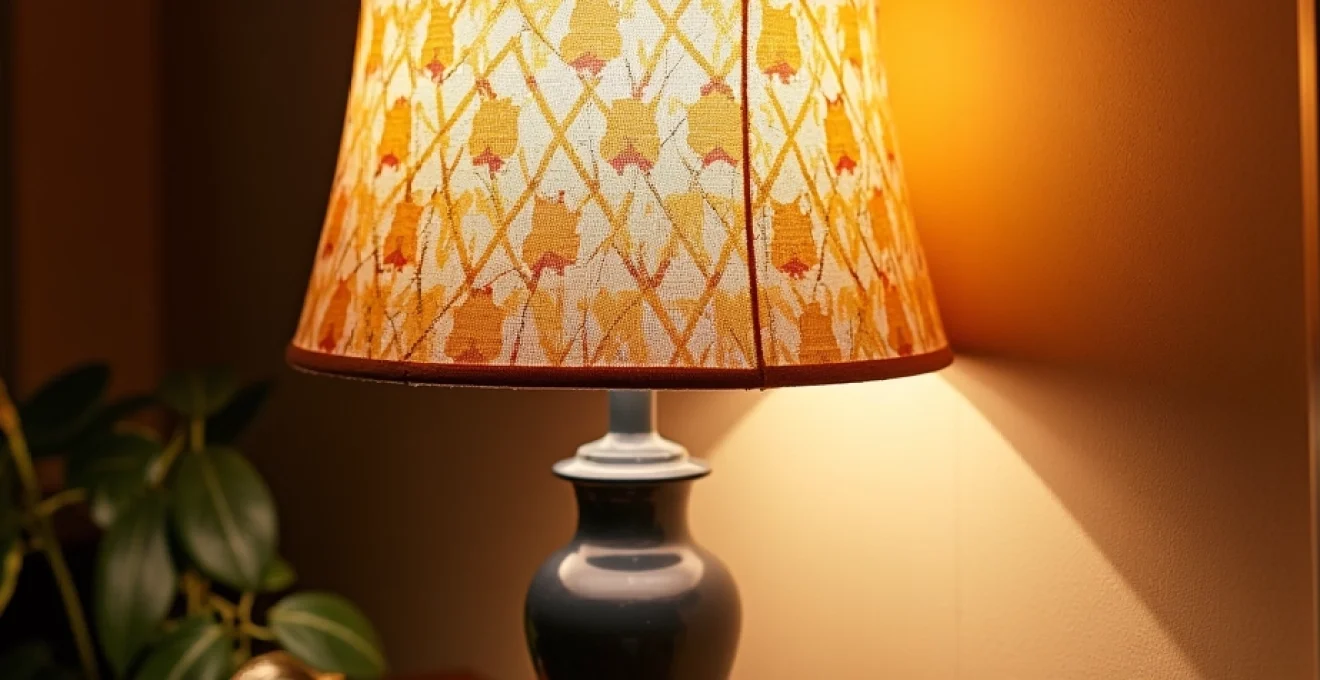
Lighting serves as the backbone of interior design, transforming spaces from mundane to magnificent through careful selection and placement. While base illumination provides functionality, patterned lampshades elevate ordinary fixtures into distinctive design statements that reflect personal taste and architectural sensibility. These decorative elements create visual intrigue through carefully orchestrated interplay between light, shadow, and artistic motifs, establishing focal points that anchor entire room compositions.
The resurgence of artisanal craftsmanship in contemporary interior design has positioned patterned lampshades as essential elements for creating layered, sophisticated lighting schemes. Beyond their practical function of diffusing harsh illumination, these decorative accessories serve as miniature canvases that introduce colour, texture, and artistic expression into living spaces. Modern homeowners increasingly recognise the transformative power of well-chosen patterns in establishing room character and reflecting individual aesthetic preferences.
Contemporary design trends emphasise the importance of personalisation in home environments, making patterned lampshades invaluable tools for achieving distinctive interior narratives. Whether incorporating subtle geometric motifs or bold botanical prints, these lighting accessories offer endless possibilities for customisation and artistic expression within residential and commercial spaces.
Pattern typography classifications in lampshade design
The world of patterned lampshades encompasses an extensive taxonomy of design classifications, each carrying distinct visual properties and historical significance. Understanding these pattern categories enables informed selection decisions that align with specific interior design objectives and aesthetic preferences. Pattern classification systems have evolved from traditional textile design principles, adapted specifically for translucent lighting applications where pattern visibility changes dramatically when illuminated.
Geometric motifs: hexagonal and triangular tessellations
Geometric patterns represent perhaps the most mathematically precise category of lampshade design, utilising repetitive shapes and forms to create visually compelling compositions. Hexagonal tessellations, inspired by natural honeycomb structures, offer organic appeal whilst maintaining precise geometric order. These patterns work exceptionally well in contemporary and minimalist interior schemes, providing visual interest without overwhelming surrounding design elements.
Triangular tessellations create dynamic visual movement through angular repetition and directional emphasis. The sharp angles inherent in triangular patterns generate striking shadow play when illuminated, projecting fascinating geometric forms onto surrounding surfaces. These patterns particularly complement mid-century modern and industrial design aesthetics, where clean lines and geometric precision dominate spatial compositions.
Botanical patterns: william morris inspired florals and art nouveau elements
Botanical patterns draw inspiration from nature’s infinite variety of plant forms, flowers, and organic structures. William Morris-inspired designs emphasise stylised natural motifs with intricate detail and sophisticated colour palettes. These patterns typically feature flowing vine work, detailed leaf structures, and carefully balanced floral compositions that create sense of movement and organic growth.
Art Nouveau influences bring fluid, curvilinear elements that emphasise natural asymmetry and organic flow. These patterns work beautifully in traditional and transitional interior schemes, adding softness and natural warmth to lighting installations. The translucent quality of fabric lampshades allows botanical patterns to create subtle, shadow-rich environments that enhance room ambiance through gentle light diffusion.
Abstract expressionist prints: jackson pollock and kandinsky influences
Abstract patterns liberate lampshade design from representational constraints, enabling pure artistic expression through colour, form, and compositional relationships. Jackson Pollock-inspired splatter patterns introduce controlled chaos and dynamic energy, creating lampshades that serve as functional art pieces. These designs work particularly well in contemporary and eclectic interior schemes where artistic expression takes precedence over traditional decorative conventions.
Kandinsky-influenced geometric abstractions combine colour theory principles with sophisticated compositional arrangements. These patterns often incorporate colour gradations, overlapping shapes, and complex layering effects that create depth and visual complexity. When illuminated, abstract patterns generate unpredictable and fascinating shadow patterns that continually change throughout daily lighting cycles.
Traditional toile de jouy and chinoiserie pattern applications
Traditional pattern applications bring historical authenticity and cultural richness to contemporary lighting design. Toile de Jouy patterns, characterised by monochromatic narrative scenes printed on light-coloured backgrounds, offer sophisticated elegance suitable for formal and traditional interior schemes. These patterns typically feature pastoral scenes, historical vignettes, or architectural elements rendered in single-colour printing techniques.
Chinoiserie patterns incorporate Eastern aesthetic principles through stylised representations of Asian flora, fauna, and architectural elements. These designs often feature delicate bird motifs, bamboo structures, and oriental landscape elements rendered in sophisticated colour combinations. Traditional patterns provide excellent opportunities for creating historically-informed interior narratives that connect contemporary spaces with design heritage and cultural traditions.
Chromatic psychology in patterned lighting solutions
Colour psychology plays a fundamental role in determining the emotional and physiological impact of patterned lampshades within interior environments. The chromatic choices embedded within pattern designs directly influence room atmosphere, occupant mood, and spatial perception. Research indicates that colour temperature variations can affect circadian rhythms, productivity levels, and overall psychological well-being, making colour selection crucial for successful lighting design implementations.
Warm spectrum patterns: amber and terracotta colour temperature effects
Warm spectrum colours create inviting, comfortable environments that encourage relaxation and social interaction. Amber-toned patterns generate cosy atmospheres particularly suited to residential living spaces, bedrooms, and intimate dining areas. These colours filter through fabric substrates to produce golden illumination that complements natural wood tones, bronze fixtures, and earth-based colour schemes.
Terracotta patterns introduce Mediterranean warmth and sophisticated earthiness to interior lighting schemes. These colours work exceptionally well in rustic, southwestern, and bohemian design contexts, creating rich, welcoming environments that celebrate natural material aesthetics. Terracotta patterns often incorporate complementary warm tones that enhance the overall colour harmony within residential and hospitality environments.
Cool palette integration: prussian blue and sage green light diffusion
Cool colour palettes generate calming, focused environments suitable for work spaces, study areas, and contemporary residential applications. Prussian blue patterns create sophisticated, nautical-inspired atmospheres that complement metallic fixtures and modern architectural elements. These deep blue tones filter artificial illumination to produce serene, contemplative lighting environments that support concentration and mental clarity.
Sage green patterns bring natural tranquillity and botanical freshness to interior lighting applications. These colours work particularly well in spa-like environments, bedrooms, and spaces designed for relaxation and rejuvenation. Sage green filtering creates gentle, nature-inspired illumination that complements organic textures, natural materials, and biophilic design principles increasingly popular in contemporary interior design.
Monochromatic pattern schemes: pantone colour matching systems
Monochromatic pattern approaches utilise single-colour variations to create sophisticated, harmonious lighting solutions. Pantone colour matching systems enable precise colour coordination between lampshades and surrounding interior elements, ensuring professional-quality colour harmony throughout design installations. Monochromatic schemes offer versatility and timeless appeal whilst maintaining visual interest through pattern variation and tonal gradation.
These approaches work exceptionally well in minimalist and contemporary interior schemes where colour restraint and sophisticated simplicity dominate design objectives. Monochromatic patterns allow texture and form to assume primary visual importance whilst maintaining cohesive colour narratives that unify spatial compositions and architectural elements.
Contrast ratios in black and white pattern applications
High-contrast black and white patterns create dramatic visual impact whilst offering maximum design versatility. These achromatic schemes complement virtually any colour palette whilst generating striking shadow patterns that enhance architectural features and spatial definition. Black and white applications work particularly well in contemporary, transitional, and eclectic interior schemes where bold graphic elements support overall design narratives.
Contrast ratios must be carefully considered to ensure appropriate illumination levels whilst maintaining pattern visibility. Optimal contrast ratios typically range from 3:1 to 7:1, depending upon intended lighting function and surrounding environmental conditions. These technical considerations ensure that black and white patterns provide both aesthetic appeal and functional illumination suitable for specific spatial requirements.
Fabric substrate technologies for pattern reproduction
Modern fabric technologies have revolutionised pattern reproduction capabilities for lampshade applications, enabling unprecedented detail resolution and colour accuracy in textile printing processes. Advanced substrate materials now accommodate complex pattern designs whilst maintaining necessary light transmission properties essential for effective illumination. Contemporary fabric technologies utilise synthetic and natural fibre combinations optimised for both aesthetic performance and functional durability requirements.
Digital printing technologies enable custom pattern reproduction with photographic quality and unlimited colour possibilities. These processes accommodate small-batch production runs, making custom patterned lampshades accessible for residential and commercial applications. High-resolution digital printing supports intricate pattern details previously impossible with traditional screen printing or block printing methodologies, opening new creative possibilities for designers and homeowners alike.
Substrate durability considerations include fade resistance, heat tolerance, and structural integrity under continuous illumination conditions. Modern synthetic fabrics incorporate UV-resistant treatments and colour-fast dyes that maintain pattern clarity and colour accuracy throughout extended use periods. Natural fabrics receive similar protective treatments whilst preserving their inherent texture and light diffusion characteristics essential for quality lampshade performance.
Advanced fabric technologies now enable pattern reproduction with unprecedented detail and colour accuracy whilst maintaining optimal light transmission properties for effective illumination performance.
Eco-friendly substrate options increasingly incorporate recycled materials and sustainable manufacturing processes to address environmental concerns. These materials maintain performance standards whilst reducing ecological impact through responsible sourcing and production methodologies. Sustainable options include organic cotton, recycled polyester blends, and innovative bio-based synthetic materials that offer excellent pattern reproduction capabilities.
Architectural integration techniques for patterned illumination
Successful architectural integration of patterned lampshades requires careful consideration of spatial relationships, scale proportions, and lighting function within broader design contexts. Pattern selection must complement existing architectural features whilst enhancing rather than competing with structural elements and decorative details. Integration techniques vary significantly between residential and commercial applications, each requiring specific approaches to achieve optimal aesthetic and functional outcomes.
Scale relationships between patterns and architectural elements determine visual harmony and spatial coherence within interior environments. Large-scale patterns work effectively in spacious rooms with high ceilings and substantial furniture pieces, whilst small-scale patterns suit intimate spaces and detailed architectural features. Pattern orientation must align with room proportions and primary visual axes to create balanced compositions that enhance rather than disrupt spatial flow.
Lighting layer integration involves coordinating patterned lampshades with ambient, task, and accent lighting systems to create comprehensive illumination schemes. Patterned elements typically function as decorative accent lighting within broader lighting hierarchies, providing visual interest and atmospheric enhancement rather than primary illumination. Successful integration balances functional requirements with aesthetic objectives through careful planning and professional design coordination.
Colour coordination between patterned lampshades and architectural finishes requires systematic approach to ensure visual harmony throughout interior environments. Pattern colours should either complement existing colour schemes through analogous relationships or provide calculated contrast through strategic colour theory applications. Professional colour matching services ensure accurate coordination between textile patterns and architectural elements, particularly important in commercial and high-end residential applications.
Successful architectural integration requires systematic coordination between pattern selection, scale relationships, and existing colour schemes to achieve professional-quality design outcomes.
Installation considerations include electrical requirements, structural support systems, and maintenance access for patterned lighting fixtures. Complex pattern applications may require specialised mounting hardware and professional installation to ensure safety and optimal performance. Planning phases should address long-term maintenance requirements and replacement procedures to preserve design integrity throughout extended use periods.
Artisanal lampshade crafting methods and pattern application
Traditional crafting methodologies continue to influence contemporary patterned lampshade production, with artisanal techniques offering unique aesthetic qualities impossible to achieve through industrial manufacturing processes. Hand-crafted approaches enable customisation levels and artistic expression that appeal to discerning clients seeking distinctive lighting solutions. These methods typically involve longer production timeframes but deliver superior quality and individual character that distinguishes custom work from mass-produced alternatives.
Hand-block printing techniques using linoleum and wood blocks
Hand-block printing represents one of the oldest and most authentic methods for creating patterned textiles suitable for lampshade applications. Linoleum block printing offers accessible entry point for custom pattern creation whilst maintaining professional quality results. The process involves carving pattern designs into linoleum surfaces, applying textile inks, and manually pressing designs onto fabric substrates to create repeated motifs with subtle variation inherent in hand-crafted processes.
Wood block printing provides superior durability and finer detail resolution compared to linoleum alternatives. Traditional hardwoods like cherry, maple, and boxwood offer excellent carving properties and long-term durability for repeated use. Wood blocks accommodate intricate pattern details and multiple colour applications through registration techniques that align separate blocks for complex multi-colour designs.
Screen printing methodologies for fabric lampshades
Screen printing technologies offer excellent balance between artisanal quality and production efficiency for patterned lampshade creation. This methodology accommodates both simple and complex pattern designs whilst maintaining consistent quality across multiple pieces. Screen printing works particularly well for geometric patterns and designs requiring precise registration and consistent colour application.
Multi-colour screen printing enables sophisticated pattern development through layered colour applications and gradient effects. Professional screen printing equipment supports fine mesh screens capable of reproducing detailed pattern elements whilst maintaining adequate ink opacity for effective light diffusion. Custom screen development accommodates unique pattern designs created specifically for individual projects and design requirements.
Digital transfer processes: sublimation and heat press applications
Modern digital transfer technologies revolutionise custom pattern application through direct printing onto transfer materials subsequently applied to fabric substrates. Sublimation printing offers permanent colour integration that becomes part of fabric structure rather than surface coating, ensuring durability and fade resistance under continuous illumination conditions. These processes accommodate photographic quality reproduction and unlimited colour possibilities previously impossible with traditional printing methods.
Heat press applications provide precise temperature and pressure control essential for successful transfer adhesion and colour development. Digital workflows enable rapid prototyping and design iteration, making custom patterned lampshades accessible for small-scale projects and individual commissions. Quality control measures ensure consistent results and professional finish quality suitable for high-end residential and commercial applications.
Appliqué and embroidery pattern enhancement methods
Three-dimensional pattern enhancement techniques add textural interest and tactile appeal to patterned lampshade designs. Appliqué methods involve attaching shaped fabric pieces to base substrates, creating layered compositions with depth and shadow variation. These techniques work particularly well for botanical patterns where dimensional leaves and flowers enhance realistic appearance and light interaction.
Machine embroidery capabilities now include sophisticated pattern programming and automatic colour changing for complex multi-colour designs. Embroidery enhancement adds premium quality appearance and tactile interest that distinguishes custom work from printed alternatives. Thread selection impacts both aesthetic appearance and durability, with synthetic threads offering superior colour fastness and natural fibres providing authentic texture and light diffusion characteristics.
Pattern scale proportioning for optimal visual impact
Pattern scale selection represents one of the most critical decisions in patterned lampshade design, directly impacting visual effectiveness and spatial integration within interior environments. Appropriate scaling ensures patterns remain visible and aesthetically pleasing when viewed from typical room distances whilst maintaining harmony with surrounding design elements. Scale relationships must account for lampshade dimensions, room size, viewing distances, and intended lighting functions to achieve optimal visual impact.
Mathematical proportioning systems provide structured approaches to pattern scaling based on classical design principles and contemporary spatial analysis. Golden ratio applications create naturally pleasing scale relationships that align with human visual perception preferences. These proportioning systems work particularly well for geometric patterns where mathematical precision enhances overall aesthetic appeal and visual harmony within architectural contexts.
| Room Size | Optimal Pattern Scale | Viewing Distance | Recommended Approach |
|---|---|---|---|
| Small (under 150 sq ft) | Fine to Medium | 3-6 feet | Delicate patterns with high detail |
| Medium (150-300 sq ft) | Medium | 6-10 feet | Balanced scale with moderate repetition |
| Large (over 300 sq ft) | Medium to Bold | 10+ feet | Larger motifs with strong visual presence |
Pattern density considerations involve balancing visual interest with light transmission requirements essential for functional illumination. Dense patterns may restrict light output whilst sparse patterns might appear weak or ineffective when illuminated. Optimal pattern density typically ranges from 60-80% coverage, allowing adequate light transmission whilst maintaining strong visual presence and aesthetic appeal.
Repetition intervals within pattern designs affect visual rhythm and eye movement throughout room spaces. Patterns with tight repetition intervals create active, energetic visual effects suitable for accent lighting applications, whilst wider intervals generate calmer, more contemplative atmospheres. Understanding these relationships enables designers to select appropriate pattern scales that support specific environmental objectives and user experience requirements.
Testing methodologies for pattern scale effectiveness include mock-up installations and digital visualisation tools that simulate actual viewing conditions. These evaluation processes help identify optimal scale relationships before final production commitments, reducing costly modifications and ensuring successful design outcomes. Professional lighting designers often utilise scaled cardboard templates and projection systems to evaluate pattern effectiveness within specific spatial contexts.
Pattern scale selection must balance visual impact with light transmission requirements whilst considering viewing distances and spatial relationships to achieve optimal aesthetic and functional performance.
Adjustments for different lampshade shapes require modified scaling approaches since pattern visibility changes dramatically between cylindrical, conical, and empire silhouettes. Drum-shaped lampshades display patterns uniformly around their circumference, whilst tapered forms create visual compression at narrow sections and expansion at wider areas. These geometric considerations directly impact pattern legibility and overall aesthetic effectiveness, requiring careful scale calibration for each specific application.
Lighting intensity variations throughout daily cycles affect pattern visibility and impact, with daylight conditions rendering subtle patterns nearly invisible whilst evening artificial illumination emphasises pattern details and shadow effects. Successful pattern scaling accounts for these temporal variations, ensuring patterns remain effective across different lighting scenarios and usage patterns typical in residential and commercial environments.
Multi-pattern coordination within single rooms requires systematic scale relationships to prevent visual competition and maintain design harmony. Primary patterns should dominate through larger scale applications, whilst secondary patterns utilise smaller scales to provide visual support without overwhelming spatial compositions. These hierarchical approaches create sophisticated layering effects that enhance overall design sophistication whilst maintaining functional lighting performance throughout interior environments.