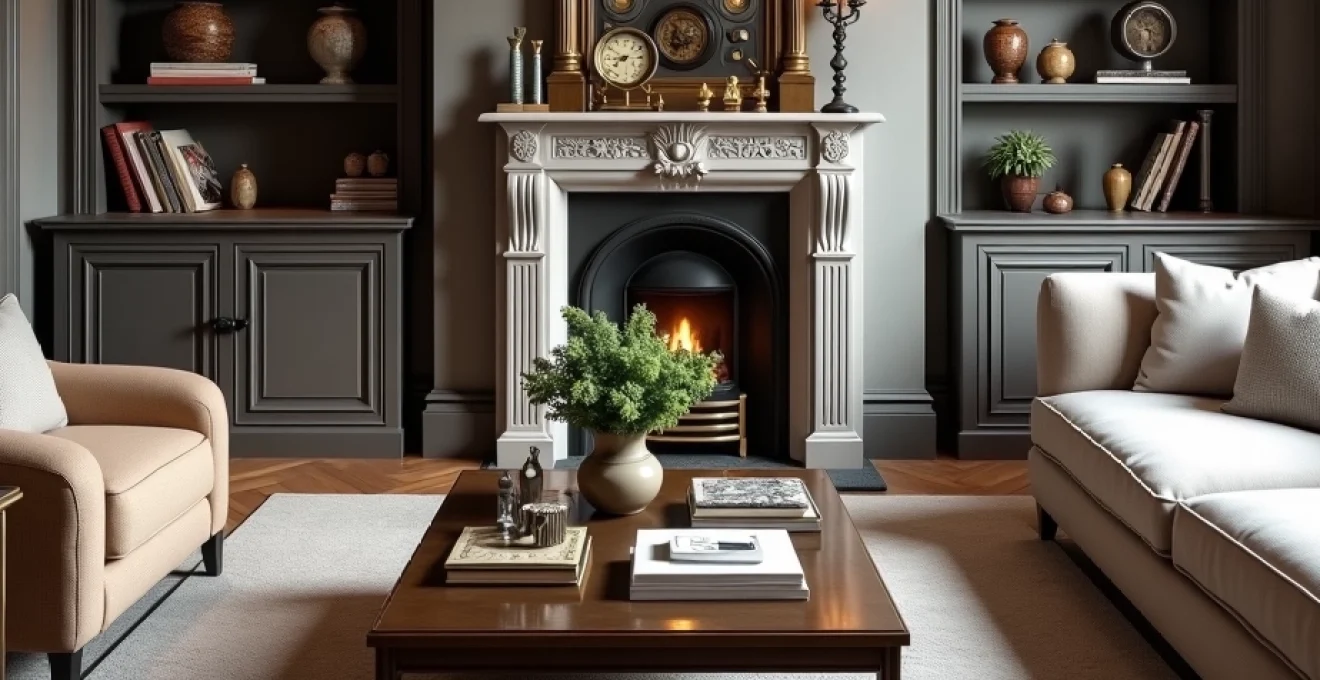
Original clocks possess an extraordinary ability to transform ordinary spaces into captivating environments that tell stories beyond mere timekeeping. Whether you’re drawn to the intricate craftsmanship of antique timepieces or the bold statement of contemporary designs, these functional art pieces serve as powerful focal points that anchor entire rooms. The strategic placement and thoughtful integration of original clocks can elevate your home’s aesthetic appeal whilst creating visual interest that guests remember long after their visit. From towering grandfather clocks that command attention in grand hallways to delicate mantel timepieces that add sophistication to intimate spaces, each clock brings its own character and charm to interior design schemes.
Antique mantel clock positioning strategies for maximum visual impact
The placement of antique mantel clocks requires careful consideration of both visual balance and functional accessibility. These treasured timepieces work best when positioned at eye level, allowing their intricate details and craftsmanship to be fully appreciated. The traditional mantelpiece remains the most popular location, but modern homes offer numerous alternative surfaces that can showcase these elegant pieces effectively.
Console tables, floating shelves, and built-in bookcases provide excellent platforms for antique mantel clocks, particularly when you consider the surrounding décor elements. The key lies in creating visual weight distribution that feels natural and unforced. A well-positioned clock should complement nearby artwork, decorative objects, and lighting fixtures without competing for attention.
French regulator clock placement above fireplaces and console tables
French regulator clocks, with their distinctive pendulum movements and precise timekeeping mechanisms, create dramatic focal points when positioned above fireplaces. The vertical lines of these timepieces naturally complement the architectural elements of traditional fireplace surrounds, whilst their sophisticated brass and wood finishes harmonise beautifully with period features.
When mounting a French regulator above a console table, ensure adequate clearance between the clock and any decorative items below. This breathing space prevents the arrangement from appearing cluttered whilst allowing the clock’s elegant proportions to be fully appreciated. The rhythmic swing of the pendulum becomes a mesmerising feature that draws the eye upward.
Victorian bracket clock integration with period furniture arrangements
Victorian bracket clocks, characterised by their ornate cases and chiming mechanisms, require thoughtful integration with period furniture to achieve authentic historical styling. These substantial timepieces work particularly well on mahogany or walnut side tables, where their rich finishes complement the wood tones of surrounding furniture pieces.
The positioning should consider both the clock’s acoustic properties and visual impact. Victorian bracket clocks often feature elaborate chiming sequences that benefit from open spaces around them, allowing the sound to resonate naturally throughout the room. Pairing these clocks with period-appropriate candelabras, porcelain figurines, or leather-bound books creates cohesive vignettes that transport viewers to another era.
German cuckoo clock wall mounting techniques for optimal room balance
German cuckoo clocks present unique mounting challenges due to their distinctive architectural features and mechanical requirements. These charming timepieces, with their carved wooden cases and animated bird mechanisms, function as both functional timekeepers and conversation starters that inject personality into living spaces.
The optimal mounting height for cuckoo clocks typically ranges between 6-8 feet from the floor, ensuring the intricate carvings remain visible whilst allowing the cuckoo mechanism adequate clearance. Wall studs provide essential support for these substantial pieces, and the mounting location should consider the clock’s daily winding requirements and the path of the hanging weights.
Art deco sunburst clock coordination with contemporary interior schemes
Art Deco sunburst clocks, with their radiating metal spokes and geometric patterns, bridge the gap between vintage appeal and modern aesthetics. These statement pieces work exceptionally well in contemporary interiors where their bold designs can shine without competing with ornate traditional elements.
The coordination with contemporary furnishings requires attention to colour palettes and material finishes. Brass sunburst clocks complement warm metal accents found in modern lighting fixtures and hardware, whilst chrome or steel versions harmonise with cooler contemporary colour schemes. The key lies in treating the sunburst clock as the room’s jewellery piece, allowing its dramatic form to serve as the primary decorative element on the chosen wall.
Statement wall clock design integration with architectural elements
Large statement wall clocks possess the remarkable ability to interact with and enhance existing architectural features within your home. These oversized timepieces function as architectural elements themselves, capable of defining spaces, creating visual anchors, and establishing design themes that influence entire room schemes. The successful integration of statement clocks requires understanding how their scale, materials, and positioning relate to structural elements such as columns, archways, and ceiling heights.
The relationship between statement clocks and architectural features extends beyond simple decoration to encompass spatial planning and flow. A well-chosen oversized timepiece can visually expand smaller rooms through strategic positioning, whilst in larger spaces, these clocks provide necessary visual weight to prevent areas from feeling empty or undefined. Consider how the clock’s proportions relate to ceiling heights, door frames, and window placements when determining optimal positioning.
Oversized railway station clock installation on feature walls
Railway station clocks, with their bold numerals and industrial heritage, create commanding focal points on feature walls throughout contemporary homes. These substantial timepieces, often measuring 60 inches or more in diameter, require careful planning regarding both structural support and visual impact within the surrounding space.
The installation process involves identifying wall studs capable of supporting significant weight, typically requiring multiple mounting points distributed across the clock’s frame. Feature walls painted in contrasting colours enhance the clock’s visibility whilst creating dramatic backdrops that emphasise the timepiece’s impressive scale. Consider the viewing angles from different areas of the room to ensure optimal positioning.
Industrial gear clock mounting systems for exposed brick surfaces
Industrial gear clocks complement exposed brick surfaces beautifully, creating authentic urban loft aesthetics that celebrate both materials and mechanical artistry. The mounting process for these substantial timepieces requires specialised hardware designed to penetrate masonry whilst providing secure support for the clock’s considerable weight.
Masonry anchors and toggle bolts specifically rated for brick applications ensure long-term stability for gear clocks, which often feature moving parts that create additional stress on mounting systems. The natural texture of exposed brick provides an ideal backdrop for the mechanical complexity of gear movements, whilst the colour variations in aged brick complement the patinated metal finishes common in industrial timepieces.
Mid-century atomic clock positioning near picture windows
Mid-century atomic clocks, characterised by their starburst designs and sleek profiles, benefit from positioning near picture windows where natural light can highlight their sculptural qualities. These timepieces, reminiscent of the space age optimism of the 1950s and 1960s, create striking silhouettes against bright window backgrounds during daylight hours.
The positioning should consider both natural light patterns and the clock’s relationship to outdoor views. Atomic clocks positioned adjacent to picture windows can frame scenic vistas whilst adding interior interest that complements rather than competes with exterior focal points. Evening lighting transforms these same arrangements, with interior illumination creating dramatic shadows and highlighting the clock’s distinctive radiating elements.
Minimalist pendulum clock alignment with Built-In shelving units
Minimalist pendulum clocks require careful alignment with built-in shelving systems to maintain the clean lines and uncluttered aesthetics essential to contemporary design schemes. These understated timepieces work best when their positioning creates visual harmony with existing horizontal and vertical elements within custom millwork installations.
The alignment process involves considering sight lines, proportional relationships, and the pendulum’s swing requirements when determining optimal placement. Minimalist pendulum clocks positioned within or adjacent to built-in shelving benefit from negative space around them, allowing their simple forms to provide visual rest points within more complex arrangements of books, artwork, and decorative objects.
Grandfather clock floor positioning for optimal acoustic and visual performance
Grandfather clocks represent the ultimate marriage of functional timekeeping and architectural presence, demanding careful consideration of both acoustic properties and visual impact when determining floor positioning. These magnificent timepieces, often standing 6-8 feet tall, serve as vertical design elements that can dramatically alter room proportions whilst filling spaces with their distinctive chiming melodies and rhythmic pendulum movements.
The positioning strategy must account for multiple factors including floor stability, acoustic resonance, visual sight lines, and daily maintenance requirements. Hardwood floors provide optimal resonance for chiming mechanisms, allowing the sound to carry naturally throughout adjacent rooms, whilst carpeted areas may dampen the acoustic experience. Consider traffic patterns around the clock to ensure adequate clearance for both the timepiece’s operations and household movement.
The strategic placement of a grandfather clock can transform an ordinary hallway into a grand passageway that speaks to the home’s character and the owner’s appreciation for traditional craftsmanship.
Visual positioning requires understanding how the clock’s substantial vertical presence relates to surrounding furnishings and architectural features. Corner placements often work well in formal dining rooms or living areas, where the clock can anchor seating arrangements whilst remaining easily accessible for winding. Hallway installations create dramatic first impressions for guests whilst utilising otherwise underutilised vertical space effectively.
The acoustic performance of grandfather clocks varies significantly based on room size, ceiling height, and surface materials. Rooms with high ceilings and hard surfaces amplify chiming sequences, creating rich, reverberant tones that enhance the timepiece’s presence. Conversely, rooms with soft furnishings and lower ceilings produce more intimate acoustic experiences that suit quiet reading areas or bedrooms where gentler chiming is preferable.
Multi-clock gallery wall curation techniques using diverse timepiece styles
Creating gallery walls featuring multiple timepieces requires sophisticated curatorial skills that balance visual harmony with the unique characteristics of different clock styles and periods. This approach transforms timekeeping from a singular functional element into a comprehensive design statement that celebrates horology whilst creating compelling wall compositions. The key lies in understanding how various clock faces, materials, and proportions interact when viewed as a collective arrangement.
Successful multi-clock galleries typically feature 3-7 timepieces arranged in asymmetrical compositions that create visual movement whilst maintaining overall balance. Begin by selecting a dominant anchor piece—perhaps a substantial mid-century starburst clock or an ornate Victorian timepiece—then build the composition around this central element using smaller complementary clocks that share colour palettes, materials, or stylistic elements.
The spacing between individual clocks should allow each piece to maintain its distinct identity whilst contributing to the overall composition. Generally, 6-12 inches between clock edges provides adequate visual separation, though this can vary based on the sizes and styles of individual pieces. Consider creating visual triangles within the arrangement, using the rule of thirds to position key elements and maintain dynamic tension throughout the composition.
A thoughtfully curated clock gallery wall transforms the simple act of checking time into an appreciation of design history, craftsmanship, and the evolution of timekeeping aesthetics.
Material coordination plays a crucial role in unifying diverse timepiece styles within gallery arrangements. Brass elements can tie together Victorian bracket clocks with Art Deco sunburst designs, whilst shared wood tones connect rustic cuckoo clocks with sleek Scandinavian timepieces. The matting and framing of smaller clock faces should complement rather than compete with the various finishes present in the collection.
Lighting considerations become particularly important in multi-clock galleries where varying surface textures and reflective materials require balanced illumination. Picture lights or track lighting systems allow individual adjustment for each timepiece, ensuring optimal visibility whilst minimising glare on glass faces and polished metal surfaces. The goal is creating even illumination that reveals details without creating harsh shadows or reflections.
Lighting design coordination with illuminated clock faces and movements
The intersection of lighting design and clock illumination creates opportunities for dramatic interior effects that enhance both timekeeping functionality and decorative impact. Modern LED technology enables creative approaches to highlighting clock faces, movements, and surrounding spaces in ways that were previously impractical or energy-prohibitive. Strategic lighting coordination can transform timepieces from daytime focal points into evening showstoppers that anchor room atmospheres.
Understanding the interplay between ambient room lighting and direct clock illumination prevents competing light sources that diminish both elements’ effectiveness. The colour temperature of lighting systems should complement the clock’s materials and finishes—warmer light (2700K-3000K) enhances brass and wood elements whilst cooler temperatures (3500K-4000K) highlight steel, chrome, and contemporary materials more effectively.
LED backlighting systems for skeleton movement display clocks
Skeleton movement clocks, which expose their intricate mechanical workings through transparent faces or open cases, benefit tremendously from carefully designed LED backlighting systems. These illumination schemes transform the timepiece into kinetic sculpture, highlighting the mesmerising movement of gears, springs, and escapement mechanisms whilst creating dramatic visual effects during evening hours.
The positioning of LED strips requires precise planning to ensure even illumination without creating hot spots or shadows that obscure mechanical details. Warm white LEDs (2700K-3000K) typically provide the most flattering illumination for brass and steel components, whilst RGB systems offer colour-changing capabilities that can adapt to different room moods or seasonal decorating schemes.
Ambient lighting placement around stained glass clock panels
Stained glass clock panels, whether original antique pieces or contemporary artistic interpretations, require specialised lighting approaches that reveal their full chromatic beauty whilst maintaining readability. The translucent nature of stained glass transforms these timepieces into luminous art pieces when properly illuminated from behind or alongside.
Placement considerations must account for the directional nature of stained glass lighting effects, ensuring that coloured light patterns enhance rather than interfere with room functionality. LED strip lighting concealed behind or within clock cases provides consistent, controllable illumination that brings stained glass elements to life without overwhelming surrounding décor elements.
Task lighting integration with roman numeral clock faces
Roman numeral clock faces, with their classical elegance and varying legibility challenges, benefit from integrated task lighting solutions that enhance readability whilst contributing to overall room illumination. These timepieces often feature raised numerals or intricate detailing that creates shadows, requiring carefully angled light sources to ensure optimal visibility throughout different times of day.
Adjustable spotlights or picture lights positioned above or to the sides of Roman numeral clocks can eliminate shadowing whilst highlighting the dimensional quality of raised numbers and decorative elements. The lighting angle should be adjusted to minimise glare on clock faces whilst providing sufficient illumination for comfortable time reading from typical viewing distances.
Period-specific clock styling within historical home architecture
Historical home architecture provides unique opportunities and challenges for integrating period-appropriate timepieces that enhance rather than compete with existing architectural elements. The successful styling of clocks within historical contexts requires deep understanding of both the home’s architectural period and the corresponding horological traditions that would have been contemporaneous with the building’s construction era.
Colonial-era homes, with their symmetrical facades and formal interior layouts, complement tall case clocks and simple wall timepieces that reflect the period’s emphasis on functionality over ornamentation. The placement should respect the home’s original traffic patterns and room functions, positioning timepieces where they would have served practical purposes for the original inhabitants whilst maintaining visual harmony with period-appropriate furnishings and colour schemes.
Victorian architecture, characterised by elaborate decorative elements and rich material palettes, provides ideal settings for ornate bracket clocks, elaborate mantel timepieces, and carved wooden cuckoo clocks that match the period’s love of craftsmanship and detail. The positioning strategy should complement the home’s existing architectural ornament whilst avoiding visual competition between decorative elements.
Arts and Crafts homes, with their emphasis on natural materials and handcrafted details, pair beautifully with mission-style clocks featuring quartersawn oak cases and simple, honest construction techniques. These timepieces should be positioned to complement built-in cabinetry and architectural millwork, creating cohesive environments that celebrate the movement’s design philosophy.
Art Deco homes provide perfect backdrops for geometric timepieces featuring bold lines, metallic finishes, and stylised numerals that echo the architectural movement’s machine-age aesthetic. The positioning should emphasise the clocks’ sculptural qualities whilst maintaining the clean, streamlined appearance characteristic of the period’s interior design principles.