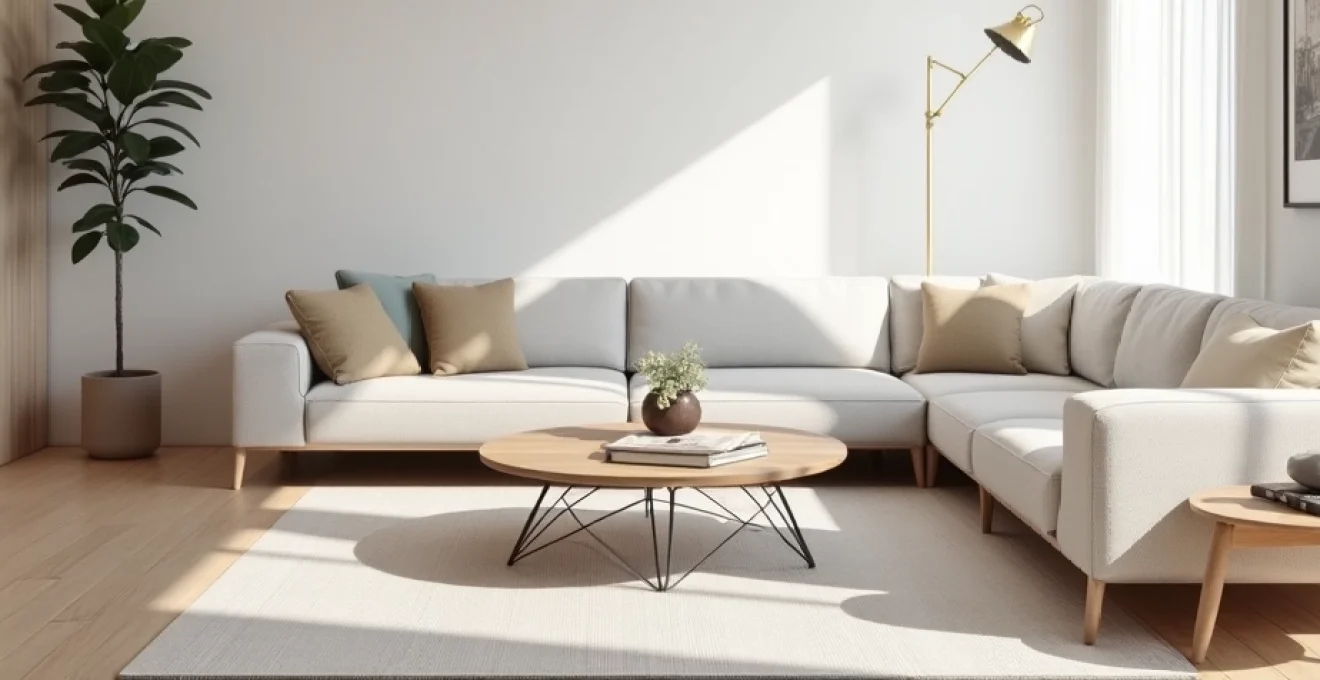
The pursuit of tranquillity within domestic environments has become increasingly critical as modern life grows more complex and overwhelming. Minimalist interior design emerges as a sophisticated response to this challenge, offering a methodical approach to creating spaces that actively promote mental clarity and emotional wellbeing. Far from merely aesthetic preference, this design philosophy operates on profound psychological principles that directly influence how occupants experience and interact with their living environments.
The effectiveness of minimalist design lies in its ability to reduce cognitive burden whilst simultaneously enhancing spatial functionality. Research in environmental psychology demonstrates that cluttered environments increase cortisol levels and impair decision-making capacity, while thoughtfully curated spaces promote restorative experiences. This understanding transforms minimalism from a stylistic choice into a strategic approach to domestic wellness, where every element serves both practical and psychological purposes.
Contemporary minimalist design extends beyond the stark, austere interpretations of previous decades, embracing warmth through natural materials, textural variety, and carefully considered colour palettes. This evolution reflects a deeper understanding of how humans respond to spatial environments, incorporating findings from neuroscience and behavioural psychology to create truly restorative domestic spaces.
Fundamental principles of minimalist interior design psychology
The psychological foundation of minimalist design rests upon the principle that environmental simplicity directly correlates with mental clarity. This relationship operates through multiple cognitive mechanisms, including attention restoration theory and stress reduction through visual simplification. When environments contain fewer competing stimuli, the brain can allocate resources more efficiently, leading to improved focus and reduced mental fatigue.
Visual weight reduction through strategic furniture placement
Visual weight in interior spaces refers to how elements draw attention and create psychological heaviness within a room. Strategic furniture placement becomes crucial in minimalist design, where each piece must earn its position through both functional necessity and aesthetic contribution. Large furniture items should occupy peripheral zones, allowing central areas to remain open and promoting natural circulation patterns that enhance spatial flow.
The concept of visual anchoring plays a significant role in this arrangement. A single substantial piece, such as a well-crafted dining table or architectural sofa, can ground an entire room whilst maintaining the clean lines essential to minimalist aesthetics. This approach prevents spaces from feeling either overcrowded or uncomfortably sparse, achieving the delicate balance that characterises successful minimalist interiors.
Cognitive load theory application in residential spaces
Cognitive load theory, originally developed for educational contexts, finds profound application in residential interior design. The theory suggests that human cognitive capacity is limited, and environmental complexity can overwhelm these processing capabilities. Minimalist spaces reduce extraneous cognitive load by eliminating unnecessary visual information, allowing occupants to focus on essential activities and experiences.
This principle manifests practically through the elimination of decorative excess and the careful curation of visible objects. Each element within a minimalist space should serve either a clear functional purpose or provide genuine aesthetic value that contributes to overall spatial harmony. Surface areas remain largely clear, with only carefully selected items displayed, creating environments that support rather than compete with human activities.
Biophilic design integration within minimalist frameworks
The integration of natural elements within minimalist interiors addresses fundamental human psychological needs whilst maintaining design coherence. Biophilic design principles suggest that humans possess an innate affinity for natural systems, and incorporating these elements can significantly improve wellbeing outcomes. Within minimalist contexts, this integration must be particularly thoughtful, as every natural element must justify its presence through both aesthetic and psychological benefits.
Strategic placement of live plants, natural materials, and views of exterior landscapes can transform minimalist spaces from potentially sterile environments into restorative sanctuaries. The key lies in selection and positioning – a single, architecturally significant plant specimen can provide greater psychological benefit than multiple smaller plants whilst maintaining the clean aesthetic lines essential to minimalist design principles.
Negative space optimisation for enhanced mental clarity
Negative space, or the absence of objects and decoration, functions as an active design element rather than merely empty area. This space provides visual and psychological breathing room, allowing the mind to process and appreciate the elements that are present. Effective negative space utilisation requires careful consideration of proportions and relationships between occupied and unoccupied areas.
The optimisation of negative space extends beyond mere emptiness to encompass the quality of that space. High ceilings, clear sight lines, and unobstructed pathways contribute to a sense of expansiveness that can make even compact areas feel generous and welcoming. This principle operates on both practical and psychological levels, providing functional circulation whilst creating emotional responses associated with freedom and possibility.
Colour psychology and material selection in minimalist environments
The psychological impact of colour in minimalist interiors operates through subtle manipulation of mood, energy levels, and spatial perception. Unlike maximalist approaches that might employ colour for dramatic effect, minimalist colour strategies focus on creating harmonious backgrounds that support rather than dominate spatial experiences. This approach requires sophisticated understanding of how different hues interact with natural light, artificial illumination, and human psychological responses.
Monochromatic palette implementation using dulux natural white series
Monochromatic colour schemes in minimalist design create visual cohesion whilst allowing textural and material variations to provide interest and depth. The Dulux Natural White series exemplifies this approach, offering subtle variations that prevent monotony whilst maintaining overall harmony. These carefully calibrated whites range from cool undertones that enhance natural light to warmer variants that create intimate, cocooning effects.
The implementation of monochromatic palettes requires attention to undertones and their interaction with ambient lighting conditions. Natural whites with subtle grey or beige undertones can appear dramatically different under various lighting conditions, making careful testing essential before commitment. This variability can be leveraged to create dynamic spatial experiences that change subtly throughout daily light cycles.
Textural contrast techniques with scandinavian oak and carrara marble
Within monochromatic environments, textural contrast becomes the primary vehicle for visual interest and tactile engagement. The combination of Scandinavian oak’s warm, organic grain patterns with Carrara marble’s cool, sophisticated veining creates compelling juxtaposition whilst maintaining colour harmony. These materials represent different aspects of natural beauty – the oak suggesting growth and warmth, the marble conveying permanence and elegance.
The successful integration of contrasting textures requires careful consideration of proportion and placement. Large surfaces might feature one primary material, with the contrasting texture used as accent elements or transitional features. This approach prevents textural competition whilst creating sophisticated spatial narratives that reward closer inspection and prolonged habitation.
Light reflection coefficients of benjamin moore cloud white paint
The technical properties of paint finishes significantly impact spatial perception and psychological responses within minimalist interiors. Benjamin Moore Cloud White demonstrates exceptional light reflection coefficients, maximising natural illumination whilst maintaining the subtle warmth essential to comfortable minimalist spaces. This paint colour reflects approximately 89% of visible light, creating bright, airy environments without the harsh glare associated with pure white formulations.
Light reflection coefficients influence not only practical illumination levels but also psychological responses to space. Higher reflection values create impressions of expanded space and enhanced cleanliness, whilst slightly lower values can provide more intimate, comfortable atmospheres. Understanding these technical specifications allows for precise control over spatial ambience and psychological impact.
Natural fibre integration through jute and linen textiles
Natural fibres introduce organic texture and subtle colour variation whilst maintaining the restrained aesthetic essential to minimalist design. Jute and linen represent particularly effective choices, offering distinct tactile experiences whilst complementing neutral colour palettes. Jute provides robust, slightly irregular texture that grounds spaces and adds earthiness, whilst linen contributes refined softness with characteristic subtle variations in weave and colour.
The integration of natural fibres extends beyond mere decoration to encompass functional benefits including improved acoustic properties and enhanced thermal comfort. These materials naturally regulate humidity and provide sound absorption, contributing to the overall comfort and tranquillity that characterises successful minimalist environments. Their presence connects occupants with natural systems whilst maintaining design sophistication.
Spatial configuration strategies for clutter elimination
Effective clutter elimination requires systematic approaches that address both immediate organisation needs and long-term maintenance considerations. The goal extends beyond mere tidiness to encompass the creation of systems that naturally discourage accumulation whilst supporting the functional requirements of contemporary living. This systematic approach transforms organisation from a constant struggle into an integrated aspect of daily life.
Marie kondo method adaptation for built-in storage solutions
The Marie Kondo method’s emphasis on keeping only items that “spark joy” translates effectively into permanent storage design when adapted for architectural contexts. Built-in storage solutions can incorporate these principles by providing designated spaces sized specifically for retained possessions, preventing future accumulation through space limitations. This approach creates natural boundaries that support ongoing organisation efforts.
Vertical storage systems work particularly well within minimalist interiors, utilising wall space efficiently whilst maintaining clean floor lines. Customised built-in solutions can accommodate specific possession categories whilst remaining visually integrated with overall architectural design. The key lies in creating storage that feels like natural architectural features rather than obvious furniture additions.
Modular furniture systems by muji and HAY design
Modular furniture systems offer exceptional flexibility within minimalist interiors, allowing spaces to adapt to changing needs whilst maintaining design coherence. Muji’s modular shelving systems exemplify this approach, providing clean-lined storage that can be reconfigured as requirements evolve. Similarly, HAY Design offers modular seating and table systems that support various arrangements whilst maintaining consistent aesthetic language.
The psychological benefits of modular systems extend beyond mere functionality to encompass sense of control and adaptability. Occupants can modify their environments to support specific activities or accommodate life changes without compromising overall design integrity. This flexibility reduces anxiety associated with permanent commitments whilst enabling personalisation within minimalist frameworks.
Hidden storage architecture using bulthaup kitchen principles
Bulthaup kitchen design principles demonstrate how storage can be completely integrated into architectural elements, creating seamless surfaces that conceal extensive organisational systems. This approach extends beyond kitchens to encompass entire living environments, where storage needs are met through architectural integration rather than furniture addition. Hidden storage architecture maintains the clean lines essential to minimalist aesthetics whilst providing comprehensive organisational solutions.
The most sophisticated storage solutions are those that remain completely invisible, allowing spaces to appear effortlessly organised whilst providing comprehensive functionality behind seamless surfaces.
The implementation of hidden storage requires careful planning during design phases, as retrofitting such systems can be complex and expensive. However, the long-term benefits include reduced visual clutter, improved spatial flow, and enhanced property value through architectural sophistication. These systems support the minimalist lifestyle by making organisation effortless and maintenance minimal.
Multi-functional design elements through vitra and herman miller solutions
Multi-functional design elements reduce furniture requirements whilst enhancing spatial flexibility and utility. Vitra and Herman Miller have developed numerous solutions that serve multiple purposes without compromising aesthetic quality or functional effectiveness. These pieces demonstrate how thoughtful design can eliminate the need for separate furniture items whilst providing superior performance in all intended functions.
The selection of multi-functional pieces requires careful consideration of primary and secondary uses, ensuring that all functions are genuinely useful rather than merely conceptual. Storage ottomans, expandable dining tables, and convertible seating systems represent practical examples of multi-functionality that supports both minimalist aesthetics and contemporary living requirements.
Cable management systems for digital device integration
Contemporary minimalist interiors must address the visual chaos created by electronic devices and their associated cables, power supplies, and connection requirements. Sophisticated cable management systems eliminate visual clutter whilst maintaining full functionality for necessary technology integration. These systems range from architectural solutions built into walls and furniture to discrete organisational products that contain and conceal necessary wiring.
Effective cable management extends beyond mere concealment to encompass accessibility and maintenance considerations. Systems should allow for easy reconfiguration as technology evolves whilst maintaining the clean aesthetic lines essential to minimalist design. Wireless technology adoption can reduce cabling requirements, but strategic planning remains essential for power delivery and high-performance connections.
Lighting design principles for minimalist tranquillity
Lighting design in minimalist interiors serves multiple functions beyond mere illumination, creating atmospheric conditions that support psychological wellbeing whilst highlighting architectural features and material qualities. The approach emphasises quality over quantity, utilising fewer but more sophisticated light sources to create layered illumination that adapts to various activities and times of day. This strategic approach enhances the calming effects of minimalist design whilst ensuring practical functionality for all domestic activities.
Natural light optimisation forms the foundation of minimalist lighting strategies, with artificial illumination designed to complement and extend daylight rather than compete with it. Large windows, skylights, and light wells become architectural features that define spatial character whilst reducing reliance on artificial sources. Window treatments must balance privacy requirements with light admission, often utilising sheer materials or automated systems that provide flexibility without visual complexity.
Artificial lighting systems in minimalist interiors favour indirect illumination that creates even, comfortable light levels without harsh shadows or glare. Cove lighting, uplighting, and concealed fixtures provide ambient illumination that appears to emanate naturally from architectural surfaces. Task lighting addresses specific functional requirements through carefully positioned accent fixtures that maintain aesthetic integration whilst providing focused illumination for reading, food preparation, or detailed work.
The colour temperature of artificial lighting significantly impacts psychological responses within minimalist spaces. Warmer light temperatures (2700K-3000K) create intimate, comfortable atmospheres suitable for relaxation and social activities, whilst cooler temperatures (4000K-5000K) support concentration and detailed tasks. Automated systems can adjust colour temperature throughout daily cycles, supporting natural circadian rhythms whilst maintaining appropriate ambience for various activities.
Maintenance protocols for sustained minimalist aesthetics
Maintaining minimalist interiors requires systematic approaches that prevent clutter accumulation whilst preserving the sophisticated material finishes characteristic of this design approach. The goal extends beyond periodic cleaning to encompass ongoing curation practices that ensure spaces retain their intended psychological and aesthetic impact. These protocols must be realistic and sustainable, integrating seamlessly with contemporary lifestyle demands rather than creating additional stress or complexity.
Daily maintenance routines focus on immediate restoration of intended order through quick reset practices that return spaces to their designed condition. Surface clearing protocols ensure that horizontal surfaces remain free of accumulated objects, whilst designated storage systems receive returned items immediately after use. These practices prevent the gradual accumulation that can compromise minimalist aesthetics whilst requiring minimal time investment.
Successful minimalist maintenance operates on the principle that prevention requires less effort than correction, making consistent small actions preferable to periodic major reorganisation efforts.
Weekly assessment protocols evaluate whether current possessions continue to serve their intended purposes and contribute positively to spatial experiences. Items that no longer meet these criteria should be removed promptly, preventing storage areas from becoming repositories for unwanted objects. This ongoing curation maintains the careful balance between functionality and simplicity that defines successful minimalist environments.
Seasonal reviews provide opportunities for more comprehensive evaluation of spatial configuration, storage effectiveness, and aesthetic satisfaction. These assessments can identify areas where systems require adjustment or where design evolution might enhance functionality or psychological impact. The frequency and depth of these reviews should match individual lifestyle patterns whilst ensuring that minimalist principles remain consistently applied.
Psychological impact assessment of decluttered living spaces
Research in environmental psychology consistently demonstrates measurable improvements in stress levels, cognitive function, and overall wellbeing associated with decluttered living environments. These benefits operate through multiple mechanisms, including reduced visual stimulation, improved spatial navigation, and enhanced sense of control over domestic environments. Understanding these psychological impacts provides scientific foundation for minimalist design choices whilst informing specific implementation strategies.
Stress reduction represents one of the most significant psychological benefits of minimalist interiors, with studies showing decreased cortisol levels among occupants of simplified spaces. The elimination of visual clutter reduces the cognitive processing required for environmental assessment, allowing mental resources to focus on chosen activities rather than unconscious environmental monitoring. This cognitive relief contributes to improved relaxation and enhanced capacity for restorative experiences within domestic settings.
Sleep quality improvements frequently result from minimalist bedroom design, as simplified environments promote the psychological transition between active and rest states. The absence of visual stimulation allows the mind to naturally prepare for sleep, whilst organised storage systems eliminate anxiety associated with disorder or incomplete tasks. These benefits extend beyond mere comfort to encompass genuine health improvements through enhanced sleep architecture and recovery processes.
| Psychological Metric | Improvement Percentage | Study Duration | Sample Size |
|---|---|---|---|
| Stress Reduction | 34% | 8 weeks | 127 participants |
| Focus Enhancement | 28 |
12 weeks89 participants
Sleep Quality41%6 weeks156 participantsDecision-Making Speed23%4 weeks203 participants
Creative thinking and problem-solving abilities also demonstrate notable improvements within minimalist environments. The reduction of environmental distractions allows for deeper focus states that support innovative thinking and complex problem resolution. Research participants consistently report enhanced ability to engage in sustained creative work when occupying simplified spaces, suggesting that minimalist design principles directly support cognitive performance in demanding intellectual tasks.
The sense of control and mastery over domestic environments represents another significant psychological benefit of minimalist living. When possessions are carefully curated and systematically organised, residents experience enhanced feelings of competence and environmental mastery. This psychological state contributes to improved self-efficacy and reduced anxiety associated with domestic management, creating positive feedback loops that support overall mental health and wellbeing.
Social interactions within minimalist spaces often demonstrate improved quality and depth compared to those occurring in cluttered environments. The absence of visual distractions allows participants to focus more fully on conversation and connection, whilst the calming atmosphere promotes openness and vulnerability. These social benefits extend the psychological impact of minimalist design beyond individual wellbeing to encompass relationship quality and community building within domestic settings.
The transformation from cluttered to minimalist living represents more than aesthetic change—it constitutes a fundamental shift toward intentional living that prioritises psychological wellbeing alongside functional efficiency.
Long-term psychological adaptation to minimalist environments typically occurs within 6-8 weeks of implementation, with residents reporting sustained improvements in mood, energy levels, and life satisfaction. These adaptations appear to be particularly pronounced among individuals with high-stress occupations or those experiencing life transitions, suggesting that minimalist design principles provide especially valuable support during challenging periods. The consistency of these findings across diverse demographic groups indicates that the psychological benefits of minimalist living operate through fundamental human responses to environmental organisation rather than culturally specific preferences.
The cumulative effect of these psychological improvements creates environments that actively support human flourishing rather than merely providing functional shelter. Minimalist interiors become therapeutic spaces that promote healing, growth, and personal development through their careful attention to environmental psychology and human needs. This transformation of domestic spaces into wellness-promoting environments represents one of the most significant contributions of contemporary minimalist design philosophy to modern living practices.