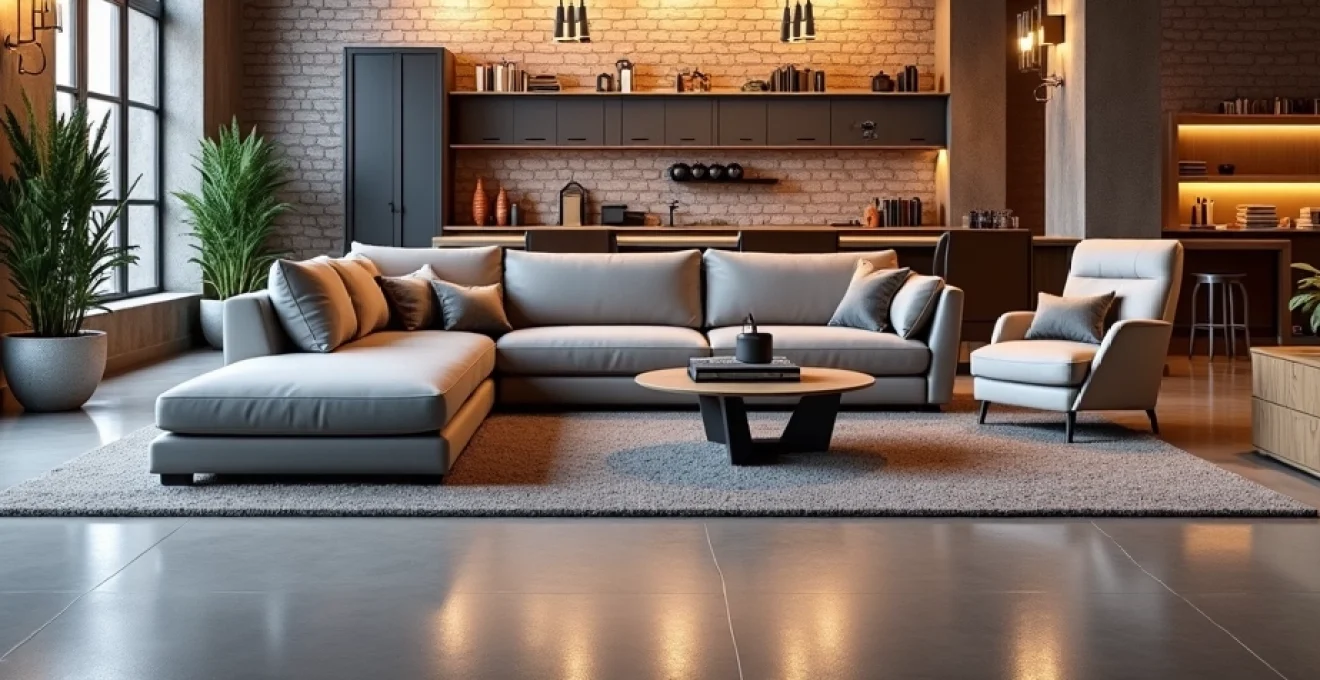
Industrial decor has evolved from necessity to choice, transforming ordinary spaces into environments that celebrate authenticity and raw beauty. This design philosophy emerged from the repurposing of abandoned factories and warehouses, where structural elements once hidden became celebrated features. Today’s industrial aesthetic embraces exposed materials, weathered surfaces, and utilitarian elements to create spaces that feel both sophisticated and approachably honest. The transformation power of industrial decor lies in its ability to reveal the inherent character of a space whilst introducing warmth through careful material selection and strategic design choices.
Core elements of industrial interior design aesthetics
The foundation of industrial design rests upon four essential elements that work together to create spaces with genuine character and visual impact. These core components transform ordinary rooms into environments that tell stories of craftsmanship, durability, and purposeful design. Understanding these elements enables designers and homeowners to achieve authentic industrial aesthetics that avoid superficial imitation.
Exposed brick masonry and reclaimed timber framework integration
Exposed brick walls serve as the cornerstone of industrial design, offering texture, warmth, and historical narrative within contemporary spaces. Original brick masonry reveals construction techniques from bygone eras, displaying variations in colour, size, and laying patterns that machine-made materials cannot replicate. Authentic brick surfaces show natural weathering, mortar variations, and subtle imperfections that create visual interest and tactile appeal.
Reclaimed timber frameworks complement brick surfaces by introducing organic warmth and natural grain patterns. These wooden elements often feature nail holes, saw marks, and patina that speak to their previous industrial applications. Structural beams, floor joists, and wall cladding made from salvaged timber create compelling contrasts with harder materials whilst maintaining the industrial narrative.
The integration of brick and timber requires careful consideration of proportion and placement. Horizontal timber elements can visually widen spaces, whilst vertical applications draw attention upward, emphasising ceiling height. The key lies in balancing these materials to create harmony rather than competition between textures and colours.
Weathered steel beam installation and structural reinforcement display
Steel beams represent the engineering heritage of industrial design, showcasing structural honesty that celebrates rather than conceals load-bearing elements. Weathered steel surfaces develop unique patina over time, creating colour variations that range from deep amber to rich bronze. These natural oxidation patterns add depth and character that painted surfaces cannot achieve.
The installation of steel beams requires professional expertise to ensure structural integrity whilst achieving desired aesthetic outcomes. Exposed I-beams can span large openings, creating dramatic visual lines that emphasise space and scale. Column arrangements define circulation patterns whilst maintaining open-plan flexibility that characterises industrial environments.
Surface treatments for steel elements balance preservation with aesthetics. Clear protective coatings maintain natural patina whilst preventing further deterioration. Selective cleaning can remove loose rust whilst preserving desirable weathering effects. The goal remains showcasing authentic material characteristics rather than creating artificially aged appearances.
Cast iron pipe networks as decorative plumbing features
Exposed plumbing transforms utilitarian necessity into decorative opportunity, revealing the mechanical systems that serve modern comfort. Cast iron pipes offer substantial visual weight and authentic industrial character that modern materials struggle to match. These elements create interesting geometric patterns along walls and ceilings whilst maintaining functional integrity.
The aesthetic appeal of exposed plumbing lies in its honest display of building systems. Valve wheels, pipe joints, and support brackets become sculptural elements that add visual complexity to otherwise simple surfaces. Strategic pipe routing can create rhythmic patterns that guide eye movement through spaces whilst maintaining accessibility for maintenance requirements.
Safety considerations remain paramount when incorporating exposed plumbing systems. Insulation requirements, access panels, and building code compliance must balance aesthetic goals with practical necessities. Professional installation ensures both visual appeal and long-term functionality of these decorative plumbing features.
Concrete floor polishing techniques for urban warehouse appeal
Polished concrete floors epitomise industrial aesthetic values through their combination of durability, functionality, and raw beauty. Modern polishing techniques reveal aggregate patterns and create lustrous surfaces that reflect light whilst maintaining slip resistance. These floors accommodate heavy use whilst developing character through natural wear patterns over time.
The polishing process involves progressive diamond grinding stages that gradually refine surface texture and expose desired aggregate levels. Different aggregate sizes and types create unique visual effects, from subtle speckled patterns to bold stone inclusions. Surface densification treatments improve durability whilst enhancing light reflection properties.
Maintenance requirements for polished concrete remain minimal compared to traditional flooring materials. Regular cleaning and periodic resealing preserve appearance whilst allowing natural patina development. Strategic scoring patterns can add visual interest whilst controlling thermal expansion and potential cracking in large continuous surfaces.
Material selection strategies for authentic industrial character
Authentic industrial character emerges through careful material selection that prioritises substance over appearance, functionality over decoration. The most compelling industrial spaces feature materials that age gracefully, developing patina and character through use rather than deteriorating under normal conditions. This approach requires understanding how different materials interact with environmental conditions, human contact, and time itself.
Corten steel patina development and oxidation management
Corten steel represents the pinnacle of weathering steel technology, developing stable rust patina that protects underlying metal whilst creating rich colour variations. This self-protecting oxidation process eliminates maintenance requirements whilst providing ever-changing surface appearance. The patina development occurs gradually, transitioning from bright orange to deep brown over several seasonal cycles.
Environmental factors significantly influence patina development rates and final appearance. Coastal locations accelerate oxidation through salt exposure, whilst arid climates slow the process. Controlled weathering environments can predict and manage patina characteristics for specific aesthetic outcomes. Regular water exposure during initial weathering phases promotes even patina distribution.
Design applications for Corten steel include exterior cladding, interior accent walls, and sculptural elements that bridge indoor-outdoor connections. The material’s self-healing properties make it ideal for high-contact applications where conventional coatings might fail. Proper detailing prevents staining of adjacent materials during the initial weathering period.
Edison bulb fixtures and vintage electrical component integration
Edison-style bulb fixtures celebrate the early industrial age whilst providing contemporary lighting solutions that emphasise form and function. These vintage-inspired elements feature exposed filaments that create warm, inviting illumination patterns distinct from modern LED alternatives. Authentic electrical components include porcelain sockets, cloth-wrapped cables, and industrial-grade switches that maintain historical accuracy.
The integration of vintage electrical components requires careful attention to modern safety standards whilst preserving authentic appearance. Updated wiring systems concealed within period-appropriate housings ensure compliance without compromising aesthetic integrity. Professional electrical work guarantees safe operation of vintage-style fixtures in contemporary applications.
Lighting design strategies emphasise task illumination and ambient effects that complement industrial materials. Pendant fixtures suspended from exposed ceiling elements create dramatic focal points. Wall-mounted industrial fixtures provide directed lighting whilst adding textural interest to vertical surfaces.
Salvaged machinery parts as functional furniture elements
Industrial machinery components offer unique opportunities to create one-of-a-kind furniture pieces that celebrate manufacturing heritage. Cast iron machine bases provide stable platforms for dining tables, whilst steel fabrication equipment becomes shelving systems with authentic industrial provenance. These repurposed elements introduce conversation-starting focal points that cannot be replicated through manufactured alternatives.
The selection process for salvaged machinery requires understanding original function, structural integrity, and adaptation potential. Heavy machinery components often possess engineering qualities that exceed residential furniture requirements, ensuring longevity and stability in new applications. Surface preparation may involve cleaning, protective coating application, or selective restoration to enhance appearance whilst preserving character.
Safety considerations include removing hazardous materials, eliminating sharp edges, and ensuring stability in furniture applications. Professional restoration services can address these concerns whilst maintaining authentic industrial character. The goal remains creating functional furniture that honours original industrial purpose whilst serving contemporary needs.
Raw metal ducting systems for exposed HVAC aesthetics
Exposed HVAC ducting transforms necessary mechanical systems into prominent design elements that reinforce industrial aesthetics. Raw metal ductwork creates strong geometric lines that can define space organisation and circulation patterns. These systems require careful design integration to balance functional requirements with visual appeal.
Ductwork materials include galvanised steel, stainless steel, and aluminium, each offering distinct appearance characteristics and performance qualities. Surface finishes range from mill finish to brush patterns that add texture whilst maintaining cleanability. Strategic ductwork routing creates rhythmic patterns that enhance rather than clutter ceiling planes.
Acoustic considerations require attention in exposed ductwork applications. Sound-absorbing materials and proper system design prevent noise transmission whilst maintaining aesthetic goals. Regular maintenance access must be incorporated into design layouts to ensure long-term system performance.
Space planning methodologies for industrial transformation
Effective space planning for industrial transformation requires understanding the fundamental principles that govern how people move through and interact with raw, authentic environments. Industrial spaces traditionally prioritised function over form, creating layouts that maximised efficiency whilst accommodating large-scale operations. Translating these principles into contemporary applications means embracing open planning concepts, celebrating vertical space, and creating clear circulation paths that feel intuitive rather than forced.
The transformation process begins with thorough analysis of existing structural elements, mechanical systems, and architectural features that contribute to authentic industrial character. Structural honesty becomes a guiding principle, where load-bearing elements, utility runs, and building systems remain visible and celebrated rather than concealed. This approach often reveals unexpected spatial relationships and design opportunities that conventional planning methods might overlook.
Zoning strategies in industrial spaces differ significantly from traditional residential planning approaches. Large, flexible areas accommodate multiple functions whilst maintaining visual continuity throughout the space. Kitchen areas might flow seamlessly into living spaces, whilst work areas integrate with social zones through careful furniture placement rather than permanent barriers. This flexibility allows spaces to adapt to changing needs whilst maintaining their essential industrial character.
Ceiling height management represents a critical consideration in industrial space planning. High ceilings characteristic of industrial buildings create opportunities for mezzanine levels, suspended storage solutions, and dramatic lighting installations. However, these volumes also present challenges in terms of heating efficiency, acoustic control, and human scale relationships that require thoughtful design responses.
The most successful industrial transformations celebrate rather than apologise for their unconventional proportions and raw material palette, creating spaces that feel authentically connected to their industrial heritage.
Lighting design principles using Factory-Inspired fixtures
Industrial lighting design draws inspiration from the practical illumination solutions developed for factory environments, where function, durability, and efficiency took precedence over decorative concerns. These principles translate effectively into contemporary applications, creating lighting schemes that provide excellent task illumination whilst contributing to the overall industrial aesthetic. The key lies in understanding how different fixture types, lamp technologies, and mounting strategies work together to create layered lighting effects.
Factory-inspired pendant fixtures serve as primary design elements that establish visual hierarchy whilst providing general illumination. High-bay fixtures adapted for residential applications offer substantial light output with authentic industrial styling. Strategic pendant placement can define activity zones, create intimate seating areas, or emphasise architectural features such as exposed beams or brick walls. The scale of these fixtures must balance dramatic impact with human comfort, avoiding overwhelming smaller spaces whilst ensuring adequate illumination levels.
Track lighting systems provide flexibility characteristic of industrial environments, where changing operational requirements demanded adaptable illumination solutions. Contemporary track systems accommodate various fixture types, from spotlights for accent lighting to pendant fixtures for task illumination. This flexibility proves particularly valuable in multipurpose industrial spaces where lighting needs change throughout the day or as spaces transform from work to social functions.
Wall-mounted industrial fixtures include cage lights, arm-mounted fixtures, and articulated task lights that provide directed illumination whilst contributing to the overall design narrative. These fixtures often feature adjustment mechanisms that allow users to direct light precisely where needed, maintaining the practical approach characteristic of industrial environments. Surface mounting on exposed brick or concrete walls reinforces material authenticity whilst providing practical illumination solutions.
Natural light integration requires careful consideration in industrial transformations, particularly when working with existing window systems typical of factory buildings. Large, multi-pane industrial windows often provide excellent daylight penetration but may require restoration to maintain their authentic character. Window treatment strategies should complement rather than compete with the industrial aesthetic, using materials such as raw linen, canvas, or leaving windows completely unadorned to maximise natural light benefits.
Colour psychology applications in raw material environments
Colour psychology in industrial environments operates differently than in conventional interior design applications, as the raw material palette provides a neutral foundation that influences how additional colours are perceived and experienced. Understanding these psychological effects enables designers to create industrial spaces that feel inviting and comfortable whilst maintaining their authentic character. The interplay between natural material colours and introduced hues creates opportunities for subtle yet impactful colour applications.
The foundational colour palette of industrial materials typically includes warm greys from concrete, rich browns from aged timber, deep reds from exposed brick, and various metal tones ranging from silvery steel to warm copper patina. These colours create a sophisticated neutral backdrop that can accommodate both subtle and bold accent colours without appearing chaotic or unbalanced. Natural material variations within this palette provide visual interest that prevents monotony whilst maintaining cohesion.
Psychological research indicates that exposure to natural materials and earth tones promotes feelings of stability, comfort, and connection to nature, even within urban industrial environments. The organic variations present in brick, wood, and aged metal surfaces create visual complexity that engages attention without causing fatigue. This characteristic makes industrial environments particularly suitable for both productive work activities and relaxing social functions.
Accent colour strategies in industrial spaces should complement rather than compete with the existing material palette. Deep blues, forest greens, and warm oranges work effectively as accent colours because they harmonise with the natural variations present in aged materials. These colours can be introduced through textiles, artwork, or selected furniture pieces whilst allowing the raw material palette to remain dominant.
The most psychologically comfortable industrial spaces achieve balance between the raw authenticity of exposed materials and the human need for warmth and visual comfort through thoughtful colour application.
Seasonal colour adaptations provide opportunities to modify the psychological impact of industrial spaces without compromising their essential character. Warmer accent colours during winter months can counteract the potentially cold feeling of extensive metal and concrete surfaces. Lighter, cooler accents during summer months can enhance the refreshing quality of these same materials. This adaptability maintains interest whilst respecting the fundamental industrial aesthetic.
Furniture configuration techniques for Warehouse-Style living spaces
Furniture configuration in warehouse-style living spaces requires understanding how scale, proportion, and circulation patterns create comfortable human environments within large, open volumes. Industrial buildings typically feature expansive floor plates with minimal interior partitions, creating both opportunities and challenges for residential furniture arrangement. The key lies in establishing intimate human-scaled zones whilst maintaining the sense of openness that characterises industrial spaces.
Scale relationships become critical when selecting and arranging furniture in high-ceilinged industrial spaces. Conventional residential furniture can appear insignificant within these volumes, necessitating either larger-scale pieces or strategic grouping techniques that create visual weight appropriate to the space. Substantial furniture pieces such as oversized sectional seating, large dining tables, and tall storage units help establish human scale whilst complementing the architectural grandeur of industrial environments.
Circulation planning in warehouse-style spaces should reflect the efficient movement patterns characteristic of industrial operations whilst accommodating residential comfort needs. Clear pathways between functional zones prevent furniture arrangements from impeding natural traffic flow. These circulation routes can follow structural grid patterns established by exposed beams or columns, creating logical organisation that feels intuitive to inhabitants and visitors.
Furniture material selection should harmonise with the existing industrial palette whilst introducing comfort elements essential for residential use. Leather upholstery ages gracefully and complements raw materials, whilst heavy canvas and wool textiles provide durability and comfort. Metal furniture frames echo structural elements whilst wood components add warmth and natural variation. The goal remains creating cohesive material relationships that feel intentional rather than coincidental.
Modular furniture systems provide flexibility characteristic of industrial environments, where changing requirements demanded adaptable solutions. Contemporary modular seating systems, adjustable shelving, and multipurpose tables allow space configurations to evolve whilst maintaining design consistency. This adaptability proves particularly valuable in warehouse-style spaces where large volumes might serve different functions throughout the day or across seasons.
Storage integration requires creative solutions that maintain visual openness whilst accommodating residential storage needs typically handled by closets and built-in cabinetry. Industrial shelving systems, vintage lockers, and repurposed machinery components provide authentic storage solutions that contribute to rather than detract from the overall industrial aesthetic. Open storage strategies encourage organisation whilst displaying possessions as part of the overall design composition, reflecting the honest display principles characteristic of industrial environments.