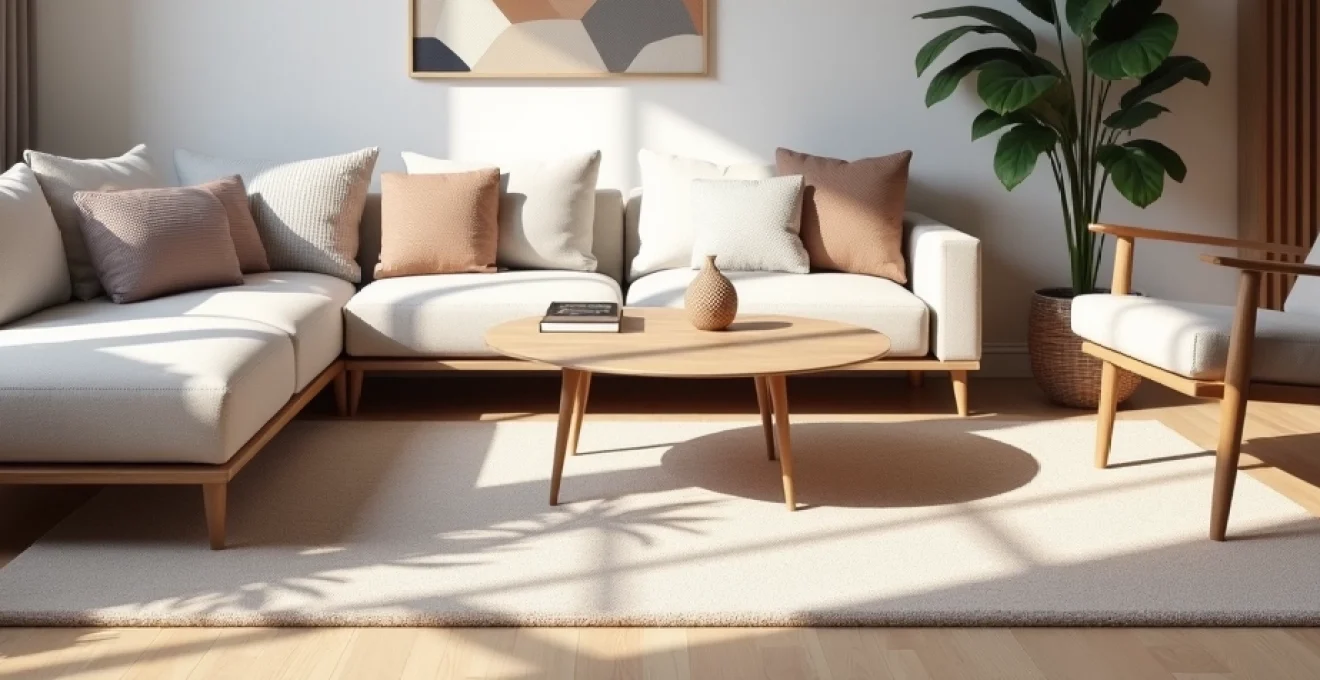
The contemporary interior design landscape has witnessed a remarkable resurgence of geometric patterns, particularly in textile applications where precision meets artistry. Geometric rugs have emerged as transformative elements that inject sophisticated energy into living spaces whilst maintaining the delicate balance between visual impact and functional elegance. These meticulously crafted floor coverings transcend mere decorative accessories, evolving into architectural anchors that define spatial character and establish rhythmic harmony within diverse interior environments.
Unlike traditional ornamental patterns that rely solely on historical motifs, modern geometric rugs harness the power of mathematical precision to create visual dynamism. They serve as conductors orchestrating the spatial symphony, guiding the eye through calculated movements whilst establishing zones of interaction within open-plan environments. The inherent versatility of geometric patterns allows these rugs to complement everything from minimalist Scandinavian aesthetics to bold maximalist compositions.
Geometric pattern classifications and their visual impact on contemporary interior spaces
The realm of geometric rug design encompasses a sophisticated taxonomy of patterns, each contributing distinct visual qualities and psychological effects to interior environments. Understanding these classifications enables designers and homeowners to make informed decisions about how specific geometric motifs will interact with existing architectural elements and furnishing arrangements.
Tessellation patterns: hexagonal, triangular, and rhombus configurations
Tessellation patterns represent the mathematical perfection of interlocking shapes that create seamless, continuous designs across the rug surface. Hexagonal tessellations, reminiscent of honeycomb structures, introduce organic efficiency into geometric frameworks, creating visual stability whilst maintaining dynamic movement. These patterns work exceptionally well in contemporary dining areas and home offices where structured thinking and productivity are paramount.
Triangular tessellations generate directional energy, with their angular precision creating visual pathways that can elongate narrow spaces or add complexity to expansive rooms. The inherent dynamism of triangular patterns makes them particularly effective in living areas where conversation and social interaction are encouraged. Rhombus configurations offer a sophisticated alternative, providing diamond-like brilliance that captures and reflects light in fascinating ways throughout the day.
Abstract modernist motifs: kandinsky and Mondrian-Inspired designs
Drawing inspiration from pioneering abstract artists, contemporary geometric rugs incorporate bold compositional elements that transform floors into gallery-worthy installations. These designs feature asymmetrical balance, colour blocking, and dynamic line work that challenges traditional symmetrical expectations. The influence of modernist principles creates rugs that function as focal points rather than background elements.
Such patterns particularly excel in creative environments, studios, and contemporary living spaces where artistic expression is valued. The bold contrasts and unexpected juxtapositions inherent in these designs can energise spaces that might otherwise feel sterile or overly structured, introducing an element of creative tension that stimulates visual interest.
Islamic geometric influences: arabesque and moorish pattern integration
The sophisticated mathematical traditions of Islamic art have profoundly influenced contemporary geometric rug design, bringing centuries-old wisdom into modern applications. These patterns feature intricate interlacing designs that create infinite visual journeys, with each viewing revealing new relationships and connections. The spiritual dimension of these patterns adds contemplative qualities to living spaces.
Moorish-inspired geometric rugs work particularly well in meditation spaces, reading nooks, and bedrooms where tranquillity and reflection are desired. The complex layering of these patterns creates visual depth that can make smaller rooms appear more spacious whilst adding intellectual sophistication to larger areas. The use of traditional motifs in contemporary colourways bridges historical reverence with modern sensibilities.
Scandinavian minimalist geometry: clean lines and asymmetrical balance
Nordic design sensibilities have contributed significantly to the evolution of geometric rug patterns, emphasising clarity, functionality, and subtle sophistication. These designs feature clean lines, generous negative space, and carefully considered proportions that embody the less-is-more philosophy. The restrained use of pattern elements creates calming environments whilst maintaining visual interest.
Scandinavian-influenced geometric rugs excel in small apartments, home offices, and bedrooms where visual calm is essential. The asymmetrical balance characteristic of these designs prevents monotony whilst maintaining the serene atmosphere associated with Nordic interiors. These patterns work particularly well when you want to introduce geometric interest without overwhelming minimalist furniture arrangements.
Colour psychology and chromatic harmony in geometric rug design
The psychological impact of colour in geometric rug design cannot be understated, as chromatic choices fundamentally alter how patterns are perceived and how they influence spatial atmosphere. The intersection of geometric precision and colour theory creates opportunities for sophisticated environmental manipulation through textile design.
Monochromatic schemes: tonal variations in Single-Hue compositions
Monochromatic geometric rugs harness the power of tonal variation within single colour families to create subtle yet compelling visual experiences. These designs rely on texture, pattern depth, and light reflection to generate interest rather than chromatic contrast. The sophistication of single-hue compositions makes them ideal for professional environments and spaces where colour coordination is challenging.
The versatility of monochromatic schemes allows for easy integration with existing colour palettes whilst providing the geometric energy that transforms space. Different shades, tints, and tones within the same colour family create hierarchy and movement without introducing jarring contrasts. This approach works particularly well when you want geometric impact without colour complexity.
Complementary contrast applications: High-Impact colour pairings
Complementary colour combinations in geometric rugs create maximum visual impact through strategic opposition on the colour wheel. These high-contrast pairings generate energy and excitement whilst maintaining balance through equal visual weight distribution. The tension between opposing colours creates dynamic environments that stimulate conversation and activity.
Navy and orange, purple and yellow, or classic black and white combinations exemplify how complementary contrasts can transform neutral spaces into vibrant environments. However, the intensity of these combinations requires careful consideration of surrounding elements to prevent visual overload. The key lies in using complementary contrasts as accent elements rather than dominant features .
Analogous palettes: subtle gradations for sophisticated ambience
Analogous colour schemes utilise adjacent colours on the colour wheel to create harmonious progressions that soothe whilst maintaining geometric interest. These gentle transitions between related hues create sophisticated environments where pattern and colour work in perfect harmony. The subtle variations provide enough contrast to define geometric shapes whilst maintaining overall cohesion.
Blue-green-purple progressions or warm sequences from yellow through orange to red create environments that feel naturally balanced. These palettes work exceptionally well in bedrooms, relaxation areas, and spaces where tranquillity is desired without sacrificing visual sophistication. The graduated colour changes add depth to geometric patterns without creating visual tension.
Neutral base integration: greys, beiges, and Off-White foundations
Neutral base colours provide the perfect foundation for geometric patterns that rely on form rather than chromatic impact for their visual effect. These sophisticated palettes allow geometric precision to take centre stage whilst providing flexibility for seasonal décor changes and evolving interior schemes. The timeless appeal of neutral geometrics ensures longevity in design-conscious environments.
Warm greys, sophisticated beiges, and complex off-whites create canvases for geometric expression that complement virtually any interior palette. These colours work particularly well when you want to introduce pattern and texture without committing to specific colour schemes that might limit future design evolution.
Material composition and textile technology in modern geometric rugs
Contemporary geometric rug production benefits from advanced textile technologies that enhance both aesthetic possibilities and functional performance. The intersection of traditional weaving techniques with modern materials creates opportunities for unprecedented pattern precision and durability. Understanding these material innovations helps inform selection decisions based on specific environmental requirements and aesthetic goals.
High-definition printing technologies now enable photographic precision in geometric pattern reproduction, allowing for complex gradations and minute details previously impossible in traditional weaving. Digital jacquard looms create intricate geometric patterns with mechanical precision, ensuring perfect repetition and alignment across large surface areas. These technological advances have democratised access to sophisticated geometric designs previously available only in luxury handmade pieces.
Natural fibre innovations include organic cotton blends that maintain softness whilst improving stain resistance, and bamboo silk combinations that provide lustrous surfaces perfect for highlighting geometric pattern complexity. Synthetic advances in polypropylene and polyester create outdoor-suitable geometric rugs that maintain colour fastness and pattern clarity despite environmental exposure. The choice between natural and synthetic materials increasingly depends on specific performance requirements rather than aesthetic limitations .
Sustainable production methods have introduced recycled materials into geometric rug manufacturing without compromising pattern quality or colour vibrancy. Post-consumer plastic bottles transformed into durable fibres create geometric rugs that combine environmental responsibility with design sophistication. These innovations align with contemporary values whilst expanding the possibilities for geometric pattern applications in high-traffic environments.
The evolution of textile technology has fundamentally transformed geometric rug possibilities, enabling pattern precision and material performance that surpasses traditional limitations whilst maintaining artisanal aesthetic qualities.
Spatial dynamics and room proportion considerations
The relationship between geometric patterns and spatial perception requires careful consideration of scale, proportion, and placement to achieve optimal visual impact. Different geometric motifs interact uniquely with room dimensions, ceiling heights, and architectural features, creating opportunities for spatial enhancement or potential visual disruption. Understanding these dynamics enables strategic rug selection that complements rather than competes with existing spatial characteristics.
Large-scale geometric patterns work effectively in spacious environments where pattern elements can be appreciated without overwhelming the visual field. Small rooms benefit from subtle geometric designs that add interest without creating visual chaos. The scale of pattern repetition should correspond to room dimensions, with larger spaces accommodating bold, expansive designs whilst intimate areas require more restrained approaches.
Directional geometric patterns can manipulate perceived room proportions through strategic placement and orientation. Horizontal stripes or linear patterns can visually widen narrow spaces, whilst vertical elements can increase perceived ceiling height. Diagonal patterns create dynamic movement that can energise static room layouts or provide visual relief in overly structured environments. The orientation of geometric elements becomes a powerful tool for architectural enhancement.
Pattern density affects spatial perception significantly, with high-contrast, busy patterns potentially reducing perceived room size whilst subtle, low-contrast designs can expand spatial feeling. The relationship between positive and negative space within geometric patterns influences how much visual weight the rug carries within the overall room composition. Strategic use of pattern density can highlight specific areas or create visual breathing room in complex interiors .
Colour temperature within geometric patterns also affects spatial perception, with warm colours advancing visually to make spaces feel more intimate whilst cool colours recede to create expansive feelings. The interplay between geometric structure and colour temperature provides nuanced control over spatial atmosphere. Understanding these relationships enables precise environmental manipulation through thoughtful rug selection and placement.
Design integration strategies across interior architecture styles
The versatility of geometric rugs enables successful integration across diverse architectural styles, from historic renovations to cutting-edge contemporary constructions. Each architectural context presents unique opportunities and challenges for geometric pattern incorporation, requiring adapted approaches that respect existing design languages whilst introducing contemporary energy.
Mid-century modern compatibility: eames era and atomic age aesthetics
Mid-century modern interiors provide ideal contexts for geometric rug integration, as both design movements share fundamental principles of clean lines, functional beauty, and optimistic modernism. The atomic age fascination with scientific precision aligns perfectly with geometric pattern mathematics, creating natural synergies between textile and architectural elements.
Geometric rugs in mid-century environments should echo the era’s colour palette whilst introducing contemporary refinements. Warm oranges, rich teals, and sophisticated greys complement iconic furniture pieces whilst geometric patterns add textural interest to smooth surfaces characteristic of the period. The key lies in maintaining period authenticity whilst avoiding pastiche through thoughtful pattern and colour selection.
Industrial loft applications: exposed brick and steel framework pairings
Industrial environments benefit enormously from geometric rug integration, as soft textile patterns provide essential contrast to hard architectural surfaces whilst maintaining the aesthetic coherence demanded by loft living. The juxtaposition between geometric precision and industrial rawness creates compelling visual tension that energises large, open spaces.
Bold geometric patterns work particularly well against exposed brick walls, with high-contrast designs providing focal points that ground furniture arrangements in expansive loft spaces. The warmth of textile geometric patterns humanises cold industrial elements whilst their structured nature respects the architectural honesty of exposed structural systems. Neutral and monochromatic geometric schemes prevent competition with dramatic architectural features whilst adding necessary softness.
Contemporary minimalist settings: Clean-Lined furniture coordination
Minimalist interiors present unique challenges for geometric rug integration, as pattern introduction must enhance rather than compromise the essential clarity that defines the aesthetic. Successful geometric integration in minimalist settings requires restraint, precision, and deep understanding of how pattern complexity affects spatial tranquillity.
Subtle geometric patterns with generous negative space maintain minimalist principles whilst adding necessary visual interest to prevent sterility. Monochromatic or analogous colour schemes ensure pattern integration without chromatic disruption. The geometric rug becomes a meditation on form rather than a decorative overlay, contributing to the contemplative atmosphere essential to minimalist success.
Eclectic maximalist environments: pattern mixing and visual layering
Maximalist interiors embrace geometric rugs as essential components in complex visual symphonies where pattern, colour, and texture create rich, layered environments. The challenge lies in achieving harmony amongst diverse elements whilst allowing individual pieces to contribute their unique character to the overall composition.
Geometric rugs in maximalist settings often serve as grounding elements that provide visual stability amongst more organic patterns and forms. Their mathematical precision creates reference points that help organise visual chaos whilst their bold presence ensures they maintain significance within complex compositions. The key to successful maximalist geometric integration lies in colour coordination rather than pattern restraint .
Maximalist environments require geometric rugs that can hold their own amongst competing visual elements whilst contributing to overall compositional harmony through strategic colour relationships and scale considerations.
Maintenance protocols and longevity preservation techniques
Contemporary geometric rugs represent significant investments in both aesthetic and functional terms, making proper maintenance essential for preserving their visual impact and extending their service life. Different materials and construction methods require adapted care approaches, whilst pattern characteristics influence cleaning strategies and wear management. Understanding these requirements ensures that geometric rugs maintain their transformative power throughout their intended lifespan.
Regular maintenance begins with appropriate vacuum selection and technique adaptation to rug construction type. High-pile geometric rugs require gentle suction settings and brushless attachments to prevent pattern distortion, whilst flat-woven pieces can accommodate more aggressive cleaning without damage. The frequency of maintenance depends on traffic levels and environmental conditions, with high-traffic areas requiring daily attention to prevent soil accumulation that can dull pattern clarity.
Professional cleaning becomes essential for geometric rugs in high-impact environments, where colour fastness and pattern definition require specialised treatment approaches. Steam cleaning, dry cleaning, and colour restoration techniques each serve specific geometric rug types and condition requirements. Professional assessment helps determine optimal cleaning schedules that balance maintenance costs against rug longevity and appearance preservation.
Preventive measures significantly extend geometric rug lifespan whilst maintaining pattern vibrancy. Rotation schedules distribute wear patterns evenly across rug surfaces, preventing premature pattern degradation in high-traffic areas. Appropriate padding selection provides foundation support that maintains geometric pattern stability whilst improving comfort and noise reduction. Strategic placement away from direct sunlight preserves colour integrity whilst maintaining the visual impact that makes geometric rugs such powerful interior elements .
Storage considerations become important for seasonal geometric rugs or pieces awaiting redeployment in evolving interior schemes. Proper rolling techniques, climate control, and pest protection ensure that stored geometric rugs maintain their transformative potential for future applications. Documentation of cleaning schedules, professional treatments, and condition assessments helps track rug performance and inform future maintenance decisions.