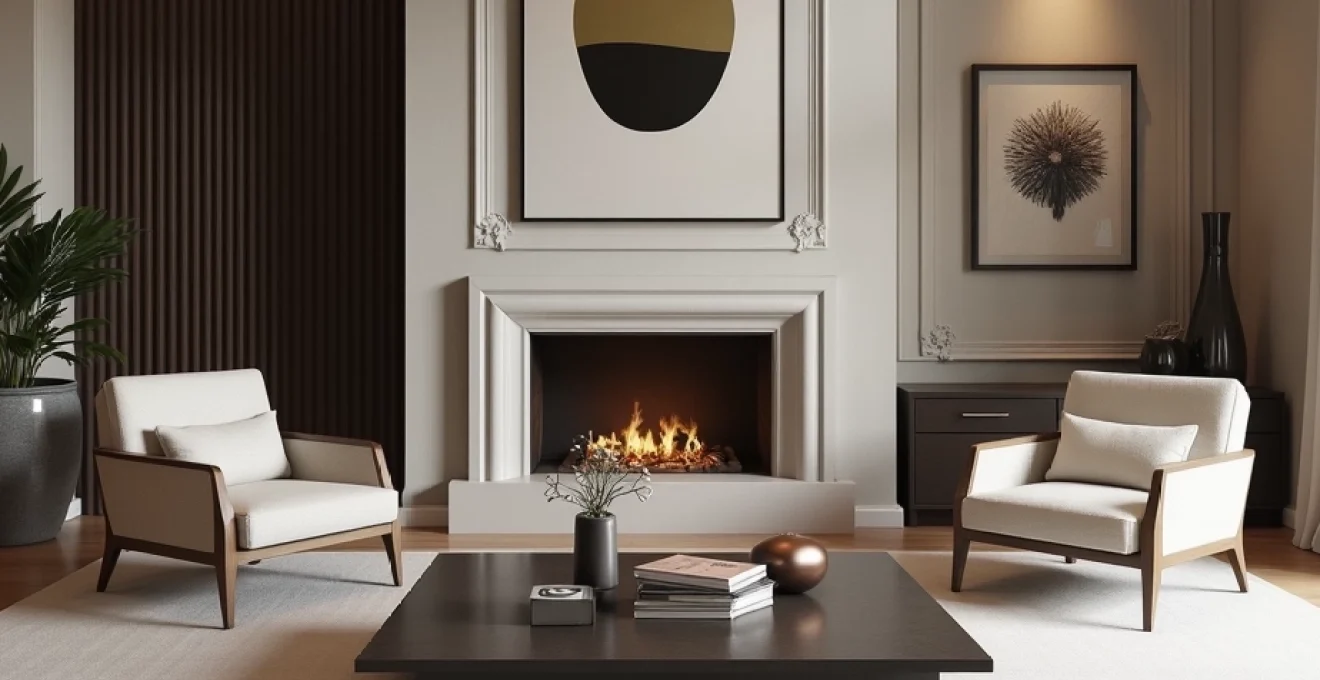
Abstract sculptures possess an extraordinary ability to transform living spaces through their non-representational forms, creating emotional resonances that transcend traditional decorative boundaries. These three-dimensional artworks function as powerful conduits between the viewer’s psyche and their physical environment, establishing atmospheric connections that can dramatically alter the perceived character of any room. Unlike conventional decorative elements, abstract sculptures engage multiple sensory pathways simultaneously, creating layered experiences that evolve with changing light conditions, viewing angles, and the observer’s emotional state.
The integration of abstract sculptural forms into residential and commercial spaces represents more than mere aesthetic enhancement—it constitutes a sophisticated approach to environmental psychology and spatial dynamics. Through carefully considered material choices, proportional relationships, and strategic placement, these artworks can influence mood, encourage contemplation, and create focal points that anchor entire design schemes. The transformative power of abstract sculpture lies in its capacity to communicate through pure form, texture, and spatial relationships, bypassing literal interpretation to engage directly with our emotional and intellectual faculties.
Psychological impact of Non-Representational sculptural forms on interior ambience
The psychological influence of abstract sculptures within interior environments operates through complex neurological and cognitive processes that researchers are only beginning to fully understand. When you encounter a non-representational sculptural form, your brain engages in what psychologists term perceptual completion —actively attempting to derive meaning and emotional significance from ambiguous visual information. This process creates a uniquely personal relationship between viewer and artwork, as each individual’s interpretation becomes filtered through their own experiences, memories, and emotional associations.
Studies in environmental psychology demonstrate that abstract sculptural elements can significantly influence stress levels, creativity, and overall well-being within interior spaces. The presence of thoughtfully selected abstract forms appears to stimulate the production of dopamine and serotonin, neurotransmitters associated with pleasure and contentment. This biochemical response occurs because abstract art engages the brain’s reward centres without overwhelming them with excessive detail or narrative complexity. The result is a subtle but persistent sense of visual satisfaction that contributes to positive emotional states throughout extended periods of exposure.
Gestalt theory applications in abstract sculptural perception
Gestalt psychology principles provide crucial insights into how abstract sculptures influence spatial perception and emotional response within interior environments. The concept of figure-ground relationships becomes particularly relevant when considering how sculptural forms interact with their architectural contexts. A carefully positioned abstract sculpture can create dynamic visual hierarchies that draw the eye through space in predetermined patterns, establishing rhythm and flow within otherwise static environments.
The principle of closure operates powerfully in abstract sculptural perception, as viewers instinctively attempt to complete partial forms and implied shapes. This cognitive process creates active engagement between observer and artwork, generating sustained interest that prevents the visual fatigue often associated with overly literal decorative elements. When you position abstract sculptures strategically within your space, you’re essentially creating visual puzzles that reward continued observation with new discoveries and interpretations.
Colour psychology integration through patinated bronze and oxidised metals
The selection of materials and surface treatments in abstract sculpture profoundly influences the emotional atmosphere of interior spaces through colour psychology mechanisms. Patinated bronze surfaces, with their characteristic blue-green oxidation patterns, tend to evoke feelings of tranquillity and natural connection, making them particularly suitable for spaces intended for relaxation or contemplation. These weathered metal finishes create visual links to natural processes and geological timeframes, introducing elements of permanence and stability into contemporary living environments.
Oxidised metal surfaces possess unique light-interaction properties that create continuously evolving visual experiences throughout daily light cycles. As natural and artificial illumination changes throughout the day, these surfaces reveal different textural qualities and colour variations, ensuring that your sculptural investment continues to provide visual interest over extended periods. The subtle colour shifts created by oxidised metals can influence circadian rhythms and emotional states, with warmer tones promoting energy and alertness during daylight hours, while cooler evening light emphasises the calming blue-green spectrum.
Spatial relationship dynamics between negative space and room architecture
Abstract sculptures excel at manipulating spatial perception through their sophisticated use of negative space—the areas surrounding and within sculptural forms. These sculptural voids create visual breathing room that can make compact interiors feel more spacious while adding complexity to larger spaces that might otherwise appear monotonous. The interplay between solid form and empty space generates visual tension that activates the surrounding environment, creating dynamic relationships between artwork and architecture.
Strategic positioning of abstract sculptures with significant negative space components can effectively divide large rooms into more intimate zones without requiring physical barriers. This spatial division technique proves particularly valuable in open-plan living arrangements, where traditional room divisions might compromise natural light flow or architectural cohesion. The psychological effect of these invisible boundaries creates distinct functional areas while maintaining visual connectivity throughout the space.
Biophilic design principles in organic abstract sculptural elements
Contemporary understanding of biophilic design principles demonstrates that humans possess innate attractions to natural forms and patterns, even when abstracted beyond immediate recognition. Abstract sculptures incorporating organic geometries—flowing curves, spiral formations, or growth-pattern inspired structures—can satisfy these deep-seated psychological needs while maintaining sophisticated contemporary aesthetics. These pieces function as nature proxies , providing the emotional benefits of natural connection within urban or heavily built environments.
Research indicates that exposure to organic abstract forms can reduce cortisol levels and lower blood pressure, creating measurable physiological benefits beyond their aesthetic contributions. When you select abstract sculptures with biophilic characteristics, you’re introducing elements that support both psychological well-being and physical health. The incorporation of these natural pattern abstractions proves particularly beneficial in work environments, where stress reduction and creativity enhancement become crucial performance factors.
Contemporary abstract sculptural movements reshaping residential aesthetics
The evolution of abstract sculptural movements continues to profoundly influence contemporary interior design approaches, with recent developments emphasising sustainability, technological integration, and cross-cultural aesthetic fusion. Today’s leading sculptural artists and designers increasingly focus on creating pieces that serve multiple functions—providing aesthetic enhancement while addressing practical concerns such as acoustic management, air purification, or interactive technology integration. This multifunctional approach reflects broader cultural shifts towards efficiency and environmental consciousness in residential design.
Digital fabrication technologies have democratised access to complex sculptural forms, enabling emerging artists to create sophisticated pieces previously achievable only through extensive traditional training or significant financial resources. This technological accessibility has resulted in an explosion of innovative sculptural approaches that challenge conventional boundaries between fine art, functional design, and architectural elements. The resulting diversity of available sculptural options provides unprecedented opportunities for personalising interior environments with truly unique artistic statements.
Minimalist geometric forms: donald judd and sol LeWitt influences
The legacy of minimalist pioneers continues to influence contemporary sculptural design through emphasis on pure geometric relationships, material honesty, and spatial clarity. Modern interpretations of these principles manifest in sculptural pieces that celebrate essential forms—cubes, spheres, and linear elements—while incorporating contemporary materials and fabrication techniques. These pieces function exceptionally well in modern residential settings because their visual simplicity prevents competition with architectural elements while providing sophisticated focal points.
Contemporary minimalist sculptures often incorporate subtle variations in surface treatment, scale, or proportional relationships that create visual interest without compromising their essential simplicity. When you integrate these pieces into your interior design, you’re accessing design philosophies that have proven their enduring appeal across multiple decades and cultural contexts. The mathematical precision inherent in minimalist geometric forms creates sense of order and calm that particularly benefits high-stress contemporary lifestyles.
Constructivist heritage: alexander calder’s kinetic principles in static pieces
Modern sculptural designers frequently incorporate kinetic principles derived from constructivist traditions, creating static pieces that imply movement through balanced forms, cantilevered elements, and dynamic compositional arrangements. These sculptures capture the visual energy of motion while maintaining the stability required for residential applications. The psychological impact of implied movement creates ongoing visual interest that prevents the stagnation often associated with purely static decorative elements.
Contemporary interpretations of kinetic principles often incorporate interactive elements that respond to air currents, temperature changes, or human proximity, creating sculptures that exhibit subtle variations in appearance throughout daily cycles. These responsive qualities transform sculptural pieces from passive decorative objects into active participants in the living environment, contributing to the sense of vitality and dynamic energy that characterises well-designed contemporary interiors.
Neo-brutalist concrete sculptures: tadao ando inspired monolithic forms
The resurging interest in concrete as a sculptural medium reflects broader architectural movements towards material authenticity and monumental simplicity. Contemporary concrete sculptures draw inspiration from brutalist architectural traditions while incorporating refined finishing techniques and proportional sensibilities suitable for residential applications. These pieces provide textural contrast in environments dominated by smooth surfaces while introducing elements of permanence and solidity that can anchor otherwise ephemeral design schemes.
Advanced concrete formulation techniques now enable the creation of sculptural pieces with surface qualities ranging from mirror-smooth to richly textured, often incorporating pigments, aggregates, or embedded materials that create complex visual and tactile experiences. The thermal mass properties of concrete sculptures can contribute to interior climate stability while their acoustic characteristics help manage sound reflection in hard-surfaced contemporary interiors.
Parametric design integration: zaha hadid’s fluid architecture translation
Parametric design methodologies enable the creation of sculptural forms that respond to specific environmental conditions, spatial requirements, and aesthetic preferences through algorithmic generation processes. These techniques produce pieces characterised by flowing, organic geometries that appear to have grown rather than been manufactured. The resulting sculptures often exhibit complex internal structures and surface modulations that create continuously changing visual experiences as lighting conditions and viewing angles shift throughout the day.
The integration of parametric design principles into sculptural creation allows for unprecedented customisation possibilities, enabling pieces to be specifically optimised for particular spatial contexts, material properties, or aesthetic objectives. This design approach represents a significant evolution from traditional sculptural methods, offering you opportunities to commission or select pieces that respond precisely to your specific environmental and aesthetic requirements.
Material properties and textural narratives in abstract sculptural design
The selection of materials in abstract sculptural design transcends mere aesthetic considerations, encompassing complex relationships between physical properties, manufacturing processes, environmental performance, and sensory experience. Contemporary sculptural materials range from traditional options like bronze, marble, and wood to advanced composites, smart materials, and recycled substances that reflect evolving environmental consciousness. Each material choice carries distinct implications for longevity, maintenance requirements, and interaction with surrounding environmental conditions.
Understanding material behaviour becomes crucial when integrating sculptural pieces into residential environments, as different substances respond uniquely to temperature fluctuations, humidity changes, and light exposure. The patination processes of metals, the aging characteristics of natural stones, and the environmental responsiveness of organic materials all contribute to the evolving character of sculptural installations over time. This temporal dimension adds narrative layers to sculptural pieces, ensuring that your investment continues to develop new visual qualities and emotional associations throughout extended ownership periods.
Weathering steel patination processes: Cor-Ten applications
Weathering steel, particularly Cor-Ten alloys, provides sculptural designers with materials that develop controlled rust patination, creating protective surface layers that prevent structural deterioration while establishing rich, warm colour palettes. The patination process typically requires 12-18 months to achieve stable surface characteristics, during which the sculpture undergoes visible transformation from its original metallic appearance to the characteristic rust-orange patination. This temporal evolution creates dynamic installations that document environmental conditions and seasonal changes.
The colour development in weathering steel responds to local atmospheric conditions, humidity levels, and exposure patterns, ensuring that each installation develops unique visual characteristics specific to its location. Indoor applications require careful consideration of ventilation and humidity control to prevent excessive oxidation, while exterior pieces can withstand severe weather conditions with minimal maintenance requirements. The earthy colour palette of weathered steel complements both natural and industrial interior design schemes, providing versatile options for diverse aesthetic approaches.
Polymer composite manipulation: fibreglass and carbon fibre techniques
Advanced polymer composites offer sculptural designers unprecedented freedom in form creation, enabling complex curved surfaces, hollow internal structures, and integrated functional elements that would be impossible with traditional materials. Fibreglass reinforced plastics provide excellent strength-to-weight ratios while allowing for virtually unlimited colour possibilities through pigmented resins or applied finishing systems. Carbon fibre composites deliver exceptional structural performance while maintaining the visual sophistication required for fine art applications.
The manufacturing flexibility of polymer composites enables the integration of embedded technologies , such as LED lighting systems, heating elements, or interactive sensors, directly into sculptural structures during the fabrication process. These capabilities transform static artworks into responsive environmental elements that can adapt to changing conditions or user preferences. The durability and maintenance advantages of properly formulated composite materials make them particularly suitable for installations in challenging environments or high-traffic locations.
Stone carving heritage: carrara marble versus yorkstone characteristics
Traditional stone materials continue to provide unmatched visual and tactile qualities that contemporary synthetic alternatives struggle to replicate. Carrara marble, with its fine crystalline structure and luminous translucency, creates sculptural pieces that interact beautifully with both natural and artificial lighting. The stone’s ability to accept fine surface detailing while maintaining structural integrity makes it ideal for pieces requiring both bold overall forms and subtle textural variations.
Yorkstone and other regional sandstones offer distinctly different aesthetic and practical characteristics, with their more pronounced grain patterns and varied colour ranges providing rustic charm and cultural connections to specific geographical regions. The porosity and weathering characteristics of different stone types significantly influence their suitability for various environmental conditions, with some varieties developing attractive patination over time while others require protective treatments to maintain their original appearance.
Contemporary metal fabrication: titanium anodising and aluminium powder coating
Advanced metal finishing techniques enable the creation of sculptural surfaces with exceptional durability and precise colour control. Titanium anodising processes create interference colour effects that shift depending on viewing angle and lighting conditions, generating dynamic visual experiences that change throughout daily light cycles. These finishes demonstrate remarkable resistance to environmental degradation while maintaining their optical properties over extended periods.
Aluminium powder coating technologies provide virtually unlimited colour possibilities combined with excellent adhesion characteristics and environmental resistance. Recent developments in textural powder coatings enable the simulation of natural materials like stone or wood while retaining the structural advantages and weight savings of aluminium substrates. These finishing techniques allow for the creation of large-scale sculptural installations that would be impractical with heavier traditional materials.
Curatorial strategies for abstract sculptural placement in domestic settings
The successful integration of abstract sculptures into residential environments requires sophisticated understanding of spatial relationships, visual hierarchies, and the psychological impact of three-dimensional forms within living spaces. Professional curatorial approaches emphasise the creation of viewing sequences that guide occupants through spaces while providing multiple opportunities for engagement with sculptural installations. This methodology transforms residential spaces into gallery-like environments that support both daily living functions and aesthetic contemplation.
Effective sculptural placement considers not only the immediate visual impact of individual pieces but also their cumulative effect on spatial perception and emotional atmosphere throughout the home. The scale relationships between sculptures and architectural elements, furniture, and human proportions significantly influence the success of installations. Oversized pieces can overwhelm intimate spaces while undersized sculptures may become visually insignificant in large, open environments. The key lies in achieving proportional balance that enhances rather than competes with existing design elements.
Contemporary curatorial practice increasingly emphasises the creation of dialogue between sculptural pieces and their architectural contexts. This approach involves careful consideration of sight lines, natural lighting patterns, and circulation routes to ensure that sculptures are encountered at optimal viewing distances and angles. The placement of multiple sculptural pieces requires particular attention to avoid visual competition while creating cohesive thematic relationships that support overall design objectives.
Seasonal repositioning strategies allow you to maintain visual freshness while exploring different spatial relationships and lighting conditions throughout the year. Many contemporary sculptures are designed with mobility in mind, incorporating concealed mounting systems or balanced bases that facilitate relocation without compromising stability or safety. This flexibility enables ongoing experimentation with sculptural arrangements while accommodating changing functional requirements or aesthetic preferences.
The most successful residential sculptural installations create the impression that the pieces have always belonged in their chosen locations, achieving seamless integration between artwork and environment that enhances both elements simultaneously.
Lighting design integration with Three-Dimensional abstract artworks
The interaction between lighting and abstract sculpture represents one of the most critical factors determining the success of sculptural installations within interior environments. Unlike two-dimensional artworks, sculptures exist in space and therefore cast shadows, reflect light, and create constantly changing visual experiences as illumination conditions vary throughout daily cycles. Professional lighting designers increasingly specialise in sculptural illumination techniques that enhance three-dimensional forms while integrating seamlessly with overall interior lighting schemes.
Strategic lighting placement can dramatically alter the perceived characteristics of sculptural pieces, emphasising certain formal qualities while minimising others. Directional lighting creates strong shadow patterns that can enhance the dramatic impact of angular forms, while diffused illumination tends to soften sculptural silhouettes and emphasise surface textures. The colour temperature of illumination sources significantly influences the perceived warmth or coolness of sculptural materials, with warmer light temperatures generally creating
more inviting and comfortable atmospheres that encourage relaxation and contemplation.The emergence of smart lighting systems has revolutionised sculptural illumination possibilities, enabling dynamic lighting programs that can adapt throughout the day to complement natural light cycles and enhance different aspects of sculptural forms. These programmable systems can create subtle lighting choreography that highlights specific sculptural features during peak viewing times while providing ambient illumination during functional activities. The integration of colour-changing LED systems allows for seasonal or mood-based adjustments that can completely transform the character of sculptural installations without physical repositioning.
Accent lighting techniques specifically developed for three-dimensional artworks include grazing light applications that emphasise surface textures and reveal subtle material variations that might otherwise remain invisible. Up-lighting approaches can create dramatic silhouettes and shadow projections on walls or ceilings, effectively extending the sculptural presence beyond its physical boundaries. The careful balance between primary sculptural illumination and secondary ambient lighting prevents the harsh contrasts that can create visual discomfort while ensuring that sculptural pieces remain prominent within their spatial contexts.
Professional lighting consultants increasingly recommend layered illumination strategies that combine multiple light sources at different intensities and colour temperatures. This approach creates rich, complex lighting environments that support both the aesthetic appreciation of sculptural forms and the practical requirements of daily living activities. The integration of dimming controls and scene presets enables occupants to adjust lighting conditions for different times of day, social occasions, or personal preferences while maintaining optimal sculptural presentation.
Investment value and provenance considerations for collectible abstract sculptures
The acquisition of abstract sculptures for interior design purposes increasingly intersects with art market dynamics and investment considerations, particularly as the contemporary art market continues to demonstrate strong performance across multiple economic cycles. Understanding the factors that contribute to sculptural value appreciation enables informed purchasing decisions that serve both aesthetic and financial objectives. The sculptural market differs significantly from two-dimensional art markets due to factors including installation requirements, conservation needs, and the practical limitations of storage and transportation.
Provenance documentation becomes particularly crucial for sculptural investments, as the physical nature of three-dimensional works makes them more susceptible to modification, restoration, or damage during ownership transitions. Comprehensive provenance records should include fabrication documentation, exhibition history, publication records, and detailed condition reports that track any conservation interventions or structural modifications. Digital documentation technologies now enable the creation of detailed three-dimensional scans and photographic records that can verify authenticity and condition for insurance and resale purposes.
Edition sizes and casting rights represent critical factors in sculptural valuation, particularly for works produced through foundry processes or digital fabrication techniques. Limited edition sculptures typically maintain stronger market values than unlimited productions, though the definition of “limited” varies significantly across different artistic practices and market segments. Contemporary artists increasingly provide detailed documentation regarding intended edition sizes, casting permissions, and posthumous production rights, information that significantly impacts long-term investment potential.
Market trends indicate growing collector interest in sculptural works by emerging artists, particularly those incorporating innovative materials or fabrication techniques that reflect contemporary technological capabilities. This interest stems partly from the relative accessibility of sculptural works compared to blue-chip painting markets, while also reflecting increased appreciation for three-dimensional artistic expression within contemporary collecting practices. The integration of digital technologies in sculptural production has created new categories of collectible works that appeal to technology-focused collectors and younger demographic segments.
Successful sculptural collecting requires balancing aesthetic appreciation with practical considerations including installation requirements, ongoing maintenance needs, and the evolving dynamics of contemporary art market preferences.
Insurance considerations for sculptural collections differ significantly from those applicable to traditional artworks due to installation complexities, transportation risks, and the potential for structural damage during routine building maintenance activities. Specialised art insurance policies increasingly offer coverage options specifically designed for three-dimensional works, including protection during installation, temporary storage, and conservation treatments. The development of detailed installation documentation and professional mounting systems can significantly reduce insurance premiums while protecting both financial investments and aesthetic integrity.
Authentication challenges in the sculptural market require particular attention to fabrication methods, material specifications, and artist approval processes. Contemporary sculptural production often involves collaboration between artists and specialised fabricators, creating complex authorship questions that can impact market valuation and legal ownership rights. Professional appraisal services increasingly specialise in sculptural authentication, utilizing materials analysis, fabrication technique assessment, and historical documentation review to establish authenticity and market value.
The emerging market for sculptural NFTs and digital collectibles represents a significant evolution in how abstract sculptural works can function as investment vehicles while maintaining their decorative and aesthetic functions within physical spaces. These hybrid approaches enable collectors to acquire both physical sculptural works and associated digital rights, creating new possibilities for value appreciation and market participation. The integration of blockchain authentication technologies with physical sculptural works offers enhanced provenance tracking and ownership verification capabilities that address many traditional concerns regarding sculptural market participation.
Regional market variations in sculptural collecting reflect cultural preferences, regulatory environments, and logistical considerations that can significantly impact investment performance. European markets tend to favour traditional materials and techniques, while Asian collectors increasingly focus on innovative fabrication methods and contemporary materials. Understanding these market dynamics enables collectors to make informed decisions regarding acquisition timing, geographic focus, and long-term holding strategies that optimise both aesthetic satisfaction and financial performance within their specific collecting contexts.