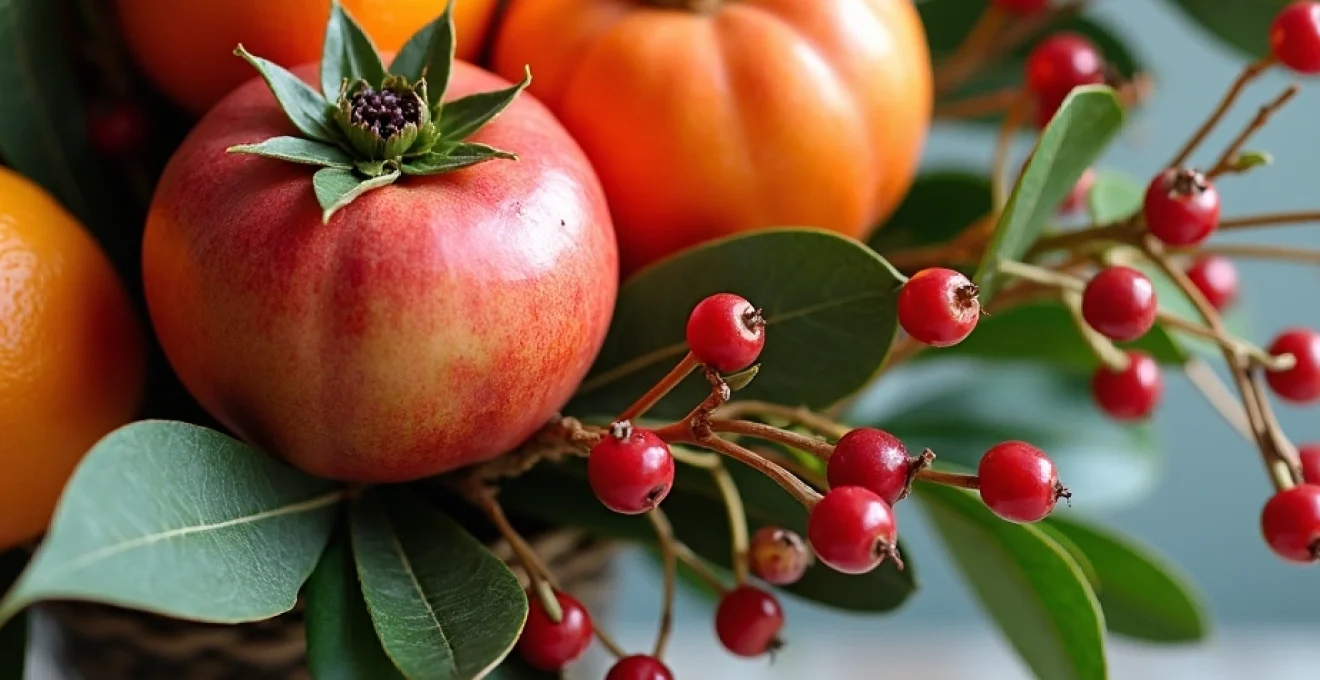
Transforming your living space with nature’s bounty creates an authentic connection between indoor environments and the changing seasons. The artful integration of seasonal fruits and botanicals offers homeowners an opportunity to embrace sustainable decorating practices whilst infusing spaces with vibrant colours, natural textures, and captivating fragrances. This approach to interior styling has gained considerable momentum as people seek alternatives to synthetic decorations, favouring elements that celebrate the natural world’s inherent beauty.
The practice of decorating with seasonal produce and botanical materials extends far beyond simple fruit bowls or flower arrangements. Professional designers and home enthusiasts alike are discovering sophisticated techniques for incorporating these elements into cohesive design schemes that evolve throughout the year. From autumn’s rich harvest displays to spring’s delicate blossoms, each season presents unique opportunities for creative expression through natural materials.
Understanding the proper selection, preparation, and styling of seasonal fruits and botanicals enables you to create displays that maintain their visual appeal for extended periods. Whether you’re designing intimate table settings or grand room installations, mastering these techniques ensures your natural decorations remain fresh, vibrant, and structurally sound throughout their display life.
Autumn harvest integration: pomegranates, persimmons and citrus display techniques
Autumn’s abundant harvest provides an exceptional palette of colours and textures for sophisticated interior displays. The season’s signature fruits—pomegranates with their jewel-like arils, persimmons in their glowing orange hues, and the bright citrus varieties—offer diverse opportunities for creating striking visual compositions. These fruits not only contribute aesthetic value but also bring natural aromatics that enhance the sensory experience of your living spaces.
The key to successful autumn fruit displays lies in understanding the unique characteristics of each variety. Pomegranates, with their substantial weight and distinctive crown-like tops, serve as natural focal points in arrangements. Their deep burgundy exteriors and ruby-red interiors create dramatic colour contrasts when combined with lighter elements. Persimmons, whether the astringent Hachiya variety or the sweet Fuyu type, provide smooth, rounded forms that complement more angular display elements.
Pomegranate arils as statement pieces in glass vessel arrangements
Creating stunning displays with pomegranate arils requires careful extraction and presentation techniques. The individual seeds, each surrounded by translucent, ruby-coloured sacs, can be showcased in clear glass containers to create jewel-like installations. Begin by selecting fully ripe pomegranates that yield slightly to gentle pressure—these will have the most vibrant arils and the sweetest fragrance.
For optimal results, extract the arils using the water bowl method, which prevents staining and ensures you capture only the perfect seeds. Submerge the halved pomegranate in a large bowl of water and gently separate the arils from the white pith. The arils will sink whilst the pith floats, allowing for easy separation. Once cleaned and dried, arrange the arils in layered glass vessels, alternating with other elements such as eucalyptus leaves or small branches for textural contrast.
Persimmon branch layering methods for vertical visual impact
Persimmon branches offer remarkable opportunities for creating vertical drama in seasonal displays. The fruit’s natural tendency to cluster along branches provides ready-made compositions that require minimal intervention. When selecting persimmon branches, choose those with varying fruit sizes and developmental stages to create visual rhythm and movement within your arrangements.
The layering technique involves positioning branches at different heights and angles to create depth and dimensional interest. Start with the longest, most dramatic branches as your foundational elements, then add shorter pieces to fill gaps and create flowing lines. Consider the weight distribution carefully—persimmons can be substantial, so ensure your chosen containers and support systems can accommodate the load whilst maintaining stability.
Meyer lemon and blood orange colour gradient compositions
The vibrant hues of Meyer lemons and blood oranges provide exceptional opportunities for creating colour gradient compositions that celebrate autumn’s transition. These citrus varieties offer not only visual appeal but also intense natural fragrances that permeate display areas with fresh, invigorating scents. The challenge lies in arranging these fruits to maximise their colour impact whilst maintaining visual harmony.
Begin by sorting your citrus fruits by colour intensity, from the pale yellow-green of unripe Meyer lemons through to the deep crimson of fully developed blood oranges. Create flowing compositions that guide the eye through this colour progression, using varying heights and grouping sizes to maintain visual interest. The natural oils in citrus peels will provide ongoing aromatherapy benefits, but handle fruits gently to avoid premature oil release that could damage surrounding materials.
Quince and medlar preservation techniques for extended display life
Quinces and medlars, often overlooked in modern decorating schemes, offer unique textures and forms that can extend well into winter when properly preserved. These fruits possess naturally long display lives due to their firm flesh and protective skins, but specific techniques can enhance their longevity significantly. Understanding proper storage conditions and preparation methods ensures these distinctive fruits maintain their visual appeal for months.
For quinces, maintain cool temperatures between 32-35°F with high humidity levels around 90-95%. This environment prevents moisture loss whilst inhibiting decay organisms. Medlars require slightly different treatment—they can be displayed fresh initially, then allowed to naturally “blet” or soften, creating interesting textural changes over time. Both fruits benefit from regular inspection and rotation to ensure even ageing and prevent isolated decay from affecting entire displays.
Spring botanical preservation: cherry blossom, eucalyptus and pussy willow styling
Spring’s delicate botanical offerings require sophisticated preservation and styling techniques to capture their ephemeral beauty for extended enjoyment. Unlike autumn’s sturdy fruits, spring botanicals are characterised by tender growth, delicate petals, and subtle colour variations that demand gentle handling and specific preservation methods. The reward for mastering these techniques is the ability to bring spring’s renewal energy into your living spaces throughout the season.
The timing of spring botanical collection proves crucial for successful preservation. Cherry blossoms should be cut when buds show colour but haven’t fully opened, whilst eucalyptus branches are best harvested when the leaves are mature but still flexible. Pussy willows require collection at the precise moment when catkins are fully developed but haven’t begun releasing pollen. This attention to timing ensures optimal preservation results and maximum display longevity.
Glycerin treatment protocols for eucalyptus branch longevity
Glycerin treatment represents the gold standard for preserving eucalyptus branches, allowing you to maintain their natural flexibility and colour for months or even years. This process involves replacing the plant’s natural moisture with glycerin, which doesn’t evaporate like water, preventing the brittleness associated with air-drying. The treatment requires patience and attention to detail but yields superior results for long-term displays.
Begin the treatment process by cutting eucalyptus stems at a 45-degree angle under running water to prevent air bubbles from blocking uptake. Prepare a solution of one part glycerin to two parts warm water in a container deep enough to submerge at least four inches of stem length. The absorption process typically requires one to three weeks, depending on branch thickness and ambient conditions. Monitor progress by checking leaf flexibility—properly treated branches will remain supple and maintain their natural colour range from silvery-green to blue-grey.
Cherry blossom forcing techniques for Off-Season indoor displays
Forcing cherry blossom branches allows you to enjoy their delicate beauty weeks or even months before their natural blooming time. This technique requires understanding the specific chill requirements and dormancy patterns of different cherry varieties. Most ornamental cherries require a minimum of 800-1000 chill hours below 45°F before they can be successfully forced into bloom.
The forcing process begins with selecting healthy branches that show well-developed flower buds—these appear plumper and more rounded than leaf buds. Cut branches during late winter, ideally after a cold period, and place them immediately in warm water. Change the water every few days and make fresh cuts at the stem bases to maintain water uptake. Optimal forcing conditions include temperatures around 65-70°F with high humidity levels achieved through regular misting or humidity trays.
Pussy willow catkin development staging for optimal visual appeal
Understanding pussy willow catkin development stages enables you to capture these botanical elements at their peak visual appeal. The fuzzy, silvery catkins that make pussy willows so desirable for decorating undergo distinct developmental phases, each offering different aesthetic qualities. Early-stage catkins present tight, compact forms with the characteristic silvery-grey colouring, whilst mature catkins expand and may develop yellow pollen-bearing structures.
For decorative purposes, catkins are most appealing during the mid-development stage when they’ve expanded enough to display their full fuzzy texture but haven’t yet begun pollen production. This stage typically occurs in late winter to early spring, depending on your geographic location and local climate conditions. Once cut, pussy willow branches can be preserved through air-drying or glycerin treatment, with each method producing different textural results suitable for various styling applications.
Forsythia and flowering quince branch architecture principles
The architectural qualities of forsythia and flowering quince branches offer exceptional opportunities for creating structured yet natural-looking displays. These woody branches possess inherent strength and distinctive growth patterns that can be emphasised through thoughtful arrangement and pruning. Understanding their natural branching habits enables you to work with, rather than against, their structural tendencies.
Forsythia branches exhibit graceful arching growth with alternating bud patterns that create natural rhythm and movement. When incorporating these branches into displays, maintain their natural curves whilst selectively pruning to enhance their most attractive features. Flowering quince presents more angular, zigzag growth patterns with branches that can be trained or positioned to create dramatic geometric effects. Both species benefit from strategic placement that showcases their unique architectural characteristics whilst complementing surrounding design elements.
Professional designers increasingly recognise the value of working with natural branch architecture rather than attempting to impose artificial forms, resulting in more authentic and visually compelling arrangements.
Summer stone fruit centrepiece design: peach, plum and apricot arrangements
Summer stone fruits present unique challenges and opportunities for decorative arrangements due to their relatively short peak condition period and their tendency toward rapid ripening. However, when properly selected and handled, peaches, plums, and apricots create stunning centrepieces that capture the essence of summer’s abundance. The key lies in understanding ripeness indicators and implementing techniques that extend display life whilst maintaining visual appeal.
The selection process for stone fruit displays requires careful attention to firmness, colour development, and fragrance intensity. Fruits at approximately 80% ripeness offer the ideal balance between visual perfection and longevity. At this stage, they possess full colour development and attractive form whilst retaining sufficient firmness to withstand handling and maintain their shape throughout the display period. The natural bloom or waxy coating on plums should remain intact, as this protective layer significantly extends display life.
Creating successful stone fruit arrangements involves balancing the fruits’ natural tendency to soften with design requirements for stability and longevity. Layered arrangement techniques prove particularly effective, with firmer fruits forming the foundational elements and softer specimens positioned as accents or focal points. This approach allows you to showcase the full range of colour and texture variations within stone fruit families whilst ensuring structural integrity throughout the display period.
Temperature management becomes critical when working with summer stone fruits. Unlike hardy autumn fruits that tolerate room temperature well, stone fruits benefit from controlled cooling periods that slow ripening processes without compromising their visual appeal. Strategic use of refrigeration during non-display hours can significantly extend arrangement longevity, though fruits should be allowed to return to room temperature before public viewing to maintain optimal colour saturation and natural sheen.
The incorporation of complementary botanical elements enhances stone fruit displays whilst providing practical support structures. Fresh herb sprigs such as basil, mint, or lavender not only add textural interest but also contribute natural preservation properties through their essential oils. These herbs can be strategically placed to support fruit positioning whilst adding aromatic complexity to the overall display. Consider the colour relationships carefully—the silver-green of lavender complements the purple tones in plums, whilst the vibrant green of basil enhances the warm tones of peaches and apricots.
Winter berry and evergreen combinations: holly, mistletoe and pine cone integration
Winter botanical arrangements celebrate the season’s distinctive palette of rich greens, deep reds, and warm browns through the masterful combination of berries, evergreen materials, and natural accents like pine cones. These hardy materials offer exceptional longevity when properly prepared, making them ideal for extended holiday displays and winter decorating schemes. The challenge lies in balancing the various textures, scales, and colour intensities to create harmonious compositions that feel both festive and sophisticated.
Holly varieties provide the foundation for many winter arrangements, with their glossy evergreen leaves and bright red berries creating instant seasonal recognition. However, successful holly integration requires understanding the different species characteristics—English holly offers classic serrated leaves and abundant berries, whilst American holly presents more varied leaf shapes and potentially different berry colours. The stems require special preparation techniques to ensure optimal water uptake, as their woody nature can impede hydration if not properly conditioned.
Mistletoe integration demands careful consideration of both aesthetic and practical factors. The plant’s distinctive pale green colouration and unique branching structure create interesting contrast against darker evergreen materials, but its parasitic nature means it lacks robust stem structures for water uptake. This characteristic requires alternative preservation methods, such as misting protocols or strategic placement in high-humidity areas. The traditional associations with mistletoe also influence placement decisions, as most people expect to encounter it in doorways or overhead positions.
Pine cone selection and preparation significantly impact the overall success of winter botanical arrangements. Cones vary dramatically in size, shape, and colour depending on their species origin, and understanding these variations enables more sophisticated design decisions. Larger cones from sugar pines or coulter pines serve as dramatic focal points, whilst smaller cones from white pines or spruce trees work better as filler elements. Proper preparation involves cleaning away debris, checking for insect activity, and potentially treating with preservation solutions to prevent opening or closing in response to humidity changes.
The layering of winter materials requires attention to both visual weight and practical considerations such as water access for living elements. Evergreen branches typically form the structural foundation, with their sturdy stems providing support for lighter elements whilst establishing the overall size and shape parameters. Berry-laden branches are then integrated to provide colour accents and seasonal focal points, followed by pine cones and other accent materials that add textural interest without competing for visual dominance.
The most successful winter arrangements achieve their impact through restraint and careful attention to natural colour harmonies rather than attempting to incorporate every available seasonal element.
Professional conditioning methods for extended botanical freshness
Professional conditioning techniques form the foundation of successful long-term botanical displays, determining whether arrangements maintain their visual appeal for days or weeks. These methods address the fundamental challenge of keeping cut plant materials hydrated and healthy after separation from their root systems. Understanding proper conditioning protocols enables you to maximise the display life of botanical elements whilst maintaining their natural beauty and structural integrity.
The conditioning process begins immediately upon cutting and continues throughout the arrangement’s display life. Initial treatments focus on preparing stems for optimal water uptake, removing potential blockages, and establishing favourable environmental conditions. Subsequent maintenance protocols ensure continued hydration and address the gradual changes that occur as plant materials adapt to their new environment.
Stem cutting angle optimisation for maximum water uptake
The angle and quality of stem cuts dramatically influence water uptake capacity in cut botanical materials. Professional florists and designers rely on specific cutting techniques that maximise the surface area available for water absorption whilst preventing air bubble formation that can block vascular systems. The standard 45-degree angle cut provides increased surface area compared to straight cuts, but the technique requires refinement for different stem types and diameters.
Woody stems, such as those from fruit trees or shrubs, benefit from additional preparation beyond simple angle cuts. Creating small vertical slits or crushing the stem ends gently increases the water uptake capacity without compromising structural integrity. These techniques are particularly important when working with harder woods that naturally resist water penetration. The cutting tool quality also influences results—sharp, clean cuts heal better and maintain open vascular systems more effectively than ragged cuts from dull tools.
Floral foam versus pin holder systems for Fruit-Heavy arrangements
The choice between floral foam and pin holder systems significantly impacts both the construction process and long-term success of fruit-heavy arrangements. Traditional floral foam offers ease of use and excellent stem positioning control, but its water-holding capacity and structural strength may prove insufficient for heavier fruit elements. Pin holder systems, whilst requiring more skill to master, provide superior support for substantial fruits and unlimited water access for botanical elements.
Modern floral fo
ams demonstrate superior performance when saturated with preservation solutions and used in conjunction with strategic support systems. High-density foam blocks can accommodate substantial weight loads when properly braced, whilst their cellular structure provides consistent moisture distribution throughout the arrangement period.
Pin holder systems, particularly heavy-duty models designed for ikebana arrangements, excel in supporting fruit-heavy displays whilst allowing unlimited water access. The sharp pins penetrate most fruit skins without causing structural damage, whilst the weighted base provides stability for top-heavy compositions. This system proves particularly valuable when working with large citrus fruits or substantial stone fruits that exceed typical floral foam capacity limits.
Temperature and humidity control for tropical fruit displays
Tropical fruits present unique environmental requirements that differ significantly from temperate species, requiring precise climate control to maintain visual appeal and structural integrity. These fruits evolved in consistently warm, humid environments and suffer rapid deterioration when subjected to temperature fluctuations or low humidity conditions typical of indoor environments. Understanding optimal environmental parameters enables successful integration of exotic fruits like passion fruit, dragon fruit, and tropical citrus varieties into decorative arrangements.
Maintaining temperatures between 65-75°F proves crucial for most tropical fruit displays, as lower temperatures can cause chilling injury whilst higher temperatures accelerate ripening processes. Humidity levels should remain between 85-95% relative humidity to prevent moisture loss through fruit skins. This can be achieved through strategic placement of humidity trays, regular misting schedules, or controlled environment display cases for valuable or particularly sensitive specimens.
The acclimatisation process becomes critical when transitioning tropical fruits from refrigerated storage to display conditions. Gradual temperature increases over several hours prevent thermal shock that can cause surface blemishes or accelerated deterioration. Monitor fruit surfaces for condensation formation during this transition period, as excessive moisture can promote fungal development that compromises both appearance and longevity.
Anti-bacterial solutions: chrysal clear and floralife effectiveness
Commercial preservation solutions significantly extend the display life of cut botanical materials by addressing bacterial growth, providing nutrients, and maintaining optimal pH levels in arrangement water. Chrysal Clear and Floralife represent the industry standards for professional applications, each offering specific advantages for different botanical materials and display conditions. Understanding proper application rates and timing ensures maximum effectiveness without adverse effects on sensitive plant tissues.
Chrysal Clear formulations excel in situations requiring crystal-clear water appearance, making them ideal for transparent glass containers where solution visibility could compromise aesthetic appeal. The product’s antibacterial properties effectively control bacterial populations that can block stem uptake systems whilst its nutrient components support continued cellular function in cut materials. Application rates typically require 10ml per litre of water, though specific botanical materials may require concentration adjustments.
Floralife solutions offer broader spectrum preservation capabilities, particularly valuable when working with mixed botanical arrangements containing both delicate flowers and robust fruit elements. The product’s balanced approach to pH control, bacterial inhibition, and nutrient supplementation makes it suitable for extended display periods exceeding two weeks. Regular water changes combined with fresh solution applications maintain optimal conditions throughout extended display periods.
Professional preservation solutions can extend botanical display life by 40-60% compared to plain water systems, making them essential tools for serious decorative applications.
Container selection and placement strategies for natural seasonal displays
The selection of appropriate containers fundamentally influences both the aesthetic success and practical functionality of seasonal fruit and botanical displays. Container choice affects water distribution, structural support, visual proportions, and maintenance accessibility throughout the display period. Understanding the relationship between container characteristics and botanical requirements enables more sophisticated design decisions that enhance both beauty and longevity.
Material considerations extend beyond simple aesthetic preferences to encompass functional requirements such as water retention, chemical compatibility, and thermal properties. Glass containers offer excellent visibility for complex arrangements whilst providing neutral chemical environments that won’t interfere with preservation solutions. However, glass lacks insulation properties, making contents vulnerable to temperature fluctuations. Ceramic vessels provide superior thermal stability but may contain glazes that react with acidic preservation solutions or natural fruit acids.
Size relationships between containers and botanical elements require careful consideration to achieve visual harmony whilst ensuring practical functionality. The traditional rule of one-third container to two-thirds arrangement height provides a starting point, but seasonal materials often demand modifications to this proportion. Heavy fruit elements may require deeper containers for stability, whilst delicate spring botanicals benefit from shallower vessels that showcase their intricate details without overwhelming their subtle scale.
Drainage considerations prove particularly important for arrangements intended for extended display periods or outdoor applications. While traditional floral arrangements rely on sealed containers for water retention, seasonal botanical displays may benefit from controlled drainage systems that prevent water stagnation whilst maintaining adequate moisture levels. This approach proves especially valuable for mixed displays combining cut materials with potted elements or arrangements transitioning between indoor and outdoor environments.
Placement strategies must account for both aesthetic impact and practical maintenance requirements. High-traffic areas demand arrangements with exceptional stability and minimal maintenance needs, whilst intimate spaces can accommodate more delicate compositions requiring daily attention. Consider sight lines carefully—arrangements viewed from multiple angles require 360-degree design consideration, whilst pieces positioned against walls or in corners can focus visual impact on their primary viewing perspective.
The integration of lighting considerations enhances both the visual impact and preservation success of seasonal displays. Natural light provides optimal colour rendering for botanical materials but may accelerate deterioration through heat generation and UV exposure. Artificial lighting systems offer greater control over intensity and duration whilst potentially extending display life through reduced heat production. LED systems prove particularly effective for botanical applications due to their low heat output and customisable spectrum characteristics.
Environmental factors such as air circulation, heating and cooling systems, and ambient humidity levels significantly influence container placement decisions. Positions near heating vents or air conditioning outputs create challenging microclimates that can rapidly desiccate botanical materials or cause temperature stress. Conversely, areas with poor air circulation may promote fungal development or bacterial growth that compromises arrangement integrity. Strategic placement considers these factors whilst maximising visual impact and accessibility for maintenance activities.
The most successful seasonal displays achieve longevity through thoughtful container selection and strategic placement that works with, rather than against, natural environmental conditions.