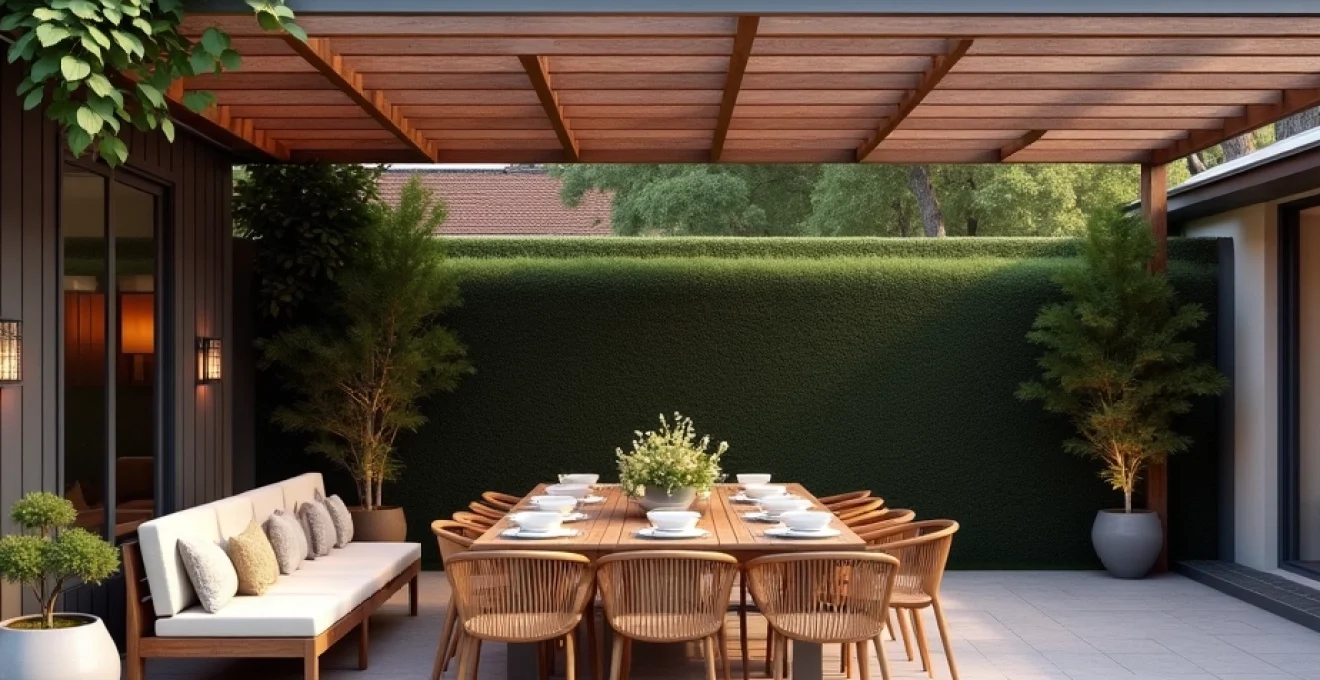
The transformation of outdoor spaces into functional, themed environments has become increasingly sophisticated, moving far beyond simple patio furniture arrangements. Modern homeowners are recognising the potential of their exterior spaces as genuine extensions of their indoor living areas, creating purposeful zones that cater to specific activities and moods. Whether you’re envisioning a Mediterranean-inspired dining terrace, a tranquil Japanese reading nook, or a contemporary Scandinavian lounging area, the key lies in understanding how design elements, materials, and plant selections work together to create cohesive, functional environments.
The rise in outdoor living popularity has been particularly pronounced since recent global events shifted focus towards home-based entertainment and relaxation. Research indicates that 73% of homeowners now consider outdoor spaces as essential living areas rather than occasional-use spaces. This shift has driven innovation in weather-resistant materials, smart outdoor technology, and year-round design solutions that maintain both aesthetic appeal and practical functionality across seasons.
Mediterranean dining terrace design fundamentals and spatial planning
Mediterranean outdoor dining spaces embody the essence of al fresco living , combining warm materials, natural textures, and strategic shade provision to create inviting environments for extended meal times and social gatherings. The foundation of any successful Mediterranean terrace lies in understanding the interplay between hardscaping materials, overhead protection, and the seamless integration of cooking facilities with dining areas.
Spatial planning for Mediterranean dining terraces requires careful consideration of traffic flow patterns, with clear pathways between cooking, serving, and dining zones. The optimal layout positions the main dining area within 3-4 metres of kitchen access points, whilst ensuring adequate space for chairs to be pulled out comfortably. Professional landscape designers recommend allocating approximately 2.5 square metres per dining seat, including circulation space, to prevent the area from feeling cramped during gatherings.
Pergola integration with wisteria and climbing jasmine for natural canopy
Pergola structures serve as the architectural backbone of Mediterranean dining spaces, providing both immediate shade and long-term growing support for fragrant climbing plants. Traditional Mediterranean pergolas typically feature robust timber construction using cedar or treated pine, with cross-beam spacing optimised for plant growth whilst maintaining structural integrity. The ideal pergola height ranges between 2.4 and 3 metres, allowing adequate headroom whilst keeping the canopy low enough to create intimate dining atmosphere.
Wisteria and climbing jasmine represent the quintessential Mediterranean climbing plant combination, offering seasonal interest and natural aromatherapy benefits. Wisteria provides spectacular spring flowering displays, whilst jasmine delivers evening fragrance during summer months. Both species require initial training with wire guides or trellis systems, typically taking 2-3 growing seasons to establish sufficient coverage for effective shade provision.
Travertine and porcelain tile selection for Weather-Resistant flooring
Flooring selection significantly impacts both the visual authenticity and practical performance of Mediterranean dining terraces. Travertine limestone offers unparalleled natural beauty with its characteristic pitted surface and warm colour variations, whilst modern porcelain tiles provide superior durability and maintenance convenience. High-quality travertine typically requires sealing every 12-18 months to maintain weather resistance, whereas premium porcelain alternatives offer similar aesthetics with virtually maintenance-free performance.
Professional installation techniques for Mediterranean flooring emphasise proper drainage systems and thermal expansion accommodation. Substrate preparation should include adequate drainage layers and vapour barriers, particularly important in regions experiencing freeze-thaw cycles. The optimal tile thickness for exterior dining areas ranges from 20-30mm, providing sufficient thermal mass whilst maintaining slip resistance during wet conditions.
Al fresco kitchen integration with Built-In weber genesis barbecue systems
Contemporary Mediterranean outdoor kitchens extend far beyond simple barbecue installations, incorporating comprehensive cooking, preparation, and storage facilities that rival indoor kitchen functionality. Built-in barbecue systems, particularly premium models like Weber Genesis series, require careful integration with surrounding cabinetry, utilities, and ventilation systems. Professional installation ensures proper gas connections, adequate clearance distances, and integration with outdoor kitchen workflows.
Counter space planning around built-in barbecues should provide minimum 60cm preparation areas on each side, with additional serving space positioned within easy reach of dining areas. Weather-resistant cabinetry construction typically utilises marine-grade stainless steel or powder-coated aluminium frameworks with high-density polymer door panels designed to withstand UV exposure and temperature fluctuations without warping or fading.
String lighting and lantern placement for ambient evening illumination
Evening illumination transforms Mediterranean dining terraces from daytime functional spaces into magical evening entertainment venues. String lighting installation requires careful planning to achieve even light distribution whilst avoiding harsh shadows or glare points. Professional lighting designers recommend combining multiple lighting layers: ambient string lights at 2.5-3m height, task lighting for cooking areas, and accent lighting for architectural features or plant displays.
Traditional Mediterranean lantern styles, whether permanent fixtures or portable options, should complement the overall design theme whilst providing practical illumination levels. Solar-powered lanterns offer sustainable operation without electrical infrastructure requirements, whilst low-voltage LED systems provide superior control and energy efficiency for permanent installations. Dimmer controls allow for mood adjustment throughout evening entertainment periods.
Japanese zen garden reading nooks and contemplative retreats
Japanese-inspired outdoor reading spaces prioritise tranquillity, natural materials, and carefully curated plant selections to create environments conducive to contemplation and relaxation. The philosophy behind Zen garden design emphasises simplicity , natural harmony, and the strategic use of negative space to promote mental clarity and stress reduction. These principles translate into outdoor reading nooks that serve as personal sanctuaries away from modern life’s distractions.
The fundamental design approach for Japanese reading retreats involves creating layers of privacy and acoustic dampening through strategic plant placement and natural screening materials. Unlike Mediterranean spaces that celebrate social interaction, Zen reading nooks focus on individual contemplation, requiring intimate scale and subtle design elements that encourage introspection rather than external engagement.
Bamboo screening and ornamental grass boundaries for privacy
Bamboo screening serves dual purposes in Japanese-inspired reading nooks, providing essential privacy whilst contributing to the authentic aesthetic through its natural movement and subtle sound generation. Clumping bamboo varieties such as Fargesia robusta or Bambusa multiplex offer controlled growth patterns without invasive spreading concerns. Professional installation involves root barrier systems and irrigation considerations to maintain healthy growth whilst preventing unwanted expansion.
Ornamental grass selections complement bamboo screening through textural variety and seasonal interest changes. Species such as fountain grass ( Pennisetum ) and Japanese forest grass ( Hakonechloa macra ) provide gentle movement and sound dampening properties that enhance the contemplative atmosphere. Strategic placement creates natural boundaries without harsh geometric lines, maintaining the flowing, organic feel essential to authentic Japanese garden design.
Cedar and teak bench construction with integrated storage solutions
Seating solutions for Japanese reading nooks require careful balance between comfort, aesthetics, and practical functionality. Cedar and teak represent premium choices for outdoor bench construction, offering natural weather resistance and aging characteristics that enhance rather than detract from appearance over time. Traditional Japanese bench designs emphasise clean lines, minimal ornamentation, and proportions that encourage proper posture during extended reading sessions.
Integrated storage solutions within bench construction provide discrete space for reading materials, cushions, and personal items whilst maintaining the clean aesthetic essential to Zen design principles. Hidden storage compartments with moisture-resistant lining protect books and electronics from weather exposure, whilst lift-up seat designs provide easy access without compromising structural integrity or visual simplicity.
Gravel pathways and stepping stone navigation systems
Pathway design in Japanese reading gardens serves both practical navigation and symbolic purposes, representing life’s journey and encouraging mindful movement through the space. Traditional gravel pathway construction utilises specific aggregate sizes and installation techniques to achieve the characteristic raked appearance whilst maintaining comfortable walking surfaces. Professional installation requires proper substrate preparation, edge restraints, and drainage considerations to prevent displacement and maintain definition.
Stepping stone integration creates focal points and rhythm changes within gravel pathways, encouraging slower, more contemplative movement patterns. Natural stone selection should emphasise subtle colour variations and irregular shapes that complement rather than dominate the surrounding landscape. Spacing between stepping stones typically ranges from 45-60cm centre-to-centre, accommodating natural walking stride whilst providing stable foot placement.
Miniature bonsai display arrangements and maintenance requirements
Bonsai displays in outdoor reading nooks require specialised consideration for both aesthetic integration and horticultural requirements. Outdoor bonsai specimens must withstand environmental variations whilst maintaining their artistic form and health. Display systems should incorporate adjustable height platforms, protection from extreme weather conditions, and easy access for daily maintenance requirements including watering, pruning, and seasonal care.
Climate-appropriate species selection ensures long-term success in outdoor display environments. Hardy varieties such as juniper, pine, and deciduous maples typically perform well in British climate conditions with proper winter protection. Seasonal rotation systems allow for indoor protection during extreme weather whilst maintaining visual interest through changing displays throughout the year.
Contemporary lounging areas with scandinavian hygge elements
Scandinavian-inspired outdoor lounging areas embody the concept of hygge – that uniquely Nordic sense of cozy contentment and simple pleasures. These spaces prioritise comfort, natural materials, and understated elegance to create environments that encourage relaxation and social connection throughout extended periods. The design philosophy emphasises functionality without sacrificing aesthetic appeal, resulting in versatile spaces that adapt to various activities and weather conditions.
Contemporary Scandinavian outdoor design integrates modern technologies with traditional comfort principles, incorporating elements such as outdoor cinema systems, smart heating solutions, and weather-resistant storage systems. This approach creates year-round usability whilst maintaining the clean, uncluttered aesthetic that defines Scandinavian style. The key lies in selecting elements that enhance functionality whilst remaining virtually invisible when not in active use.
Rattan modular seating arrangements with sunbrella cushioning
Modular rattan seating systems offer unprecedented flexibility for contemporary outdoor lounging areas, allowing configuration changes to accommodate different group sizes and activities. High-quality synthetic rattan withstands UV exposure and moisture without the maintenance requirements of natural materials, whilst providing authentic texture and appearance. Professional-grade rattan furniture features powder-coated aluminium frames and hand-woven resin rattan that maintains appearance and structural integrity through multiple seasons.
Sunbrella fabric technology represents the premium standard for outdoor cushioning, offering fade resistance, water repellency, and easy maintenance characteristics essential for year-round outdoor use. Cushion design should incorporate quick-dry foam cores and ventilation systems to prevent moisture retention and mildew development. Modular cushioning allows for easy cleaning, seasonal storage, and replacement of individual components without complete system replacement.
Fire bowl integration and safe propane connection protocols
Fire bowl integration extends outdoor lounging season capability whilst creating natural gathering focal points that embody Scandinavian hygge principles. Modern fire bowl designs incorporate safety features such as automatic ignition systems, wind guards, and emergency shut-off controls whilst maintaining clean aesthetic lines. Professional installation requires proper clearance distances, heat-resistant surface protection, and compliance with local fire safety regulations.
Propane connection systems for fire bowls must adhere to strict safety protocols, including professional gas line installation, pressure regulation, and leak detection systems. Underground gas line installation provides clean appearance whilst ensuring safety and reliability, typically requiring qualified gas engineer certification for compliance with building regulations. Regular safety inspections and maintenance schedules ensure continued safe operation throughout the system’s operational life.
Weather-resistant throw storage in galvanised steel containers
Scandinavian outdoor design principles emphasise both comfort and practicality, requiring storage solutions that maintain aesthetic appeal whilst protecting textiles and accessories from weather exposure. Galvanised steel storage containers offer superior weather resistance and industrial aesthetic that complements contemporary outdoor design themes. Professional galvanising processes provide long-term corrosion protection, whilst powder coating options allow colour customisation to match existing design elements.
Interior storage organisation systems maximise capacity whilst providing easy access to frequently used items such as throws, cushions, and outdoor entertainment accessories. Moisture management through ventilation systems and desiccant packets prevents textile damage, whilst modular organisation solutions accommodate varying item sizes and seasonal rotation requirements.
Strategic storage placement ensures easy access during use whilst maintaining clean sight lines when containers remain closed, supporting the minimalist aesthetic essential to Scandinavian design principles.
Outdoor cinema setup with epson projector weatherproofing
Outdoor cinema systems transform contemporary lounging areas into versatile entertainment venues, extending usability beyond simple relaxation activities. Professional-grade projectors such as Epson models require comprehensive weatherproofing systems to protect sensitive electronics from moisture, temperature fluctuations, and dust exposure. Retractable housing systems provide complete protection whilst allowing rapid deployment for entertainment sessions.
Screen installation options range from permanent tensioned screens to portable alternatives that integrate with existing structures or landscape elements. Professional installation ensures optimal viewing angles, ambient light management, and acoustic considerations for neighbourhood compatibility. Power management systems incorporating weatherproof outlets and cable management solutions maintain safety whilst preserving clean aesthetic lines throughout the lounging area.
Plant selection and horticultural zoning for themed environments
Successful themed outdoor spaces rely heavily on appropriate plant selections that not only survive local climate conditions but actively contribute to the intended atmosphere and aesthetic goals. Understanding horticultural zoning principles enables designers and homeowners to create authentic plant communities that require minimal maintenance whilst providing maximum visual impact throughout multiple seasons.
Mediterranean plant selections typically emphasise drought-tolerant species with aromatic foliage and seasonal flowering displays. Key species include lavender varieties, rosemary, olive trees, and citrus plants where climate permits. These selections create sensory experiences through fragrance and texture whilst requiring minimal water input once established. Japanese-inspired spaces favour species with subtle seasonal changes, interesting bark textures, and flowing growth habits, such as Japanese maples, ornamental grasses, and evergreen shrubs with natural pruning tolerance.
Scandinavian plant themes prioritise hardy perennials, native grasses, and structural evergreens that provide year-round interest without excessive maintenance requirements. Birch species, conifers, and hardy perennials such as sedum and ornamental alliums create authentic Nordic atmosphere whilst thriving in British climate conditions. Understanding each plant’s mature size, growth rate, and maintenance requirements prevents future problems and ensures long-term design success.
Climate adaptation represents perhaps the most critical factor in plant selection, as even the most aesthetically appropriate species will fail to contribute positively to themed environments if they cannot thrive in local conditions.
Seasonal interest planning ensures themed outdoor spaces maintain visual appeal throughout the year rather than peaking during single seasons. This requires understanding flowering periods, foliage changes, bark interest, and evergreen structure to create layered interest that evolves naturally. Professional landscape designers typically recommend the “four-season” approach, ensuring each themed area includes elements that provide interest during spring, summer, autumn, and winter periods.
Weatherproofing and seasonal adaptability systems
British climate conditions present unique challenges for outdoor living spaces, requiring comprehensive weatherproofing strategies that maintain functionality and aesthetic appeal throughout unpredictable seasonal variations. Modern weatherproofing extends beyond simple rain protection to encompass wind management, temperature fluctuation accommodation, and UV protection systems that preserve materials and extend equipment lifespan.
Fabric protection systems represent critical components of seasonal adaptability, particularly for spaces featuring premium outdoor textiles and cushioning materials. Retractable canopy systems provide on-demand weather protection whilst allowing full sun exposure during favourable conditions. Professional-grade awning systems incorporate wind sensors and automatic retraction capabilities to prevent damage during unexpected weather changes, whilst manual override systems ensure user control during marginal conditions.
Drainage management prevents water accumulation that can damage hardscaping materials and create safety hazards during freezing conditions. French drain systems, permeable paving options, and strategic grading ensure water moves away from living spaces whilst preventing erosion and foundation problems. Professional drainage design considers both immediate runoff management and long-term soil stability to protect investment in hardscaping and structural elements.
Heating solutions extend usability periods significantly, with options ranging from portable patio heaters to permanent radiant heating systems integrated into flooring or overhead structures. Electric radiant systems offer precise temperature control and minimal visual impact, whilst gas-powered options provide rapid heating for immediate comfort. Smart control systems allow remote operation and scheduling to optimise energy usage whilst ensuring spaces reach comfortable temperatures before use.
Winter protection protocols preserve vulnerable elements during extreme weather conditions. This includes seasonal furniture storage, plant protection systems, and equipment winterisation procedures that prevent freeze damage to irrigation systems, water features, and electronic components. Professional maintenance schedules ensure all systems receive appropriate seasonal attention to prevent costly damage and extend operational lifespan.
Electrical infrastructure and smart home integration for outdoor spaces
Modern outdoor themed spaces increasingly rely on sophisticated electrical infrastructure to support lighting systems, entertainment equipment, heating solutions, and smart automation technologies. Professional electrical planning must consider both immediate requirements and future expansion possibilities, ensuring adequate power distribution whilst maintaining safety standards and aesthetic integration. Ground fault circuit interrupter (GFCI) protection represents the minimum safety requirement for all outdoor electrical installations, whilst surge protection systems safeguard expensive equipment from weather-related power fluctuations.
Smart home integration transforms traditional outdoor spaces into responsive environments that adapt to user preferences and environmental conditions automatically. Weather sensors can trigger retractable awnings during sudden downpours, whilst occupancy detection systems adjust lighting and heating based on actual usage patterns. Professional installation typically incorporates dedicated network infrastructure to ensure reliable connectivity for smart devices, avoiding the limitations of extended Wi-Fi ranges that often plague outdoor technology implementations.
Load calculation and circuit planning require professional assessment to prevent overloading and ensure reliable operation during peak usage periods. Mediterranean dining areas with comprehensive outdoor kitchens may require 50-amp service for built-in appliances, whilst Japanese reading nooks might need only basic lighting circuits and occasional device charging capabilities. Scandinavian lounging areas with cinema systems and heating elements typically fall between these extremes, requiring careful balance between power availability and infrastructure discretion.
Underground cable routing provides the most aesthetically pleasing solution for power distribution, though installation costs significantly exceed surface-mounted alternatives. Professional installation utilises appropriate cable ratings for direct burial applications, with adequate depth and protection systems to prevent damage from garden maintenance activities. Strategic placement of weatherproof outlet boxes ensures convenient access whilst maintaining clean sight lines essential to themed design aesthetics.
Smart irrigation integration represents an often-overlooked electrical consideration that can dramatically improve plant health whilst reducing maintenance requirements, particularly important for themed spaces relying on specific plant communities for authentic atmosphere.
Control system centralisation allows comprehensive management of multiple outdoor zones from single interface points, whether through dedicated control panels or smartphone applications. Professional-grade systems incorporate backup power options and fail-safe protocols to ensure essential systems continue operating during power interruptions. Integration with existing home automation platforms enables seamless coordination between indoor and outdoor environmental controls, creating truly unified living experiences that extend seamlessly beyond traditional indoor boundaries.