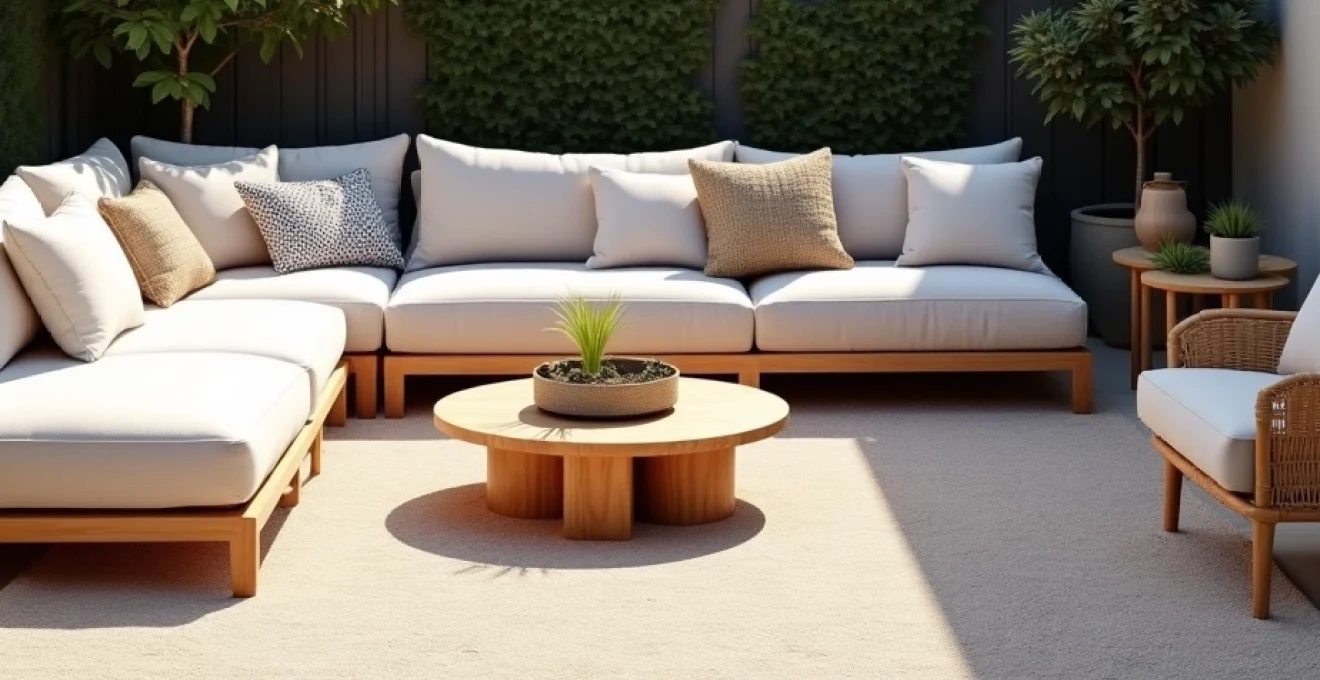
The art of transforming outdoor spaces into inviting retreat sanctuaries has evolved significantly, with layered textiles emerging as the cornerstone of successful outdoor design. Modern homeowners increasingly recognise that creating truly comfortable exterior environments requires more than simply placing furniture under the sky. The strategic application of weather-resistant fabrics, combined with thoughtful layering techniques, can transform even the most exposed garden corner into a welcoming haven that rivals indoor comfort levels.
Professional landscape designers and outdoor living specialists understand that textiles serve multiple functions in exterior environments. Beyond their obvious aesthetic contributions, carefully selected fabrics provide essential protection from harsh weather conditions, regulate temperature through strategic ventilation, and create psychological barriers that enhance privacy and intimacy. The challenge lies in achieving these functional benefits whilst maintaining the visual appeal that makes outdoor spaces genuinely inviting.
Textile selection fundamentals for Weather-Resistant outdoor comfort zones
Selecting appropriate textiles for outdoor applications requires understanding the unique challenges that exterior environments present. Unlike interior fabrics, outdoor textiles must withstand constant exposure to ultraviolet radiation, temperature fluctuations, moisture variations, and environmental contaminants whilst maintaining their structural integrity and visual appeal over extended periods.
Performance fabric technologies: sunbrella, crypton, and Solution-Dyed acrylic properties
Modern performance fabrics represent decades of technological advancement in textile manufacturing. Sunbrella fabrics utilise solution-dyed acrylic fibres that incorporate colour pigments directly into the polymer structure, creating exceptional fade resistance and colour retention. This manufacturing process ensures that colours remain vibrant even after years of continuous sun exposure, making these fabrics ideal for permanent outdoor installations.
Crypton technology takes a different approach, focusing on stain resistance and easy maintenance through proprietary liquid barrier treatments. These fabrics feature microscopic protective coatings that prevent liquids from penetrating the fibre structure whilst maintaining breathability. The result is textiles that can withstand spills, pet accidents, and environmental moisture without developing permanent stains or odours.
Solution-dyed acrylic materials offer superior performance characteristics compared to piece-dyed alternatives. The integration of colour during the fibre production process creates deeper, more consistent hues that resist fading, washing out, or colour bleeding. Additionally, these fabrics typically demonstrate enhanced resistance to mould and mildew growth , making them particularly suitable for humid climates or areas with limited air circulation.
Natural fibre integration: hemp, linen, and organic cotton weatherproofing techniques
Natural fibres bring unmatched texture and environmental sustainability to outdoor textile applications, though they require careful treatment to achieve adequate weather resistance. Hemp fibres offer exceptional durability and naturally possess antimicrobial properties, making them increasingly popular for outdoor cushioning and upholstery applications. When properly treated with water-repellent finishes, hemp textiles can provide years of reliable outdoor service whilst developing attractive patina over time.
Linen textiles create sophisticated outdoor environments through their distinctive texture and breathability characteristics. Modern weatherproofing treatments for linen involve applying hydrophobic coatings that penetrate the fibre structure without significantly altering the fabric’s natural drape or texture. These treatments typically include UV-blocking compounds that help preserve the natural colour variations that make linen so visually appealing.
Organic cotton requires the most comprehensive weatherproofing treatment among natural fibres. Successful outdoor cotton applications involve multi-stage treatment processes including pre-shrinking, UV protection application, water-repellent coating, and antimicrobial treatment. The investment in proper treatment pays dividends through extended fabric life and maintained comfort characteristics that synthetic alternatives often cannot match.
UV protection ratings and Fade-Resistance standards for outdoor textile applications
Understanding UV protection ratings is crucial for selecting textiles that will maintain their appearance and structural integrity over time. The Ultraviolet Protection Factor (UPF) rating system measures how effectively fabrics block harmful UV radiation, with ratings typically ranging from UPF 15 to UPF 50+. For outdoor applications, specialists recommend fabrics with minimum UPF 30 ratings, though UPF 50+ provides optimal protection for both the fabric and individuals using the space.
Fade-resistance testing follows standardised protocols that simulate years of sun exposure in accelerated timeframes. The industry standard AATCC Test Method 16 provides reliable predictions of how fabrics will perform under continuous outdoor exposure. High-quality outdoor fabrics should demonstrate minimal colour change after 1,000 hours of accelerated weathering, equivalent to approximately three to five years of typical outdoor exposure depending on geographic location and installation conditions.
Water-repellent treatment options: DWR coatings versus inherent hydrophobic materials
Water management in outdoor textiles involves two primary approaches: applied treatments and inherently hydrophobic materials. Durable Water Repellent (DWR) coatings create microscopic surface textures that cause water to bead and roll off fabric surfaces rather than penetrating the fibre structure. These treatments typically last 2-5 years depending on exposure conditions and maintenance practices, requiring periodic reapplication to maintain effectiveness.
Inherently hydrophobic materials like solution-dyed acrylics and certain synthetic fibres resist water absorption through their fundamental molecular structure. These materials offer more consistent long-term performance since their water-resistant properties cannot wash out or wear away over time. However, they may require additional treatments to achieve optimal stain resistance and easy cleaning characteristics.
Mould and mildew prevention through antimicrobial textile treatments
Antimicrobial treatments represent essential components of comprehensive outdoor textile systems, particularly in humid climates or areas with limited air circulation. Modern antimicrobial technologies utilise silver ion treatments, zinc-based compounds, or quaternary ammonium compounds to prevent microbial growth without affecting fabric texture or appearance. These treatments typically remain effective for the fabric’s entire service life when properly applied during manufacturing.
The effectiveness of antimicrobial treatments depends heavily on proper fabric care and maintenance practices. Regular cleaning removes organic matter that can feed microbial growth, whilst adequate ventilation prevents moisture accumulation that creates favourable conditions for mould and mildew development . Understanding these relationships helps ensure that antimicrobial treatments provide their intended protective benefits over extended periods.
Strategic layering methodologies for temperature regulation and visual depth
Successful textile layering in outdoor environments requires understanding both thermal dynamics and visual composition principles. The goal extends beyond simply adding multiple fabric layers; rather, it involves creating integrated systems that respond to changing environmental conditions whilst maintaining aesthetic appeal throughout varying weather patterns.
Base layer foundation principles: Heavy-Duty outdoor rugs and ground coverings
The foundation layer establishes both the visual and functional baseline for layered textile systems. Heavy-duty outdoor rugs serve multiple critical functions: they define spatial boundaries, provide comfort underfoot, protect underlying surfaces, and create visual anchors that unify other design elements. Modern outdoor rugs utilise polypropylene, polyester, or treated natural fibres that resist moisture absorption, UV degradation, and staining whilst maintaining attractive appearance characteristics.
Proper rug selection involves considering both drainage and durability requirements. Rugs with open weave constructions promote air circulation and water drainage, preventing moisture accumulation that can lead to odour development or structural damage. Additionally, rugs with integrated drainage channels or raised pile constructions help manage water runoff during precipitation events whilst maintaining comfortable walking surfaces.
The size and placement of foundation rugs significantly impact the overall success of outdoor comfort zones. Industry best practices recommend rugs that extend at least 24 inches beyond seating areas on all sides, creating visual cohesion and ensuring that foot traffic occurs on protected surfaces. This sizing approach also provides flexibility for furniture rearrangement without compromising the design’s visual integrity.
Mid-layer cushioning systems: memory foam weather guards and Quick-Dry inserts
Mid-layer cushioning systems bridge the gap between foundational elements and decorative accents, providing essential comfort whilst addressing practical performance requirements. Modern outdoor cushioning incorporates advanced materials like weather-resistant memory foam that maintains supportive characteristics despite temperature variations and moisture exposure. These materials typically feature open-cell structures that promote drainage whilst providing superior comfort compared to traditional outdoor cushioning options.
Quick-dry inserts represent significant innovations in outdoor comfort technology. These systems utilise engineered materials that rapidly wick moisture away from surface contact points, allowing cushions to return to comfortable conditions within hours of precipitation events. The technology typically involves layered constructions combining moisture-wicking fabrics, breathable spacer materials, and rapid-drainage foam cores.
Weather guard systems protect underlying cushioning materials from direct exposure whilst maintaining breathability and comfort. These systems often incorporate removable, washable covers that can be easily maintained or replaced as needed. The dual-cover approach allows for seasonal variation in fabric choices whilst protecting investment in higher-quality cushioning components.
Top layer accent placement: throw pillow arrangements and seasonal textile rotation
Top layer accents provide opportunities for personalisation, seasonal adaptation, and visual interest variation. Throw pillow arrangements should follow design principles that create visual balance whilst providing functional comfort enhancement. Professional designers typically recommend odd-numbered groupings with varied sizes and textures to create dynamic visual compositions that remain interesting from multiple viewing angles.
Seasonal textile rotation strategies allow outdoor spaces to maintain fresh, current appearances throughout the year without requiring complete redesign. This approach involves maintaining core foundation and mid-layer elements whilst varying accent colours, patterns, and textures to reflect seasonal preferences and weather requirements. Spring and summer rotations might emphasise lighter colours and breathable fabrics, whilst autumn and winter selections focus on richer tones and more substantial textures.
Thermal regulation through breathable mesh panels and ventilation channels
Advanced thermal regulation systems incorporate engineered ventilation features that promote air circulation whilst maintaining weather protection. Breathable mesh panels can be strategically integrated into cushioning systems to enhance airflow without compromising structural support or visual appeal. These panels typically utilise synthetic mesh materials that resist UV degradation and maintain dimensional stability under varying tension loads.
Ventilation channels serve dual functions by promoting air circulation and facilitating moisture drainage. These features can be incorporated into both cushioning and covering systems through careful design and manufacturing processes. The channels must be sized appropriately to provide effective air movement whilst preventing the accumulation of debris that could impede their function over time.
Colour psychology and pattern coordination for outdoor living spaces
The psychological impact of colour in outdoor environments differs significantly from interior applications due to the influence of natural lighting conditions and surrounding landscape elements. Successful outdoor colour schemes must account for changing light conditions throughout the day, seasonal variations in natural surroundings, and the psychological associations that different colours create in exterior settings.
Warm colour palettes including terracotta, warm greys, and muted oranges create inviting, intimate atmospheres that encourage relaxation and social interaction. These colours appear particularly effective during evening hours when artificial lighting can enhance their welcoming characteristics. However, warm colours may appear overwhelming during peak daylight hours in sunny climates, requiring careful balance with cooler accent tones.
Cool colour schemes featuring blues, greens, and purples create calming environments that complement natural landscape elements. These colours maintain their appeal across varying lighting conditions and tend to create psychological associations with tranquillity and restoration. Cool colours also tend to make spaces appear larger and more open, beneficial characteristics for smaller outdoor areas or urban environments with limited privacy.
Pattern coordination in outdoor settings requires understanding how natural elements interact with designed patterns. Large-scale patterns can compete with surrounding landscape elements, whilst overly small patterns may disappear in outdoor lighting conditions. Geometric patterns tend to maintain their visual impact more effectively than organic patterns in outdoor applications, though the specific choice should reflect the overall design aesthetic and surrounding architectural elements.
Neutral base colours provide flexibility for seasonal accent changes whilst ensuring long-term design cohesion. Beige, grey, and natural linen tones create sophisticated foundations that complement both warm and cool accent colours. This approach allows for significant seasonal variation in accent elements without requiring changes to major investment pieces like large cushions or rugs.
The most successful outdoor colour schemes create harmony between designed elements and natural surroundings whilst providing sufficient visual interest to encourage regular use and enjoyment of the space.
Maintenance protocols for longevity of layered outdoor textile systems
Comprehensive maintenance protocols significantly extend textile service life whilst preserving both functional performance and aesthetic appeal. Understanding the specific requirements of different fabric types and treatment systems enables property owners to maximise their investment whilst minimising replacement costs and maintenance effort over time.
Cleaning schedules for different fabric types: weekly, monthly, and seasonal maintenance
Weekly maintenance routines focus on preventing the accumulation of surface contaminants that can lead to permanent staining or fabric degradation. For high-performance synthetic fabrics, weekly maintenance typically involves brushing away loose debris, spot-cleaning visible stains, and repositioning cushions to ensure even wear patterns. Natural fibre textiles may require more frequent attention, particularly in dusty environments or areas with heavy pollen production.
Monthly maintenance protocols address deeper cleaning requirements and system performance evaluation. This includes thorough washing of removable covers, inspection of cushioning integrity, and assessment of water-repellent treatment effectiveness. Monthly maintenance provides opportunities to identify developing problems before they require major intervention or replacement of expensive components.
Seasonal maintenance routines prepare textile systems for changing weather conditions whilst addressing accumulated wear and environmental damage. These protocols typically include comprehensive cleaning of all textile elements, reapplication of protective treatments as needed, and strategic storage of seasonal elements. Professional cleaning may be appropriate for valuable or heavily soiled items that cannot be adequately cleaned through routine maintenance procedures.
Storage solutions: waterproof containers and Climate-Controlled indoor rotation
Proper storage significantly extends textile service life by protecting materials from unnecessary environmental exposure during periods of non-use. Waterproof containers should provide complete moisture protection whilst allowing adequate ventilation to prevent condensation accumulation. Container materials must resist UV degradation and maintain structural integrity under varying temperature conditions.
Climate-controlled storage represents the optimal solution for valuable textile investments, though it may not be practical for all property owners. Indoor storage in temperature-controlled environments eliminates most environmental stress factors, significantly extending fabric life and maintaining appearance characteristics. This approach works particularly well for seasonal rotation systems where some textiles are always in protected storage.
Spot treatment techniques for common outdoor stains and environmental damage
Effective spot treatment requires immediate attention and appropriate cleaning agents for specific stain types. Organic stains from food, beverages, or plant materials typically respond well to enzyme-based cleaners that break down protein and carbohydrate structures. Oil-based stains require different approaches, often involving solvent-based cleaning agents followed by thorough rinsing to prevent residue accumulation.
Environmental damage including UV fading, water spotting, and mineral deposits requires specialised treatment approaches. UV damage often cannot be reversed, emphasising the importance of preventive measures including proper fabric selection and protective treatments. Water spotting and mineral deposits can often be addressed through careful cleaning with appropriate pH-balanced solutions followed by thorough rinsing and rapid drying.
Professional restoration services: when to engage textile cleaning specialists
Professional intervention becomes appropriate when staining or damage exceeds the scope of routine maintenance procedures. Specialists possess access to commercial-grade cleaning equipment, specialised cleaning agents, and restoration techniques that are not practical for property owner application. Professional services can often restore textiles that appear beyond salvage through routine cleaning methods.
The cost-benefit analysis of professional cleaning depends on textile value, replacement costs, and the extent of required restoration work. High-value items including custom cushioning, designer fabrics, or large rugs often justify professional cleaning costs compared to replacement expenses. Additionally, professional cleaning can extend the service life of moderately priced items, improving the overall return on textile investments.
Professional restoration services often achieve results that exceed property owner expectations, transforming textiles that appeared beyond salvage into items with years of remaining service life.
Installation techniques for securing textiles in variable weather conditions
Proper textile installation ensures that layered systems maintain their intended configuration despite wind, precipitation, and temperature variations. Understanding fastening systems, drainage requirements, and movement accommodation enables property owners to create stable, long-lasting outdoor comfort zones that function reliably throughout varying seasonal conditions.
Wind resistance requires strategic anchoring systems that secure textiles without creating unsightly or uncomfortable hardware installations. Modern anchoring systems utilise low-profile fasteners, weighted edges, and tensioned attachment points that maintain fabric positioning whilst allowing controlled movement that prevents stress concentration and fabric failure. The specific anchoring approach depends on textile weight, surface area, and typical wind exposure for the installation location.
Drainage accommodation ensures that water management does not compromise textile positioning or create uncomfortable conditions during and after precipitation events. Proper installation techniques include creating appropriate slopes for water
runoff, promoting rapid drying, and preventing water pooling that can create uncomfortable seating conditions or promote microbial growth in cushioning materials.
Temperature accommodation involves selecting installation methods that allow for thermal expansion and contraction without creating stress points that could lead to fabric failure. This includes using flexible fastening systems, providing adequate clearance around fixed attachment points, and selecting hardware materials that exhibit similar thermal expansion characteristics to the textile materials they secure.
Modular installation approaches provide maximum flexibility for adapting textile configurations to changing weather conditions and usage requirements. These systems typically utilise standardised attachment points, interchangeable components, and tool-free adjustment mechanisms that enable rapid reconfiguration without requiring specialised knowledge or equipment.
Budget-conscious sourcing strategies for premium outdoor textile collections
Developing comprehensive outdoor textile systems requires balancing quality requirements with budgetary constraints, though strategic sourcing approaches can significantly reduce costs without compromising performance or aesthetic appeal. Understanding market dynamics, seasonal pricing patterns, and alternative sourcing channels enables property owners to acquire premium textiles at substantially reduced costs compared to traditional retail pricing.
End-of-season clearance sales represent optimal opportunities for acquiring high-quality outdoor textiles at substantial discounts. Retailers typically clear outdoor inventory during late summer and early autumn periods, offering discounts of 40-70% on premium fabric collections. Planning textile purchases around these seasonal patterns allows for significant cost savings whilst ensuring access to current design trends and colour palettes.
Contract and commercial textile sources often provide superior quality and value compared to residential retail channels. Many commercial suppliers sell directly to consumers, offering access to performance fabrics typically reserved for hospitality and commercial applications. These sources often provide volume pricing advantages even for residential quantities, particularly when coordinating purchases with neighbours or community groups.
Factory seconds and overstock materials can provide exceptional value for budget-conscious buyers willing to accept minor aesthetic imperfections that do not affect performance characteristics. These materials typically feature slight colour variations, minor weaving irregularities, or discontinued patterns that have no impact on durability or weather resistance. Careful inspection ensures that any imperfections are acceptable for the intended application whilst achieving substantial cost savings.
Textile remnants and end-of-bolt materials work particularly well for accent pieces, small cushions, and layering elements where exact pattern matching is not critical. Many specialty fabric retailers maintain remnant sections offering premium materials at significantly reduced prices. These sources require flexibility in design planning but can provide access to luxury textiles that would otherwise exceed budget constraints.
Direct manufacturer relationships can provide significant advantages for larger projects or coordinated neighbourhood initiatives. Many textile manufacturers offer direct sales programmes that eliminate retail markup whilst providing access to complete product lines and custom sizing options. Building relationships with manufacturer representatives can lead to notification of special promotions, discontinued pattern availability, and volume pricing opportunities.
Phased implementation strategies allow property owners to spread costs over multiple seasons whilst building comprehensive textile systems gradually. This approach involves prioritising essential foundation elements during initial phases, then adding accent pieces and refinements as budget allows. Phased implementation also provides opportunities to evaluate performance and aesthetic success before committing to complete system purchases.
Group purchasing initiatives with neighbours or community members can unlock volume pricing advantages typically available only to commercial buyers. Coordinating textile purchases allows participants to access wholesale pricing, share shipping costs, and negotiate better terms with suppliers. These initiatives require coordination and advance planning but can provide substantial cost savings for all participants.
Strategic sourcing approaches can reduce outdoor textile costs by 30-60% compared to traditional retail purchasing whilst maintaining access to premium performance fabrics and current design trends.
Quality assessment skills become essential when pursuing budget-conscious sourcing strategies, as lower prices may sometimes reflect inferior materials or treatments. Understanding fabric specifications, treatment types, and performance ratings enables informed decision-making that balances cost savings with long-term value. Investment in initially higher-quality materials often provides superior total cost of ownership through extended service life and reduced maintenance requirements.
Timing considerations significantly impact both pricing and selection availability across different sourcing channels. Early spring often provides optimal selection as retailers introduce new seasonal collections, whilst late summer offers maximum discount opportunities as inventory clearance begins. Understanding these timing patterns enables strategic purchasing decisions that maximise both selection and value opportunities.
Alternative retail channels including online marketplaces, estate sales, and architectural salvage sources can provide unique opportunities for acquiring premium textiles at substantial discounts. These channels require more intensive searching and evaluation but often yield exceptional finds that combine superior quality with distinctive aesthetic character not available through traditional retail sources.