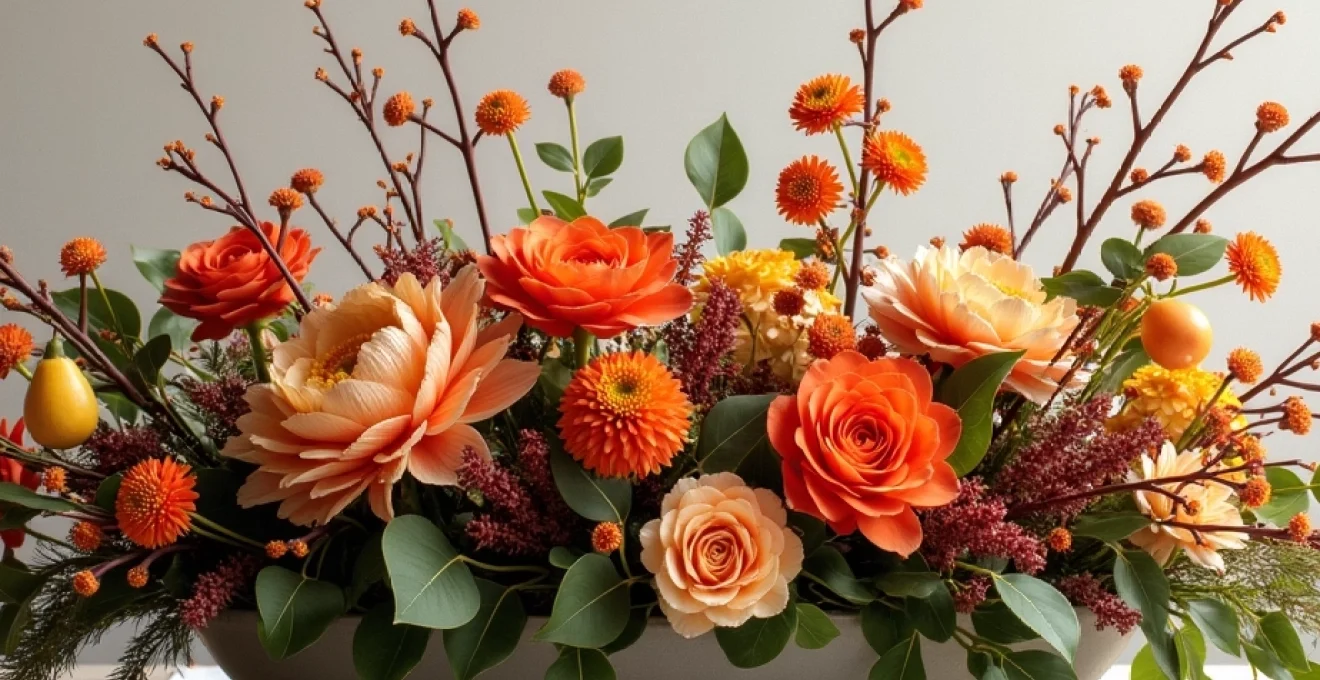
The art of crafting seasonal centerpieces extends far beyond simply arranging flowers in a vase. Whether you’re preparing for an intimate family dinner or a grand celebration, the perfect centerpiece serves as the visual anchor that ties your entire table setting together. From spring’s delicate pastels to winter’s rich textures, understanding how to create arrangements that adapt to both seasonal changes and various occasions ensures your dining experiences remain memorable throughout the year. The key lies in mastering fundamental design principles while incorporating natural elements that speak to each season’s unique character.
Seasonal design principles for Multi-Occasion table centrepieces
Creating versatile centerpieces requires a deep understanding of design fundamentals that transcend seasonal boundaries. The most successful arrangements balance visual weight, incorporate complementary textures, and maintain proper proportions regardless of whether you’re hosting a casual brunch or formal dinner party. Professional florists and interior designers consistently apply these core principles to achieve arrangements that feel both intentional and effortlessly elegant.
Colour theory applications using pantone seasonal palettes
Contemporary color theory plays a crucial role in developing centerpieces that feel current and sophisticated. Pantone’s seasonal color forecasts provide excellent guidance for creating arrangements that reflect contemporary design trends while maintaining timeless appeal. Spring palettes typically feature soft greens, coral tones, and lavender hues, while autumn arrangements benefit from rich burgundies, golden yellows, and deep forest greens.
The triadic color scheme proves particularly effective for centerpieces, as it creates visual interest without overwhelming the dining experience. Consider how warm amber tones pair beautifully with deep purple accents and sage green foliage during autumn, or how spring’s fresh yellow daffodils complement violet pansies and blue-green eucalyptus. Understanding these relationships allows you to create arrangements that feel cohesive across different seasonal transitions.
Scale and proportion guidelines for round vs rectangular tables
Table shape significantly influences centerpiece design, with round tables requiring different approaches than their rectangular counterparts. Round dining surfaces benefit from circular or dome-shaped arrangements that mirror the table’s geometry, while rectangular tables accommodate linear designs that emphasize length rather than height. The golden ratio principle suggests that centerpieces should occupy approximately one-third of the table’s surface area, leaving adequate space for place settings and serving dishes.
For round tables measuring 48 inches in diameter, centerpieces should ideally span 16 inches across and remain under 14 inches in height to maintain sight lines across the table. Rectangular tables offer more flexibility, allowing for multiple smaller arrangements spaced evenly along the center axis or single elongated designs that create visual flow from end to end.
Height dynamics: creating visual interest with varying elevations
Strategic height variation transforms flat, monotonous arrangements into dynamic displays that capture attention from multiple angles. The most effective centerpieces incorporate elements at three distinct levels: foundational components that rest directly on the table surface, mid-level elements that provide substance and color, and elevated focal points that draw the eye upward. This layered approach creates depth and dimension while ensuring the arrangement remains visually engaging from every seat around the table.
Professional designers often employ the rule of odds when determining heights, using arrangements of 8, 12, and 18 inches to create pleasing proportional relationships. Candles, branches, and tall flowers serve as excellent height anchors, while lower elements like stones, fruits, and trailing greenery provide visual weight at the table level.
Texture layering techniques for autumnal and winter arrangements
Seasonal centerpieces achieve their most dramatic impact through thoughtful texture combinations that reflect each season’s distinctive characteristics. Autumn arrangements benefit from incorporating rough bark textures, smooth gourds, and feathery grasses that echo the season’s transitional nature. Winter displays gain sophistication through contrasting elements like glossy holly leaves against matte pinecones, or smooth metallic accents paired with organic berry clusters.
The key to successful texture layering lies in balancing opposing elements: pairing smooth surfaces with rough textures, combining matte finishes with glossy accents, and juxtaposing fine details with bold, structural elements. This approach prevents arrangements from appearing flat or one-dimensional while creating visual interest that rewards closer examination.
Natural element selection and preservation methods
Working with natural materials requires understanding both their aesthetic potential and practical limitations. Fresh flowers, branches, and foliage offer unparalleled beauty but demand specific care techniques to maintain their appearance throughout your event. Preservation methods extend the lifespan of natural elements while maintaining their visual appeal, making them more practical for extended celebrations or recurring table displays.
Foliage preservation using glycerine solution treatment
Glycerine preservation transforms fresh foliage into long-lasting decorative elements that maintain their flexibility and natural appearance for months. This chemical replacement process substitutes water within plant tissues with glycerine, preventing dehydration while preserving color and texture. Eucalyptus, magnolia leaves, and beech branches respond particularly well to this treatment, developing rich, lustrous finishes that enhance their decorative value.
The preservation process requires submerging fresh-cut stems in a solution of one part glycerine to two parts warm water for 3-6 days, depending on the material’s thickness. Properly treated foliage develops a supple, leather-like texture that resists breakage while maintaining natural color variations. This technique proves invaluable for creating centerpieces that must withstand extended display periods or frequent handling during multi-day celebrations.
Seasonal flower varieties: dahlias, chrysanthemums, and hellebores
Selecting appropriate flower varieties ensures your centerpieces reflect seasonal authenticity while providing optimal performance throughout your event. Dahlias offer exceptional value during late summer and early autumn, providing bold colors and substantial blooms that serve as excellent focal points. Their sturdy stems and long vase life make them ideal for arrangements that must maintain their appearance for several days.
Chrysanthemums represent autumn’s quintessential flower, available in countless varieties that range from delicate button mums to dramatic spider types. Their natural longevity and resistance to wilting make them practical choices for extended celebrations. Winter arrangements benefit from incorporating hellebores, whose subtle beauty and exceptional cold tolerance provide elegant solutions when other flowers remain unavailable or prohibitively expensive.
Branch architecture: incorporating dogwood, birch, and willow
Architectural branches provide structural foundations that transform simple flower arrangements into sophisticated displays with genuine visual impact. Dogwood branches offer delicate, angular profiles that complement both spring and winter arrangements, while their potential for forcing early blooms adds seasonal flexibility. Birch branches contribute clean, contemporary lines that work equally well in rustic and modern settings, their pale bark providing neutral backdrops for colorful accent materials.
Curly willow branches introduce organic movement that softens rigid arrangements while adding height without overwhelming delicate flowers. Their natural curves create visual flow that guides the eye throughout the display, while their flexibility allows for custom shaping to accommodate specific design requirements. Proper conditioning through overnight soaking ensures maximum flexibility and longevity.
Fruit and vegetable integration: persimmons, pomegranates, and ornamental gourds
Incorporating seasonal produce adds authenticity and unexpected sophistication to centerpiece designs while providing cost-effective alternatives to expensive exotic flowers. Persimmons offer brilliant orange hues that complement autumn color schemes while their waxy surfaces reflect candlelight beautifully. Their firm texture and attractive shape make them excellent standalone elements or striking accents within larger arrangements.
Pomegranates contribute rich symbolism alongside their deep red coloration, representing abundance and prosperity across many cultural traditions. Their substantial weight and interesting crown details provide excellent contrast to lighter floral elements. Ornamental gourds extend the seasonal palette with their varied shapes, sizes, and surface textures, offering endless opportunities for creative arrangement while celebrating harvest season’s natural bounty.
Container selection and structural foundation systems
The foundation of any successful centerpiece lies in selecting appropriate containers and establishing reliable structural systems that support your design vision throughout the entire event. Modern centerpiece construction extends beyond traditional vases to encompass innovative support systems that accommodate complex arrangements while remaining invisible to guests. Understanding various foundation options allows you to create ambitious designs that maintain their integrity regardless of environmental conditions or handling requirements.
Floral foam alternatives: kenzan pin holders and chicken wire techniques
Contemporary floral design increasingly moves away from traditional floral foam toward more sustainable and versatile support systems. Kenzan pin holders provide exceptional stability for heavy branches and substantial flower stems while allowing for precise placement and easy repositioning during arrangement construction. These weighted metal bases feature numerous sharp pins that secure stems firmly without damaging delicate tissues, making them ideal for arrangements requiring structural integrity over extended periods.
Chicken wire crumpled into loose balls creates flexible support networks that accommodate stems of varying thicknesses while maintaining natural movement within arrangements. This technique proves particularly effective for mixed arrangements combining flowers, branches, and foliage of different weights and textures. The wire’s malleable nature allows for custom shaping to fit specific container requirements while providing multiple anchor points throughout the arrangement.
Professional designers often combine multiple support systems within single arrangements, using pin holders for primary structural elements while incorporating chicken wire for secondary stems and delicate accent materials.
Vessel compatibility: glass hurricane lamps vs ceramic compotes
Container selection significantly influences both the visual impact and practical performance of seasonal centerpieces. Glass hurricane lamps offer versatility that extends beyond simple candle holding, providing protected environments for delicate flowers while creating opportunities for layered displays. Their transparent walls allow for showcasing interesting stem arrangements or decorative base materials like colored stones or seasonal elements.
Ceramic compotes provide elevated platforms that create dramatic sight lines while offering excellent stability for substantial arrangements. Their pedestal bases elevate floral displays above table level, creating opportunities for incorporating trailing elements that cascade gracefully toward the table surface. The variety of available finishes allows for coordinating with existing tableware while adding textural interest through contrasting surfaces.
Waterproofing solutions for wooden and metal containers
Repurposing non-traditional containers expands creative possibilities while requiring specific waterproofing techniques to prevent damage and ensure longevity. Wooden vessels benefit from interior lining with food-grade plastic sheeting or specialized waterproof coatings that preserve the container’s appearance while preventing water damage. Marine-grade polyurethane provides excellent protection for high-value wooden containers that will see repeated use across multiple seasons.
Metal containers require different approaches depending on their composition and finish. Galvanized steel naturally resists corrosion but benefits from interior coatings that prevent direct contact between water and metal surfaces. Copper and brass develop natural patinas over time, but interior sealants prevent staining of table surfaces while preserving the container’s decorative value.
Multi-level display platforms using risers and pedestals
Creating dynamic centerpieces often requires incorporating multiple elevation levels that guide the eye throughout the display while accommodating various arrangement components. Acrylic risers provide nearly invisible support that elevates specific elements without disrupting the overall visual flow. Their transparency makes them ideal for arrangements where the container itself contributes significantly to the design aesthetic.
Wooden pedestals add substantial visual weight while providing stable platforms for heavy arrangements or multiple container groupings. Their natural textures complement seasonal themes while offering sufficient surface area for complex displays. The key to successful multi-level arrangements lies in varying heights strategically to create visual rhythm rather than competing focal points.
Lighting integration and atmospheric enhancement
Thoughtful lighting integration transforms centerpieces from static displays into dynamic focal points that evolve throughout your dining experience. The interplay between natural daylight and artificial illumination dramatically affects color perception, shadow patterns, and overall ambiance. Understanding how different lighting sources interact with various materials allows you to create arrangements that perform beautifully under changing conditions while enhancing the intimate atmosphere that makes dining memorable.
Candle integration remains the gold standard for centerpiece lighting, providing warm, flickering illumination that flatters both guests and table settings. However, modern LED alternatives offer safety and longevity advantages while providing consistent light output throughout extended events. Battery-operated LED candles eliminate fire hazards while offering programmable features like timer functions and remote control operation. Their consistent light output ensures your centerpiece maintains its visual impact regardless of air movement or extended burn times.
Strategic placement of multiple light sources creates depth and dimension that single-point lighting cannot achieve. Combining pillar candles of varying heights with smaller votive candles distributed throughout the arrangement establishes multiple pools of light that highlight different arrangement components. This layered approach prevents harsh shadows while creating intimate lighting zones that encourage conversation and connection among guests.
The most successful centerpieces incorporate lighting that complements rather than competes with the natural materials, creating harmony between illumination and organic elements that enhances both components.
Consider how metallic accents within your arrangement interact with candlelight to create secondary illumination through reflection and refraction. Brass containers, gold-leafed branches, and metallic ornaments multiply light sources while adding sophisticated sparkle that elevates the overall presentation. Glass elements perform similarly, creating prismatic effects that scatter light throughout the dining area while maintaining the centerpiece’s role as the primary focal point.
Adaptable framework construction for different table settings
Creating centerpieces that successfully transition between various table settings requires understanding the fundamental frameworks that support versatile design. The most adaptable arrangements feature modular components that can be reconfigured to accommodate different table shapes, guest counts, and occasion requirements. This systematic approach ensures your investment in materials and preparation time yields maximum value across multiple events while maintaining design consistency.
Modular design principles allow you to create base arrangements that accommodate seasonal variations through simple component substitutions. A foundation of preserved branches and neutral containers can support spring’s pastel flowers, summer’s bold blooms, autumn’s rich foliage, and winter’s evergreen elements without requiring complete reconstruction. This approach proves particularly valuable for recurring entertainments like monthly dinner parties or seasonal celebrations that demand fresh appearances without starting from scratch.
Scale adaptation represents another crucial consideration when developing versatile centerpieces. Arrangements must successfully accommodate intimate tables for four as well as extended dining surfaces for twelve or more guests. The solution lies in creating repeatable units that can be grouped or separated as needed. Three identical arrangements work beautifully for long tables, while single units serve smaller gatherings perfectly. This flexibility eliminates the need for maintaining multiple centerpiece inventories while ensuring appropriate proportions across different settings.
Consider how your centerpiece interacts with various tableware styles and color schemes throughout the year. Neutral base colors like cream, sage green, and soft brown provide versatile foundations that complement both casual everyday dishes and formal holiday china. Accent colors can be introduced through easily replaceable elements like ribbon, small flowers, or seasonal ornaments that tie into specific occasions without overwhelming the overall design.
Maintenance protocols and longevity optimisation strategies
Implementing proper maintenance protocols extends centerpiece lifespan while preserving their visual impact throughout extended display periods. Fresh arrangements require daily attention to water levels, stem conditioning, and component replacement as individual elements reach the end of their viable display life. Understanding the specific needs of different materials allows you to prioritize maintenance efforts while maximizing overall arrangement longevity.
Water management represents the most critical factor in maintaining fresh centerpieces over multiple days. Daily water changes prevent bacterial buildup that clouds containers and produces unpleasant odors while ensuring continued nutrient uptake for living materials. Adding floral preservative to fresh water extends bloom life by providing essential sugars while inhibiting bacterial growth. Commercial preservatives prove more effective than home remedies, offering consistent results across different flower varieties and environmental conditions.
Stem conditioning requires specific techniques for different material types to optimize water uptake and prevent premature wilting. Woody stems benefit from crushing or splitting their ends to increase surface area, while soft herbaceous stems require clean diagonal cuts made under running water. Hollow stems like delphiniums and hollyhocks need special attention, often requiring individual water filling to prevent air locks that block nutrient flow.
Professional florists recommend removing spent blooms and yellowing foliage daily to redirect plant energy toward remaining healthy components while maintaining the arrangement’s visual appeal.
Environmental factors significantly impact centerpiece longevity, with temperature, humidity, and air circulation all playing crucial roles in material performance. Arrangements positioned away from direct sunlight, heating vents, and drafty areas consistently outperform those exposed to environmental stress. Indoor temperatures between 65-72°F provide optimal conditions for most seasonal materials, while higher humidity levels benefit delicate flowers and foliage.
Component replacement strategies allow you to refresh arrangements without complete reconstruction
while maintaining design cohesiveness. Strategic substitution of key components breathes new life into existing frameworks without requiring complete deconstruction. For instance, replacing summer’s bright zinnias with autumn’s deep burgundy dahlias transforms the entire character while preserving the underlying structural elements and container investments.
Timing these replacements strategically maximizes both visual impact and material longevity. Transitional periods between seasons offer ideal opportunities for gradual component changes that reflect evolving natural landscapes. Early autumn arrangements might retain summer’s lush greenery while incorporating the first hints of seasonal color through carefully selected accent flowers or foliage that previews the coming transformation.
Documentation of successful arrangements proves invaluable for future recreation and modification. Photographing centerpieces from multiple angles captures not only the final appearance but also the specific proportions and component relationships that create visual success. Notes regarding material sources, quantities, and construction techniques ensure consistent results when recreating favorite designs for recurring celebrations or special occasions.
Storage considerations for reusable components require specific approaches to maintain their condition between uses. Preserved materials benefit from climate-controlled environments that prevent moisture fluctuations and temperature extremes. Containers should be thoroughly cleaned and dried before storage, while metal elements may require light oil applications to prevent corrosion during extended storage periods.
The most successful centerpiece programs combine careful material selection with systematic maintenance protocols that preserve investment value while ensuring consistently beautiful results across multiple events and seasons.
Investment in quality tools and materials pays dividends through improved results and extended component lifespans. Professional-grade floral shears maintain sharp cutting edges that prevent stem crushing, while proper storage containers protect delicate materials from damage during transportation and setup. These seemingly minor details contribute significantly to overall arrangement quality and presenter confidence during important entertaining occasions.
Developing expertise in seasonal centerpiece creation represents a worthwhile investment that enhances every dining experience while providing creative satisfaction that extends well beyond the immediate event. The skills and knowledge gained through systematic practice create capabilities that serve countless future occasions, from intimate family gatherings to elaborate celebrations that create lasting memories for hosts and guests alike. Understanding these fundamental principles empowers you to approach any table setting challenge with confidence, knowing that your centerpieces will successfully complement both the season and the setting while reflecting your personal style and attention to detail.