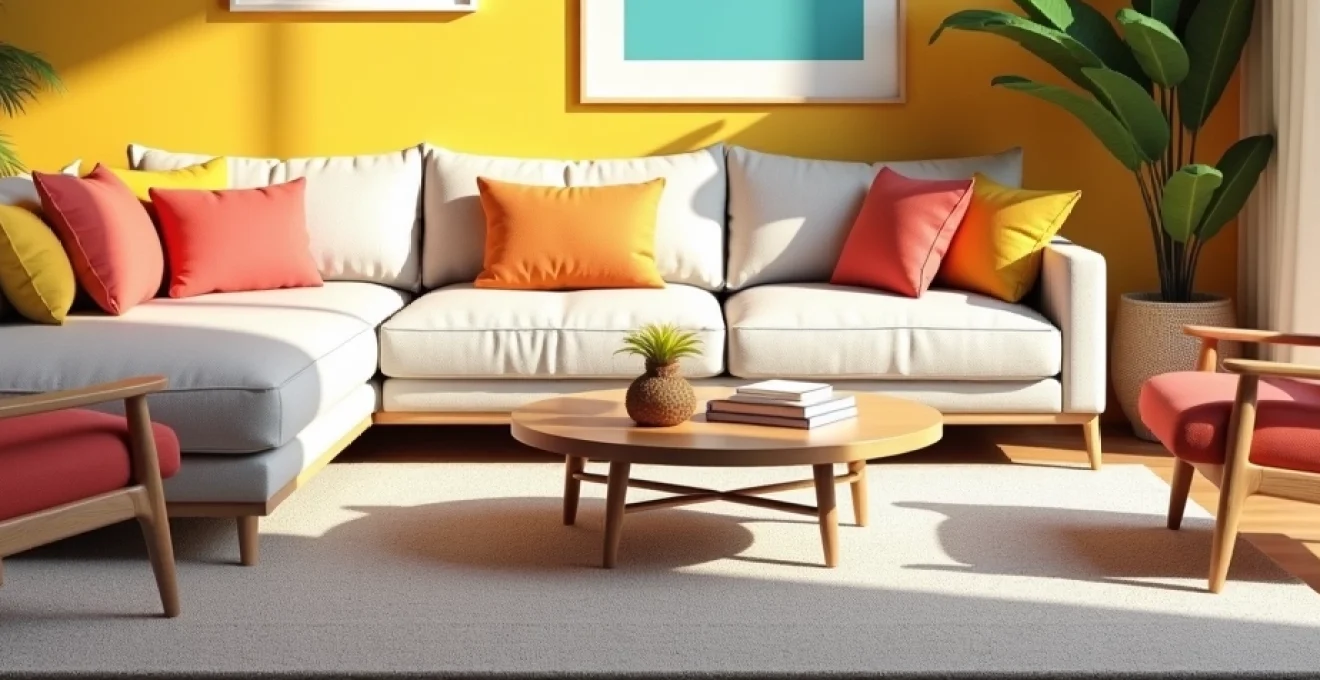
The arrival of summer brings with it an irresistible urge to transform our living spaces into vibrant, energising sanctuaries that reflect the season’s warmth and vitality. As daylight hours extend and natural light floods our homes, the opportunity to reimagine our interior environments becomes particularly compelling. Summer décor isn’t merely about swapping heavy fabrics for lighter alternatives; it’s about creating a holistic atmosphere that captures the essence of long, sun-drenched days and balmy evenings. The psychological impact of seasonal design changes extends far beyond aesthetics, influencing our mood, productivity, and overall sense of wellbeing throughout the warmer months.
Colour psychology and chromatic theory for summer interior design
Understanding the profound psychological effects of colour forms the foundation of successful summer interior design. Research in environmental psychology demonstrates that specific hues can significantly influence our emotional state, energy levels, and even physiological responses such as heart rate and blood pressure. Summer palettes typically draw from nature’s warmest offerings, incorporating the golden tones of sunlight, the azure depths of clear skies, and the vibrant greens of flourishing vegetation.
Warm-to-cool temperature transitions using analogous colour schemes
Analogous colour schemes, which utilise hues positioned adjacent to one another on the colour wheel, create harmonious transitions that mirror summer’s natural progressions. Consider how a sunset naturally flows from warm yellows through oranges to deep corals, or how ocean waters transition from turquoise shallows to deeper navy depths. These organic colour relationships can be replicated in your interior spaces to create visual flow and emotional coherence.
When implementing analogous schemes, start with a dominant colour that covers approximately 60% of your space – perhaps a warm cream or soft sage green. Your secondary colour should occupy roughly 30% of the visual field, such as through larger furniture pieces or significant textile applications. The remaining 10% becomes your accent colour, used sparingly but strategically to create visual interest and depth.
Complementary accent strategies with coral and turquoise palettes
The dynamic tension created by complementary colours – those positioned directly opposite each other on the colour wheel – can inject remarkable energy into summer interiors. The classic pairing of coral and turquoise exemplifies this principle beautifully, evoking memories of tropical seas meeting vibrant coral reefs. This combination works particularly effectively because both colours share similar saturation levels, preventing one from overwhelming the other.
To successfully incorporate complementary accents, maintain a neutral foundation and introduce these bold pairings through accessories, artwork, and textiles. A single coral cushion against a turquoise sofa, or turquoise glassware displayed against coral-painted shelving, creates visual excitement without overwhelming the senses. The key lies in achieving balance – use these high-contrast combinations sparingly to maintain sophistication whilst adding summer vitality.
Natural light amplification through strategic yellow and citrine applications
Yellow, in its various manifestations from pale butter to rich citrine, possesses unique light-reflecting properties that can dramatically enhance natural illumination within your spaces. Unlike other warm colours that absorb light, yellow’s molecular structure reflects a broader spectrum, creating the illusion of enhanced brightness even in north-facing rooms or spaces with limited natural light exposure.
Strategic yellow applications work most effectively when positioned to catch and redirect natural light sources. Consider placing yellow accessories near windows, using citrine-toned lampshades to warm artificial lighting, or incorporating yellow undertones in wall colours for subtle light enhancement. The technique works particularly well in transitional spaces such as hallways or stairwells, where natural light may be limited but movement between brighter areas requires visual continuity.
Psychological impact of saturated versus desaturated summer hues
The saturation level of your chosen colours significantly impacts their psychological effect and practical application within living spaces. Highly saturated summer colours – think vibrant orange marigolds or electric blue skies – create immediate visual impact and can energise spaces instantaneously. However, these intense hues require careful application to avoid visual fatigue or overwhelming smaller spaces.
Desaturated versions of the same hues offer greater versatility and longevity. A dusty coral provides warmth without aggression, whilst pale sage delivers the freshness of green without the intensity. These softer interpretations work particularly well as base colours, allowing you to layer more saturated accents seasonally. The psychological benefit lies in creating spaces that feel refreshing and energising without becoming visually exhausting over extended periods.
Textile selection and fabric technology for seasonal décor transformation
The transformation of living spaces for summer extends far beyond colour selection to encompass the tactile and functional properties of textiles. Modern fabric technology has revolutionised our ability to create comfortable, stylish environments that respond intelligently to seasonal temperature fluctuations and lifestyle demands. Understanding these technical aspects enables more informed decisions that balance aesthetic preferences with practical performance requirements.
Linen and cotton weave specifications for temperature regulation
Linen remains the gold standard for summer textiles due to its exceptional breathability and moisture-wicking properties. The flax fibres from which linen is produced contain natural gaps that create superior airflow compared to other natural fibres. When selecting linen for summer applications, consider the weave density – a looser weave provides better ventilation but may sacrifice durability, whilst tighter weaves offer longevity at the expense of some breathability.
Cotton alternatives deserve consideration, particularly percale weaves which create a crisp, hotel-like feel whilst maintaining excellent temperature regulation. The one-over-one-under weave pattern of percale maximises airflow whilst providing adequate thread density for durability. For upholstery applications, look for cotton canvas or duck cloth weaves that combine breathability with the structural integrity required for furniture covering.
Moisture-wicking synthetic blends in cushion and upholstery applications
Advanced synthetic blend technologies have created summer textiles that surpass natural fibres in specific performance categories. Moisture-wicking synthetics, originally developed for athletic wear, now find sophisticated applications in home textiles. These fabrics feature engineered fibre structures that draw moisture away from surfaces and facilitate rapid evaporation, preventing the sticky, uncomfortable feeling often associated with synthetic materials in warm weather.
The most successful synthetic blends combine moisture management with natural fibre aesthetics. Look for cotton-polyester blends where the synthetic component remains below 30%, maintaining natural breathability whilst adding wrinkle resistance and colour retention. For high-traffic areas such as family room seating, these blends offer practical advantages without compromising visual appeal.
Uv-resistant fabric treatments for Sun-Facing window treatments
Windows facing east, south, or west require special consideration during summer months when intense ultraviolet radiation can fade fabrics and increase indoor temperatures significantly. UV-resistant fabric treatments have evolved beyond simple chemical coatings to include engineered fibre modifications that provide inherent protection without altering texture or appearance.
When selecting window treatments for sun-exposed areas, prioritise fabrics with UPF (Ultraviolet Protection Factor) ratings of 30 or higher. These treatments block approximately 95% of harmful UV rays whilst maintaining colour vibrancy and fabric integrity over extended exposure periods. Additionally, consider fabrics with reflective properties that can redirect solar heat whilst maintaining privacy and light control.
Bamboo fibre integration in throw pillows and area rugs
Bamboo fibres offer compelling advantages for summer textiles, combining natural antimicrobial properties with exceptional softness and temperature regulation. The hollow structure of bamboo fibres creates natural insulation that keeps surfaces cool in warm weather whilst providing warmth when temperatures drop. This adaptability makes bamboo particularly suitable for transitional accessories that remain functional throughout changing seasonal conditions.
In throw pillow applications, bamboo blends provide the luxurious feel of silk whilst offering superior durability and easier maintenance. For area rugs, bamboo fibres create naturally stain-resistant surfaces that maintain their appearance despite increased summer foot traffic from outdoor activities. The sustainability aspect of bamboo also appeals to environmentally conscious consumers seeking eco-friendly design solutions.
Biophilic design elements and natural material integration
The integration of natural materials and biophilic design principles has emerged as a cornerstone of contemporary summer interior design, reflecting our innate connection to the natural world and its positive impact on psychological wellbeing. Scientific research consistently demonstrates that exposure to natural elements, even in stylised interior applications, can reduce stress hormones, improve cognitive function, and enhance overall life satisfaction. This growing body of evidence has elevated biophilic design from trend to essential practice.
Natural materials such as rattan, bamboo, jute, and reclaimed wood bring immediate summer authenticity to interior spaces. These materials possess inherent textural qualities that cannot be replicated by synthetic alternatives – the subtle variations in woven rattan, the organic grain patterns of weathered wood, or the tactile roughness of natural jute fibres. Beyond their aesthetic contributions, these materials often possess functional advantages such as natural ventilation properties, humidity regulation, and inherent durability when properly maintained.
The incorporation of living plants extends biophilic principles beyond material selection to include active natural elements that continue evolving within your spaces. Large-leaf tropical plants such as monstera deliciosa or fiddle leaf figs create dramatic focal points whilst improving indoor air quality. Smaller succulent arrangements provide low-maintenance options that thrive in sunny window locations, whilst hanging plants such as pothos or spider plants add vertical interest without consuming floor space.
Water elements, whether through small tabletop fountains, aquarium installations, or even recorded water sounds, contribute another layer to biophilic summer design. The psychological association between water and cooling creates immediate comfort, whilst the gentle sounds mask urban noise pollution and create more peaceful environments. These elements work particularly effectively in outdoor transition spaces such as covered patios or sunrooms where the boundary between interior and exterior becomes deliberately blurred.
The most successful biophilic summer interiors seamlessly blend multiple natural elements to create cohesive environments that feel organically connected to the external landscape whilst maintaining the comfort and functionality expected of interior spaces.
Lighting design fundamentals for enhanced seasonal ambiance
Summer lighting design requires a sophisticated understanding of how natural and artificial light sources interact throughout the extended daylight hours characteristic of the season. The quality and quantity of available light changes dramatically from winter to summer, necessitating adjustments to both fixture selection and placement strategies. Professional lighting designers increasingly emphasise adaptability, creating systems that can respond dynamically to seasonal variations whilst maintaining consistent aesthetic and functional performance.
LED kelvin temperature adjustments for circadian rhythm support
The colour temperature of artificial lighting, measured in Kelvin degrees, significantly impacts our circadian rhythms and overall sleep quality. During summer months when natural daylight extends well into evening hours, artificial lighting must complement rather than compete with these extended light cycles. LED technology now enables precise Kelvin temperature control, allowing homeowners to match artificial lighting to natural light conditions throughout the day.
Morning lighting should emphasise cooler temperatures around 5000-6000K to support natural wake cycles and maintain alertness. As evening approaches, transitioning to warmer temperatures around 2700-3000K helps signal the body’s natural preparation for sleep despite extended daylight exposure. Programmable LED systems can automate these transitions, creating seamless lighting environments that support healthy sleep patterns even during the longest summer days.
Pendant light positioning and lumens calculation for task areas
Task lighting requirements change significantly during summer months as activities shift toward lighter, more social functions. Dining areas may host extended outdoor-style meals, whilst reading nooks benefit from adjustable lighting that complements variable natural light conditions. Pendant lighting offers particular advantages for summer applications due to its ability to provide focused illumination without heating surrounding air through direct contact with surfaces.
Calculating appropriate lumens for summer task areas requires consideration of competing natural light sources. A dining table receiving significant daylight may require only 200-300 lumens from pendant fixtures during daytime use, but 1000-1500 lumens for evening entertainment. Dimmable pendant systems provide the flexibility necessary for these varying requirements whilst maintaining consistent aesthetic appeal.
Natural light maximisation through mirror placement and reflective surfaces
Strategic mirror placement can dramatically amplify natural light penetration throughout interior spaces, creating brighter, more expansive environments that capture summer’s abundant daylight. The key lies in understanding light reflection angles and positioning mirrors to bounce natural light into areas that might otherwise remain dim or shadowed. Large mirrors placed perpendicular to windows can redirect light deeper into rooms, whilst smaller mirrors positioned opposite light sources create multiple reflection points that eliminate dark corners.
Reflective surfaces extend beyond traditional mirrors to include polished metals, glass surfaces, and even light-coloured glossy paint finishes. Metallic accessories such as brass candlesticks, chrome hardware, or copper planters strategically positioned near light sources create additional reflection points that enhance overall brightness. The cumulative effect of multiple reflective elements can increase perceived light levels by 30-50% without requiring additional electrical lighting.
Dimmer switch technology integration for variable mood lighting
Modern dimmer switch technology has evolved far beyond simple rheostat controls to include sophisticated systems that maintain consistent colour temperature whilst adjusting brightness levels. This advancement proves particularly valuable for summer applications where lighting needs fluctuate dramatically throughout extended daylight hours. Smart dimmer systems can be programmed to respond automatically to natural light levels, maintaining consistent ambiance regardless of external conditions.
The integration of smartphone controls allows remote adjustment of lighting scenes to accommodate different summer activities – bright, energising settings for daytime gatherings, or soft, intimate levels for evening relaxation. Some advanced systems include geofencing capabilities that automatically adjust lighting based on occupancy patterns, ensuring optimal energy efficiency during summer months when homes may be frequently vacant due to outdoor activities.
Space planning and furniture arrangement methodologies
Summer space planning prioritises flexibility, airflow, and the seamless integration of indoor and outdoor living areas. Traditional furniture arrangements often prove inadequate for summer lifestyles that emphasise casual entertaining, increased foot traffic from outdoor activities, and the desire for cooling air circulation throughout living spaces. Professional space planners recommend adopting modular approaches that allow easy reconfiguration based on specific seasonal activities and weather conditions.
The concept of breathing room becomes paramount during summer months when visual and physical density can contribute to feelings of stuffiness and discomfort. This involves increasing spacing between furniture pieces by 10-15% compared to winter arrangements, creating clear pathways that facilitate air movement and reduce the psychological impact of crowding. Furniture should be positioned to encourage cross-ventilation, with seating areas arranged to benefit from natural breezes whilst maintaining conversational intimacy.
Multi-functional furniture proves invaluable for summer adaptability. Ottoman storage pieces can serve as extra seating for gatherings whilst concealing winter accessories. Nesting tables provide flexible surface options that can be separated for larger groups or consolidated to save space. Lightweight chairs that can be easily moved between indoor and outdoor spaces eliminate the need for duplicate furniture sets whilst maintaining consistent aesthetic themes.
The vertical dimension gains increased importance during summer as eye levels naturally lift toward increased light levels and outdoor views. Wall-mounted storage solutions free floor space for improved circulation whilst maintaining functionality. Tall, narrow furniture pieces such as étagères or ladder shelving create vertical interest without consuming valuable floor area needed for summer activities and improved airflow patterns.
Successful summer space planning creates environments that feel open, flexible, and naturally connected to exterior spaces whilst maintaining the comfort and functionality required for daily living activities.
Seasonal accessory curation and styling techniques
The art of seasonal accessory curation extends beyond simple object substitution to encompass a comprehensive understanding of visual weight, colour interaction, and textural layering that creates cohesive summer environments. Professional stylists approach seasonal transitions through the lens of edited maximalism – maintaining visual interest whilst reducing overall density to accommodate summer’s preference for lighter, airier aesthetics. This approach requires careful selection of accessories that provide maximum visual impact whilst maintaining the feeling of spaciousness essential to summer comfort.
Textile accessories offer the most immediate and cost-effective method for seasonal transformation. Throw pillows in lighter fabrics and summer colours can instantly refresh seating areas, whilst lightweight throws provide comfort during air-conditioned evenings without adding winter’s visual weight. The key lies in selecting accessories with sufficient visual presence to anchor design schemes whilst maintaining the appropriate seasonal lightness through colour, texture, and scale considerations.
Decorative objects should emphasise natural materials and organic forms that reinforce summer’s connection to the natural world. Coral specimens, driftwood sculptures, or collections of beach glass create immediate seasonal association whilst providing interesting textural contrasts. Ceramic vessels in earthy tones or sea-inspired glazes can hold fresh flowers or simply serve as sculptural elements that enhance summer’s organic aesthetic without overwhelming spaces with unnecessary ornamentation.
The concept of seasonal layering allows for gradual transitions that maintain year-round functionality whilst acknowledging changing preferences. Base accessories in neutral
tones remain constant throughout the year, allowing seasonal accessories to be added or removed without disrupting fundamental design harmony. This approach proves particularly valuable for accessories such as table lamps, decorative bowls, or sculptural objects that provide substantial investment value when selected thoughtfully for multi-seasonal application.
Fresh floral arrangements deserve special consideration as living accessories that embody summer’s ephemeral beauty whilst providing immediate colour and fragrance enhancement. The selection of seasonal blooms should complement existing colour schemes whilst introducing natural variations that prevent static design appearance. Consider the architectural qualities of different flower types – the bold geometry of sunflowers creates dramatic focal points, whilst delicate sweet peas add romantic softness to more structured environments.
Scent layering through carefully positioned accessories creates invisible design elements that enhance summer ambiance significantly. Reed diffusers with citrus or ocean-inspired fragrances, naturally scented candles in hurricane lanterns, or even strategically placed herb plantings contribute olfactory dimensions that complete sensory summer experiences. These scent sources should be positioned to benefit from natural air circulation patterns, allowing subtle fragrance distribution throughout living areas without overwhelming sensitive individuals.
The curation process itself requires systematic evaluation of existing accessories against summer design objectives. Items that contribute visual heaviness, dark colour dominance, or winter associations should be carefully stored, whilst pieces that enhance lightness, natural connection, or seasonal joy deserve prominent positioning. This editing process often reveals opportunities to repurpose accessories in unexpected ways – winter candlesticks might become summer planters, whilst heavy fabric accessories can be replaced with natural fibre alternatives that maintain functional utility whilst supporting seasonal aesthetic goals.
The most successful seasonal accessory curation creates environments that feel authentically summer-inspired whilst maintaining the sophistication and personal expression that make spaces truly feel like home throughout the year.
Storage solutions for off-season accessories should be integrated into the curation process, ensuring that seasonal transitions remain manageable rather than overwhelming. Dedicated storage containers, clearly labelled and easily accessible, facilitate smooth transitions whilst protecting valuable accessories during off-seasons. Consider climate-controlled storage for delicate textiles or temperature-sensitive materials, ensuring that seasonal accessories remain in optimal condition for years of successful design transitions.
Professional styling techniques emphasise the importance of anchor pieces that remain constant whilst supporting accessories change seasonally. A favourite sculptural object, meaningful artwork, or signature furniture piece provides continuity that prevents seasonal changes from feeling disjointed or temporary. These anchor elements should be selected for their ability to complement multiple colour schemes and seasonal themes whilst maintaining personal significance that transcends temporary design trends.
The final consideration in seasonal accessory curation involves maintenance and care requirements that align with summer lifestyle patterns. Accessories that require intensive cleaning, delicate handling, or frequent adjustment may prove impractical during active summer months when outdoor activities take priority. Selecting accessories that maintain their appeal with minimal intervention ensures that summer design schemes remain beautiful throughout the season whilst accommodating the relaxed maintenance preferences typical of warmer weather living.